
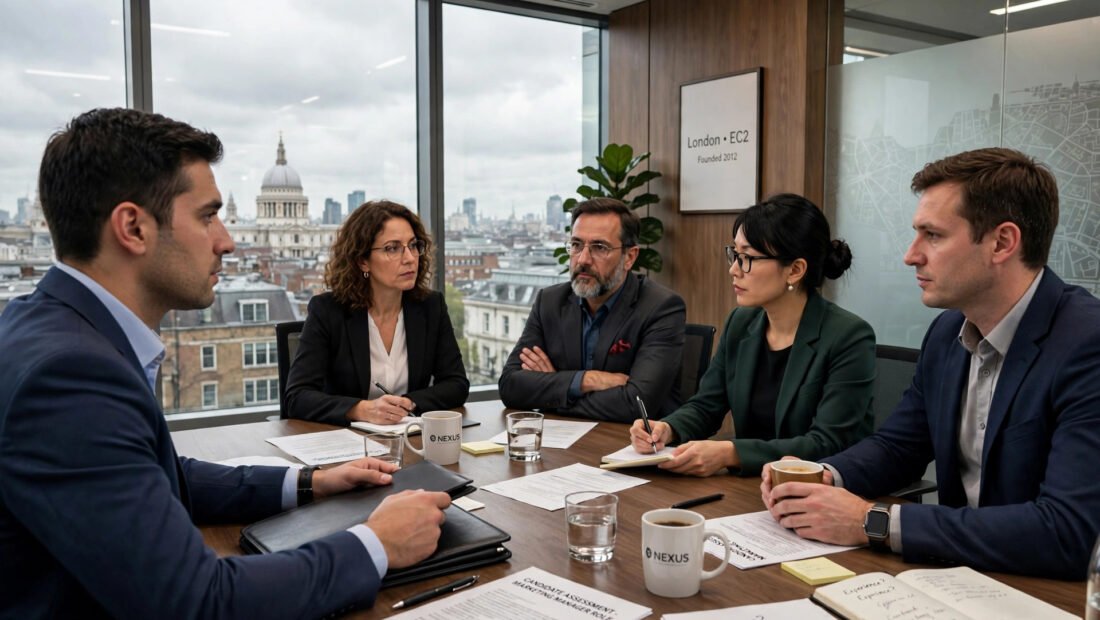
One interviewer is a conversation. Three to five is a performance — and panel interviews are increasingly the norm in London, from Civil Service boards to NHS trusts to corporate final rounds. The good news: panels are more structured and fairer than one-to-ones (decisions are less hostage to one person’s whim). The challenge: holding the room, managing multiple questioners, and not wilting under the collective gaze.
This guide prepares you properly: how panels differ, research that matters, tactics for the room, and the questions to ask them.
How Panels Differ (and Why It Helps You)
Panels typically use structured, scored questions — each interviewer assesses against criteria, often taking notes. This is good news: it rewards preparation over charm, and consistent strong answers across the panel beat dazzling one person. Decisions are usually made by consensus or scoring, which dilutes individual bias — including the “I just didn’t warm to them” rejections of unstructured interviews.
The panel usually comprises: the hiring manager (assessing can-you-do-the-job), a senior stakeholder (assessing judgement and presence), an HR representative (assessing values, motivation, and legal compliance), and sometimes a peer or technical specialist. Knowing the roles lets you weight your answers — technical depth for the specialist, business impact for the senior, values and motivation for HR.
Research: Know More Than the Job Description
Standard interview research applies doubly to panels, because questions come from more angles. Research the organisation (strategy, recent news, financials if public), the team and its challenges, and — crucially — the panellists themselves on LinkedIn: their backgrounds, how long they have been there, what they post about. Knowing the hiring manager spent five years in your target specialism lets you pitch at the right level; knowing the senior stakeholder just joined from a competitor tells you what they value.
For London specifics: factor in the commute question (panels often probe it — have a genuine answer about the journey), the salary expectations question (research London market rates for the role, not national averages), and sector context (the City, the NHS, the Civil Service and startups interview very differently — match your examples and language to the culture). And sort the basics early: what to wear to a UK interview in 2026 still matters, arguably more with five pairs of eyes.
Tactics for the Room
Eye contact choreography
Start your answer looking at the person who asked, then sweep the panel as you speak, returning to the questioner to finish. This includes everyone without staring anyone down. It feels unnatural at first; practise with friends or a mirror until it is automatic.
Names and notes
Use names when responding (“That’s a good question, Sarah — …”). Bring a notepad: jot the question down before answering (it buys thinking time and looks professional), and note any follow-ups to ask later. Panels expect notes; arriving without them looks underprepared.
Handle the dynamics
The silent note-taker is not hostile — they are scoring. The friendly one is not your ally — stay professional with everyone equally. If two panellists ask overlapping questions, answer fully once and reference it (“As I mentioned to James…”). If interrupted, yield gracefully and return to your point. If you do not know something, say so and explain how you would find out — panels respect honesty over bluffing, and bluffing in front of five experts fails fast.
Energy management
Panels run 45–90 minutes; fatigue shows. Bring water, sit forward, keep energy up for the final questions — many panels weight the close heavily. Prepare 2–3 strong questions for them (see below); “no questions” reads as disinterest to five people simultaneously.
Questions That Impress the Whole Panel
Ask questions that show you have done the thinking: “What does success look like in the first six months?” (shows you think in outcomes), “What is the biggest challenge facing the team right now?” (shows commercial awareness), “How would you describe the team culture day to day?” (shows you choose employers carefully). Avoid questions answerable from the website, and avoid salary/benefits as your opener — HR will cover it, or ask at offer stage.
Direct one question to a specific panellist where natural (“Sarah, you mentioned the transformation programme — how does this role feed into it?”) — it shows you researched them and keeps everyone engaged. End with genuine enthusiasm: panels remember the candidate who clearly wanted the job. The National Careers Service has further interview preparation resources, and Acas explains your rights through the recruitment process. For context on how applications are judged before you even reach the panel, see how recruiters feel about AI-written applications, and browse live roles on GOV.UK’s job service.
Virtual Panels: The Video Interview Variant
Many London panels now run on Teams or Zoom, which changes the dynamics. Technical setup is part of the assessment: test audio, video and connection beforehand, use a neutral background, and position the camera at eye level. Look into the camera when speaking — not at the faces on screen — to simulate eye contact; it feels odd but reads as confident.
Virtual panels have specific pitfalls: talking over people (latency makes interruptions worse — pause slightly longer than feels natural before speaking), losing energy to the screen (sit forward, gesture a little more than usual, keep your voice animated), and addressing five small faces at once (use names frequently — it compensates for the lack of physical presence). Keep notes visible but off-camera glancing minimal; one advantage of video is that your preparation notes can sit beside the screen. And have a backup plan — phone number for the recruiter, mobile hotspot ready — because tech failures handled calmly actually impress panels.
After the Panel: What Happens Next
Panels usually decide within days, not weeks — the scheduling effort means they want it resolved. If you have not heard within the stated timeframe, one polite chase email to HR is appropriate; more than that is counterproductive. If offered the role, do not accept on the spot — thank them, ask for the offer in writing with the full package, and take 24–48 hours to consider. If rejected, ask for feedback: panels give better feedback than single interviewers because the discussion was structured, and specific feedback (“your stakeholder examples were light”) is gold for the next one.
London’s market moves fast, so keep momentum: debrief yourself in writing the same day (what worked, what did not, questions you wish you had asked), and keep applying elsewhere until you have a signed offer. A panel interview is progress, not a promise.
Conclusion
Panel interviews reward preparation over performance: research the organisation and each panellist, understand the roles around the table, choreograph eye contact and names, take notes, manage your energy across the full session, and close with sharp questions and visible enthusiasm. Panels are fairer than they feel — structured scoring means your preparation counts with every single interviewer.
Frequently Asked Questions
How many people are usually on an interview panel?
Typically three to five: the hiring manager, a senior stakeholder, HR, and sometimes a peer or technical specialist. Public sector panels tend to be larger and more formal.
Should I make eye contact with everyone on the panel?
Yes — start with the questioner, sweep the panel during your answer, finish with the questioner. It includes everyone and demonstrates confidence under scrutiny.
What if I don’t know the answer to a panel question?
Say so honestly and explain your approach to finding out. Five interviewers will spot bluffing instantly; honesty with a problem-solving mindset scores better than a fumbled fabrication.
How should I follow up after a panel interview?
A brief thank-you email to the hiring manager or HR contact within 24 hours, referencing something specific from the conversation. Keep it short — panels interview many candidates and long emails blur together.


