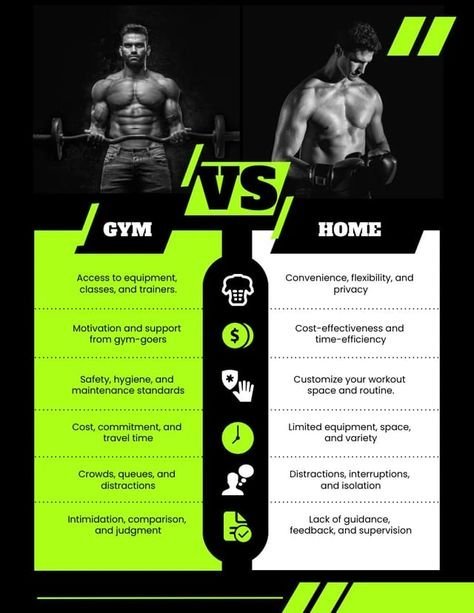
January: you join the gym, full of resolve. March: you’re paying £45 a month to walk past it. Sound familiar? If you’re asking is it worth joining a gym or should I exercise at home, the honest answer depends less on the equipment and more on your personality, your schedule, and some brutal maths.
I’ve done both for years — the commercial gym phase, the home workout era, and now a hybrid. Here’s how to decide what’s right for you.
The Maths: What a Gym Really Costs
A typical UK gym membership runs £20-60/month depending on the chain and city — PureGym and The Gym Group at the budget end (£20-35), David Lloyd at the premium end (£60+). Add joining fees, and the average member pays around £400-500 a year. Here’s the killer stat the industry knows well: most members go fewer than twice a week, and a huge proportion stop going entirely while continuing to pay. Work out your cost per visit: £40/month divided by 4 visits is £10 a session — at which point pay-as-you-go classes were cheaper.
Home workouts, by contrast, cost almost nothing ongoing: a set of dumbbells (£30-50 second-hand), a yoga mat (£15), resistance bands (£10), and free YouTube workouts. Total setup under £100, usable for years.
The Case for Joining a Gym
- Equipment you can’t replicate — squat racks, cable machines, heavy weights, rowers. If you want to lift seriously, you need a gym.
- Classes and instruction — spin, BodyPump, yoga with a real instructor correcting your form. Good for beginners who need guidance.
- Atmosphere and accountability — some people simply train harder around other people. If home means the sofa wins, the gym’s commute is a feature.
- It’s an outing — for remote workers and stay-at-home parents, the gym trip is social contact and a change of scene. See making working from home less lonely.
- Facilities — pools, saunas, creches. If you’ll use them, the value multiplies.
The Case for Exercising at Home
- Time — the biggest advantage, full stop. No commute, no changing rooms, no waiting for equipment. A 30-minute home workout takes 30 minutes; the gym version takes 90.
- Cost — essentially free after minimal setup. That £500/year stays in your pocket.
- Flexibility — 6am before the kids wake, 9pm after they’re down, 20 minutes at lunch. Home workouts fit around real life.
- No intimidation — nobody’s watching, nobody’s waiting for your machine, no mirrors if you don’t want them.
- It’s enough for most goals — general fitness, weight loss, toning, flexibility: all fully achievable at home. You only need a gym for heavy lifting or specific sports.
The Honest Decision Framework
Ask yourself three questions:
1. Will I actually go? Be brutal. If you’ve joined gyms twice and quit twice, the pattern isn’t the gym — it’s you (no shame; most people are the same). Home workouts remove the friction that killed your gym habit. But if you know you need the external structure — the class timetable, the sunk cost, the other humans — the gym’s “inefficiency” is exactly what makes it work for you.
2. What are my goals? General health, weight management, staying active? Home is fine. Serious strength training, marathon prep, learning Olympic lifts? Join a gym (or a specialist club). Match the tool to the job.
3. What’s my life like right now? New parent with unpredictable nap windows? Home wins. Living alone and craving routine? The gym’s social structure helps. Working from home and going stir-crazy? The gym trip might be as valuable as the workout.
The Hybrid Option (What Most People End Up Doing)
Here’s what actually works long-term for many: a cheap gym membership (£20-25/month, no contract) for 1-2 weekly sessions — heavy lifts, classes, swimming — plus home workouts for everything else. Or pay-as-you-go: many gyms and leisure centres offer day passes (£5-10), and council leisure centres often have excellent pay-as-you-go options. You get the equipment without the guilt of the unused direct debit.
Whatever you choose, pair it with daily movement: walking is criminally underrated. A brisk 30-minute walk most days does more for long-term health than a heroic monthly gym session. And for the nutrition side, see eating healthier without spending more.
Avoiding the Classic Traps
- The January contract — never sign a 12-month contract in January. Go monthly until the habit’s proven (3+ months of consistent use).
- The all-or-nothing home setup — you don’t need a home gym. A mat and dumbbells in the corner beat a £2,000 setup you never use.
- Programme-hopping — pick one approach and do it for 12 weeks. Consistency beats optimisation.
Home Workout Setup: What You Actually Need
Keep it minimal. The essentials: a decent exercise mat (£15-20 — thicker is kinder on knees), a set of adjustable dumbbells or 2-3 fixed pairs (£30-60 second-hand on Facebook Marketplace), and resistance bands (£10 for a set). That trio covers 90% of home training. Nice to have: a pull-up bar for a doorframe (£25), a kettlebell (£20-30), a skipping rope (£8 — the most underrated cardio tool in existence). Skip: the £1,500 treadmill (becomes a clothes horse), the ab roller of dreams, anything advertised at 2am. Total sensible setup: under £100, fits in a corner.
For programming, YouTube is genuinely excellent: channels like Fitness Blender, HASFIT and Yoga With Adriene offer structured, free programmes for every level. Pick one programme and follow it for 8-12 weeks rather than doing random videos — progression beats variety.
Getting the Most From a Gym Membership
If you do join: go at consistent times (habit beats motivation), learn the big lifts properly (one PT session for form, or reputable YouTube tutorials — bad form wastes time and injures backs), use the classes (you’re paying for them; they’re also the social bit), and track something (weights lifted, sessions per week — what gets measured gets done). Cancel the guilt, not the membership: if you haven’t gone in a month, freeze or cancel rather than donating £40 monthly to the gym’s profits. Most contracts allow freezing for injury or travel — read the terms.
And remember the free alternative hiding in plain sight: parkrun every Saturday, council leisure centre pay-as-you-go sessions, and outdoor gym equipment in many UK parks. Fitness doesn’t require a direct debit.
Whatever you choose, the NHS physical activity guidelines (150 minutes of moderate activity weekly, plus strength work twice a week) are the target to build toward.
The Practical Takeaway
Gym vs home workouts? If you’ll genuinely go 3+ times a week and want equipment or classes, the gym is worth it — go monthly, no long contract. If time, cost or convenience are the barriers, home workouts with minimal equipment deliver 90% of the benefit for 5% of the cost. The best exercise is the one you’ll still be doing in December — choose the version of you that’s honest, not aspirational.