
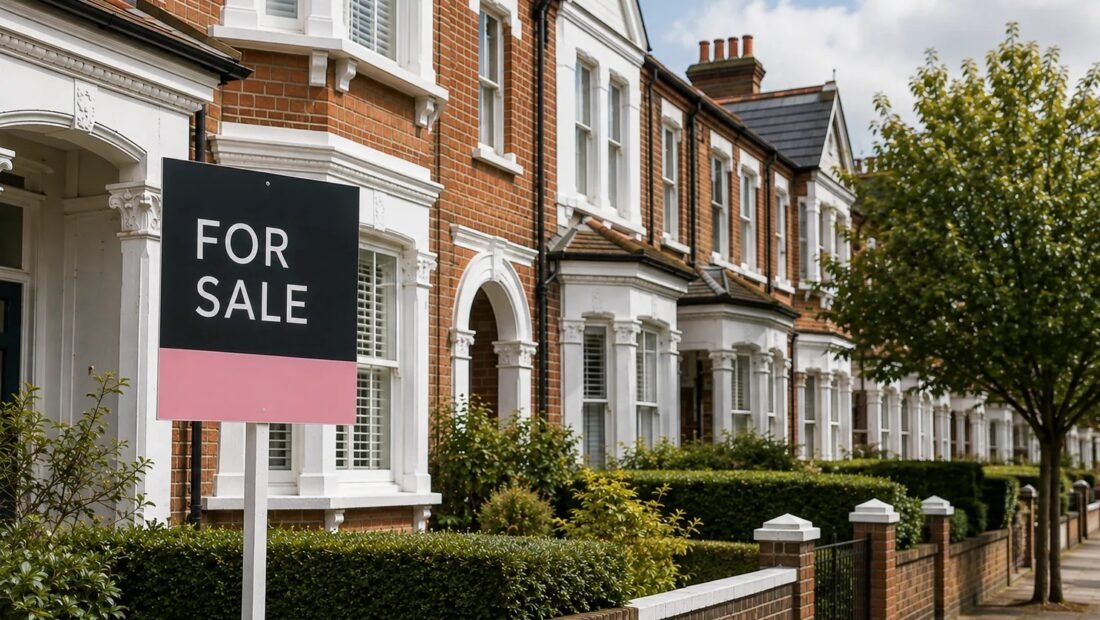
Selling a house is part property transaction, part theatre production — buyers decide with their hearts in the first minutes and justify with spreadsheets later. The right improvements before selling can add tens of thousands to your sale price; the wrong ones cost money you’ll never see again. Here’s how to add value to your home before selling in the UK, ranked by return on investment.
How to add value to your home before selling in the UK
The golden rule: know your ceiling
Every street has a price ceiling — the most anyone will pay for a house like yours there, regardless of how lovely you make it. Check sold prices (not asking prices) for comparable homes on your street and adjacent ones. If the ceiling is £300,000 and your house is worth £270,000 as-is, you have £30,000 of headroom — spend wisely within it. Spending £40,000 on a house with £30,000 of headroom is charity to the buyer.
Highest ROI improvements
- Decorate throughout (£1,000–£3,000): the single best return in home selling. Fresh neutral paint, clean carpets or floors, tidy grout — buyers can’t see past tired decor, and most won’t try. Our professional decorating guide shows how to do it properly.
- Fix everything that’s broken (£200–£1,000): dripping taps, cracked tiles, sticking doors, blown double-glazing units. Each defect is a negotiation point; a house with no visible faults feels “cared for” and commands a premium.
- Kerb appeal (£500–£3,000): front door repainted or replaced, tidy front garden, clean windows, working doorbell. Buyers form their opinion before they step inside — our front door guide covers the cheap wins.
- Kitchen refresh (£1,000–£5,000): not a full new kitchen (rarely pays back fully) — but repainted cabinets, new handles, new worktop if needed. Kitchens sell houses; tired kitchens discount them.
- Bathroom refresh (£500–£3,000): re-grout, new sealant, new toilet seat, fresh paint, good lighting. A full bathroom refit only if the existing one is truly dire.
- Garden tidy (£500–£2,000): mown, weeded, jet-washed patio, trimmed hedges. Not a full landscaping project — just order and greenery.
- EPC improvements (£200–£1,500): buyers increasingly filter by EPC. The cheap wins in our EPC guide — LEDs, draught-proofing, heating controls — cost little and remove objections.
Bigger projects: only if the maths works
- Loft conversion: adds 15–20% typically — worthwhile in high-value areas where the ceiling allows it. See our loft conversion costs.
- Extension: only if comparable extended houses on the street sell for significantly more.
- New kitchen/bathroom (full): do it for yourself years before selling and enjoy it; doing it purely for sale rarely returns 100%.
What NOT to do
- Don’t over-personalise: bold colours, quirky features and highly specific tastes narrow your buyer pool. Neutral isn’t boring — it’s sellable.
- Don’t do the “one more project”: the half-finished extension or the gutted bathroom mid-sale is a disaster. Finish everything or don’t start.
- Don’t ignore the paperwork: missing building-regulations certificates, no FENSA for windows, no gas safety records — these delay or derail sales. Gather everything before listing.
- Don’t overprice to “test the market”: the first two weeks get the most views; an overpriced listing goes stale and sells for less than a sharp initial price.
Staging: the free value-add
- Declutter ruthlessly: half-empty rooms look bigger. Box up 30–50% of your stuff (storage unit if needed).
- Depersonalise: family photos down, bold art neutralised. Buyers need to imagine their life there.
- Clean like a show home: professional deep clean (£200–£400) is money well spent.
- Light it well: every viewing with all lights on, curtains open, lamps in dark corners.
- Fix the smells: no air fresheners (buyers distrust them) — just clean, ventilated, and maybe bread in the oven if you’re feeling traditional.
The viewing: staging the lifestyle
All the improvements in the world fail if the viewing goes badly. The staging checklist:
- Timing: daylight viewings show the house best; if evenings are unavoidable, every light on, lamps in dark corners, curtains open (even at night — closed curtains signal something to hide).
- Temperature: warm but not hot — 19–20°C. A cold house feels uncared-for; a roasting one feels like the heating’s broken.
- Smell: clean, not perfumed. Fresh coffee or baking bread are clichés because they work — but one subtle scent, not a Yankee Candle shop.
- Sound: silence is fine; gentle background music is fine. Barking dogs, blaring TVs and arguing neighbours are not — manage what you can.
- Leave: the agent sells better without you hovering. Take the dog, take the kids, go for coffee. Buyers can’t imagine living there while you’re living there in front of them.
- The details: toilet seats down, beds made, bins empty, washing put away, surfaces clear. It takes 20 minutes and it’s the difference between “nice” and “wow”.
What buyers actually notice
Estate agents report the same hierarchy, viewing after viewing:
- Light and space — the overall feel, decided in seconds. Decluttering and good lighting matter more than any single feature.
- Kitchen and main bathroom — the two rooms buyers scrutinise. They don’t need to be new, but they must be clean, working and inoffensive.
- Signs of care — fresh paint, tidy garden, nothing broken. Buyers extrapolate: a cared-for surface means cared-for structure.
- Storage — open every cupboard; buyers will. Full-to-bursting storage reads as “not enough space”. Half-empty reads as “plenty of room”.
- Noise and neighbours — the things you can’t renovate. Time viewings for quiet periods if you can.
Notice what’s missing: the boiler brand, the EPC sub-scores, the exact square footage. Buyers buy the feeling — then justify it with the numbers. For the financial side of moving, MoneySavingExpert’s moving home guides cover mortgages, fees and the true cost of the move itself.
Photography: the viewing before the viewing
Buyers decide whether to view based on photos — bad photos kill good houses. The essentials: declutter before the photographer arrives (not after — the photos are the first viewing); all lights on, curtains open; shoot in daylight (twilight shots are a nice extra, not the main set); tidy the garden (the exterior shot is the thumbnail — mow, weed, hide the bins); and stage each room’s purpose (the box room with a bed in it is a bedroom; without, it’s a box room). If your agent’s photos are dark, crooked or few, say so — or hire a property photographer (£100–£200). In a market where buyers scroll hundreds of listings, photography isn’t marketing fluff; it’s the difference between 5 viewings and 25.
The takeaway
Decorate, fix, declutter, kerb appeal — £3,000–£8,000 of targeted spending typically returns multiples at sale. Respect the street’s price ceiling, don’t start projects you can’t finish, and remember: buyers buy the feeling of a well-cared-for home more than any single feature.


2 Comments