Picture the scene. It’s late, something isn’t working the way it should, and you find yourself typing “how do i price my handmade products to actually make a profit?” into your phone. We’ve all been there. The problem is that the first page of results is a mess of contradictory answers and outdated forum posts from 2019.
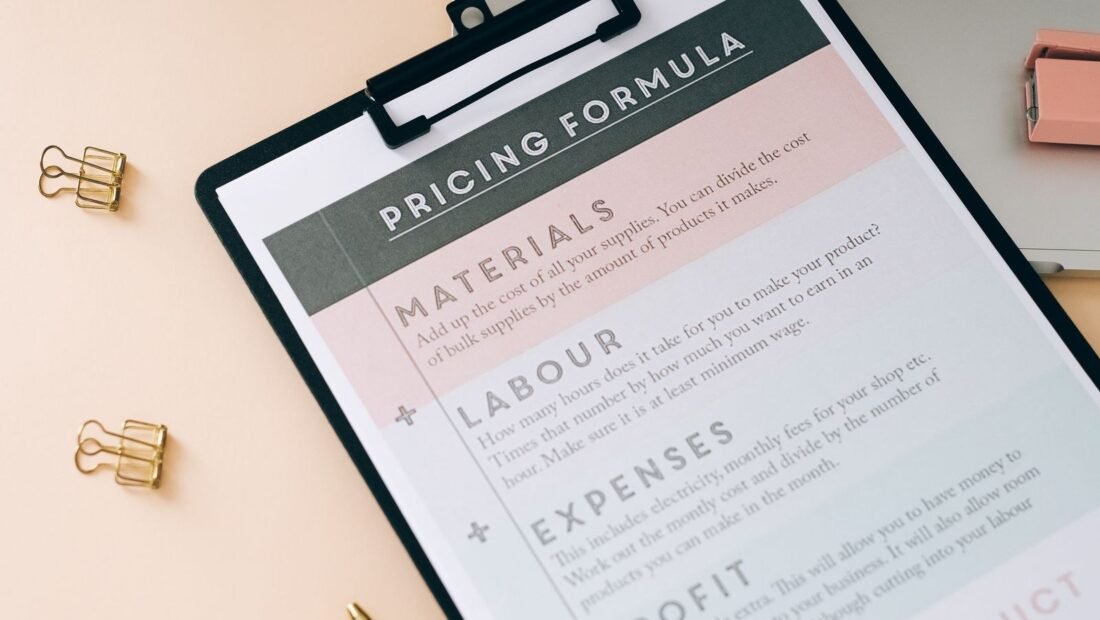
This guide is the antidote to that. I’ve pulled together the current UK picture, checked what the reliable sources actually say, and organised it so you can skim to the bit you need. Add up materials, your labour at a proper hourly rate, overheads and a profit margin. Read on and you’ll know exactly where you stand.
Fair warning: specifics like prices drift over time, so treat any figures here as a guide rather than gospel. The principles won’t go stale, but it’s always worth a quick sanity check on current numbers before you spend money.
How do i price my handmade products to actually make a profit
Cutting straight to it: Add up materials, your labour at a proper hourly rate, overheads and a profit margin. There, that’s the headline. Etsy fees take roughly 15% all in once listing, transaction and payment fees combine.
Of course the headline never tells the whole story. Your specific situation changes the maths: where you live, how much hassle you’ll tolerate, and whether you’re optimising for price, convenience or peace of mind. The sections below walk through each of those properly.
There’s no single right answer here, only trade-offs. The people who end up happiest are the ones who match the solution to their actual situation rather than chasing whatever’s fashionable. Keep your own priorities front and centre as you read on.
How this works in practice
Wholesale pricing is typically half your retail price, so build that in from the start. It sounds obvious when you read it, but this is the detail that trips people up most often. They focus on the headline question and miss the practical reality underneath it.
Then there’s this: Underpricing is the classic beginner mistake and it is hard to raise prices later. If that’s useful, our guide to Is it better to buy or lease a van for a small uk business digs into the next question you’ll probably have. Worth keeping in mind as you weigh things up, because it changes which option makes sense for you.
The practical bit: what to do about it
Enough theory. Here’s how to actually deal with it, in order:
- Etsy fees take roughly 15% all in once listing, transaction and payment fees combine.
- Wholesale pricing is typically half your retail price, so build that in from the start.
- Underpricing is the classic beginner mistake and it is hard to raise prices later.
- Track every minute and every penny for a month to find your true costs.
- Perceived value matters: good photos and packaging justify higher prices.
Follow that sequence and the whole thing becomes a minor errand rather than a saga.
Common mistakes worth avoiding
Most bad outcomes here come from the same handful of avoidable errors:
- Mixing personal and business money from day one.
- Leaving all the admin until January and then panicking.
- Track every minute and every penny for a month to find your true costs.
- Perceived value matters: good photos and packaging justify higher prices.
The part people usually skim past
It’s worth lingering on one point: Wholesale pricing is typically half your retail price, so build that in from the start. This matters more than it first appears, because it’s the detail that decides whether you’re still happy in six months or quietly regretting the choice. Plenty of guides gloss over it in a sentence; I’d rather you actually absorbed it.
Similarly: Perceived value matters: good photos and packaging justify higher prices. Put those two together and the picture gets much clearer than the headline question suggests. Your exact situation will shift the details, but the principle holds: get these two things straight and the decision practically makes itself.
A few extra nuggets worth remembering:
- Remember: Etsy fees take roughly 15% all in once listing, transaction and payment fees combine.
- Don’t forget: Underpricing is the classic beginner mistake and it is hard to raise prices later.
- And finally: Track every minute and every penny for a month to find your true costs.
If all of that sounds like a lot, don’t worry: you don’t need to memorise it. Just keep the two big points above in mind and refer back to the checklist when you’re actually making the decision.
What you’ll actually pay
Let’s talk numbers, because vague advice helps nobody. Add up materials, your labour at a proper hourly rate, overheads and a profit margin. Track every minute and every penny for a month to find your true costs.
Prices vary by region, London and the South East sit at the top end as usual, and by how urgent you are. If you can wait a week or two, you can almost always do better than the first quote. Get two or three quotes, check what’s actually included, and watch for extras that get added at the till. For independent backup on the details, the official GOV.UK guidance is worth a look.
And don’t be shy about haggling or shopping around. In the UK, a surprising number of providers will match a competitor’s quote or throw in extras if you simply ask. The worst they can say is no, and you’ll never know unless you try.
For the official line on all of this, the official GOV.UK guidance is the place to check.
A couple of questions that come up a lot:
What do most people overlook?
Track every minute and every penny for a month to find your true costs. Put simply, don’t rush it; the right choice is usually obvious once you’ve compared two or three options side by side.
How long does this usually take to sort out?
Etsy fees take roughly 15% all in once listing, transaction and payment fees combine. Honestly, most people overthink this part. Pick the sensible middle option and move on with your day.
What would you personally do here?
Wholesale pricing is typically half your retail price, so build that in from the start. Honestly, most people overthink this part. Pick the sensible middle option and move on with your day.
The bottom line: None of this is complicated once you see it laid out. Add up materials, your labour at a proper hourly rate, overheads and a profit margin, and everything else is just choosing your preferred route there. Worth a read next: Is dropshipping still profitable in the uk in 2026. Also relevant: How much should i charge per hour as a freelance graphic designer.