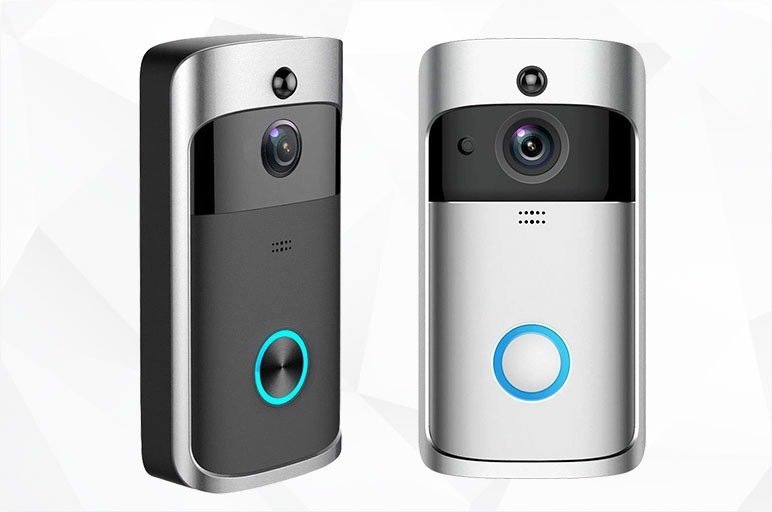
That little camera by your front door doesn’t just record — it recognises faces, detects packages and sometimes shares footage with the police. Convenient? Yes. Concerning? Also yes.
Here are the real privacy concerns with AI doorbells and cameras in the UK.
What Are the Privacy Concerns With AI Doorbells and Cameras?
The core issue is that AI doorbells turn your home into a data-collection point. Modern devices don’t just record video — they analyse it: facial recognition identifying visitors, package detection, ‘familiar face’ alerts, and sometimes audio recording of conversations on the street. In the UK, this has real legal implications: a widely reported case saw a homeowner’s use of smart cameras ruled a breach of data protection law because the cameras captured a neighbour’s property excessively. The rule is that your CCTV must be proportionate — covering your own property, not monitoring the street or neighbours’ gardens — and you may need to respond to subject access requests from people you’ve recorded. Beyond the neighbours, there’s where your footage goes: cloud-stored video on company servers, subject to the company’s privacy practices, potential breaches, and law-enforcement requests. Some manufacturers have shared footage with police without owners’ explicit consent in certain programmes — read the terms, not the adverts.
Then there’s the subtler surveillance creep. Networks of doorbells effectively create neighbourhood-wide tracking: delivery drivers, canvassers and passers-by logged by dozens of cameras. Facial recognition databases built from doorbell footage raise obvious concerns, and audio recording captures conversations people reasonably expect to be private. None of this means you shouldn’t have one — they genuinely deter parcel theft and provide evidence when things go wrong. But configure them thoughtfully: angle cameras at your own property, disable audio recording if you don’t need it, use local storage where possible instead of cloud, set sensible retention periods (days, not months), and tell visitors they’re being recorded — a small sign covers both courtesy and legal bases. Review the privacy settings yearly; companies quietly expand data collection in updates.
Some wider context
Scepticism about AI claims is a healthy default with a long pedigree. We’ve been promised revolutionary AI breakthroughs every decade since the 1960s; most arrived late, smaller than advertised, and still genuinely useful. When you hear a dramatic claim — about jobs, capabilities or timelines — ask who benefits from your belief and what the track record of similar predictions is. Calm, evidence-based expectations beat both hype and panic every time.
AI-generated video has crossed into convincing territory, which changes the trust equation for everything you watch. A clip of a public figure saying something outrageous, a ‘live’ event that never happened — healthy scepticism is now a survival skill. Check the source, look for corroboration from reputable outlets, and remember that extraordinary footage with no mainstream coverage is a red flag. Teach this to older relatives especially; they’re the most targeted.
If You’re the Neighbour
You have rights too: you can ask a neighbour what their camera captures and request they adjust it, and you can make a subject access request for your footage. If they refuse and the camera intrudes unreasonably, complain to the ICO. Most disputes resolve with a conversation and a slight camera adjustment — start there.
Hype cycles are worth recognising because AI goes through them relentlessly. Every capability gets announced as revolutionary, then quietly settles into being merely useful. The trick is to ignore both the utopian promises and the doom headlines and ask the boring question: what does this actually do for me this week? Tools that survive that question are the ones worth your time.
Voice assistants and smart speakers deserve a periodic privacy review. They only record after the wake word, but those recordings accumulate — and household members, including children, may not realise they’re being stored. Take ten minutes yearly: review and delete old recordings, check who’s in the household profile, and use the mute button during sensitive conversations. Convenience doesn’t require keeping everything forever.
Your data is the price of most free AI, so spend it consciously. Before signing up for yet another AI app, ask what it collects, how long it keeps it, and whether you can delete it. Prefer services with clear, plain-English privacy policies over those that bury the details. In the AI economy, attention to data terms is the new comparison shopping.
AI and children deserves its own thought. Kids are growing up with AI companions, homework helpers and synthetic media as background normality — which makes critical thinking about it a core parenting task, not a school-only topic. Talk about what AI is, model checking its outputs, and set boundaries around data sharing early. The children who thrive will be those taught to question the machine, not just use it.
The privacy habit to build now is simple: pause before pasting. Every AI tool has terms about data retention, and the defaults usually favour the company, not you. Check whether there’s an opt-out for training, prefer tools with clear data policies, and keep genuinely sensitive material — health details, financial data, other people’s information — out of chat boxes entirely. These habits take seconds and prevent problems that take months to fix.
There’s an environmental cost to AI that’s rarely mentioned in the marketing. Training and running large models consumes significant energy and water, and every frivolous generated image has a footprint. This doesn’t mean never using AI — the benefits are real — but it does argue for using it purposefully rather than generating a hundred variations of something you needed once. Thoughtful use is sustainable use.
Quick recap
- AI doorbells analyse footage: faces, packages, audio — not just recording.
- UK law: cameras must be proportionate; excessive neighbour capture breaches data law.
- Cloud footage is subject to company policies, breaches and police requests.
- Configure carefully: angle at your property, limit audio, short retention.
- Neighbours can request footage and complain to the ICO.
You might also want our take on What are the best free AI tools for a small UK business, plus What is an AI assistant and is it worth getting one for my home for the practical next steps.
The official guidance at BBC News technology coverage is the definitive source here.
Wrapping up
AI doorbells are useful but legally and ethically loaded in the UK: keep cameras proportionate, mind the data protection rules, configure privacy settings carefully, and remember your footage affects everyone who passes your door.