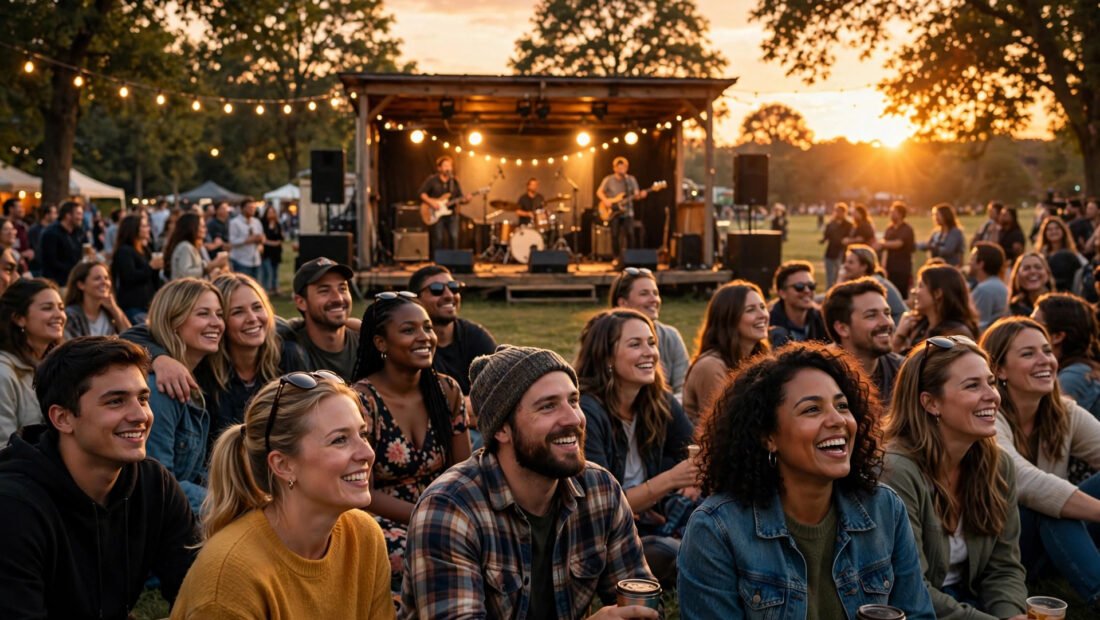
To start a music festival in the UK, you need a suitable licensed venue, at least 12–18 months of planning, and a realistic budget — small festivals (500–2,000 capacity) typically cost £50,000–£250,000 to launch. The essential steps are securing a site, obtaining a premises licence from your local council, booking acts, arranging infrastructure (staging, sound, toilets, security), and selling tickets early enough to fund the build-up.
Running a music festival is one of the most rewarding — and riskiest — event businesses. The UK festival scene is fiercely competitive, but well-run boutique and genre-specific festivals thrive by serving audiences the big players ignore. This guide explains how to start a music festival step by step, from the first idea to the final encore.
Define Your Concept and Audience
Every successful festival starts with a clear identity. Decide your genre focus (indie, electronic, folk, jazz, multi-genre), your scale (a 500-capacity boutique weekender versus a 10,000-capacity major), and your audience (families, young ravers, local community). A tight concept makes every later decision — lineup, site, marketing — easier.
Research the competition honestly. Check what’s already running in your region on your target dates, and find the gap: an underserved genre, a neglected town, or a unique angle like a food-and-music hybrid or a fully accessible festival. Your concept is your competitive edge — “another generic music festival” is a hard sell to both artists and ticket buyers.
Secure a Venue and Get Licensed
The venue makes or breaks a festival. You need enough flat land, vehicle access for production, nearby accommodation or camping space, and cooperative neighbours. Approach landowners 12–18 months out — farms, country estates, and showgrounds are classic UK festival sites. Get any agreement in writing with clear terms on dates, capacity, and responsibilities.
You’ll need a premises licence from the local council covering live music, alcohol sales, and late-night entertainment. Apply early — licensing can take months and may require committee hearings. You’ll also need to satisfy the council’s Safety Advisory Group on crowd management, medical provision, and traffic plans. Check gov.uk for guidance on entertainment licences and your legal obligations as an event organiser.
Build a Realistic Budget
Festival economics are brutal: most costs are committed months before a single ticket sells. A realistic budget for a small UK festival includes:
- Artists — typically 30–40% of budget; headliners for small festivals cost £5,000–£50,000+.
- Production — staging, sound, lighting, and power: £20,000–£80,000.
- Site infrastructure — fencing, toilets, water, waste: £15,000–£50,000.
- Security, stewards, and medical — a legal and safety necessity: £10,000–£40,000.
- Marketing — at least 10% of expected ticket revenue.
- Insurance — public liability (£5m+ cover) and event cancellation insurance are essential.
Price tickets to break even at 60–70% capacity, not 100% — weather and competition make sellouts unreliable. Build a 10–15% contingency into every line; something always costs more than expected.
Book Your Lineup
Start booking headliners 9–12 months out through reputable booking agents. Be realistic about your budget tier — agents will tell you quickly what’s achievable. Balance 2–3 recognisable headliners with strong mid-tier acts and local emerging artists, who cost little and bring their own loyal followings.
Contracts should cover fees, technical riders, hospitality, and cancellation terms. Get everything in writing and never pay deposits to unverified contacts — festival booking scams are common. Announce your lineup in phases to sustain marketing momentum, and consider genre-stage curation that gives your festival a distinctive musical identity.
Sell Tickets and Market Relentlessly
Launch an early-bird tier 6–9 months out to generate cash flow — early sales fund deposits for artists and suppliers. Use a reputable ticketing platform (Skiddle, Eventbrite, Fatsoma) and structure tiers so prices rise as the event approaches, rewarding early buyers and creating urgency.
Marketing should start the day you announce. Invest in social media content (lineup announcements, site previews, aftermovies from year one), local press and radio, and partnerships with relevant brands and community groups. Email marketing to past attendees is gold for year two onwards. Track which channels drive sales and double down — most small festivals find Instagram, TikTok, and local influencer partnerships outperform paid ads.
Deliver a Safe, Brilliant Event
In the final months, logistics dominate: detailed site plans, artist liaison schedules, vendor contracts, staff briefings, and a comprehensive event management plan covering safety, medical, security, and weather contingencies. Hire an experienced event safety consultant — it’s money extremely well spent.
On the weekend itself, communication is everything: radios for key staff, a central control point, and clear escalation procedures. Look after your crew and volunteers — fed, briefed, appreciated teams deliver better events. After the festival, settle all supplier invoices promptly, survey attendees, and start planning improvements for next year while the experience is fresh.
Frequently Asked Questions
How much does it cost to start a small music festival?
A 500–2,000 capacity UK festival typically costs £50,000–£250,000 to stage, depending on lineup, site, and production values. Most first-year festivals aim to break even rather than profit, building an audience for future editions.
What licences do I need for a music festival in the UK?
You need a premises licence from your local council for live music, alcohol, and late-night entertainment. You may also need temporary event notices for smaller elements, plus compliance with health and safety, food hygiene, and noise regulations.
How far in advance should I plan a music festival?
12–18 months minimum for a first edition. Venue booking, licensing, and headline acts all require long lead times, and you need months of ticket sales to fund the build-up.
Can a small festival actually make money?
Yes, but margins are thin and year one is usually about breaking even. Profitable small festivals control costs ruthlessly, maximise secondary spend (food, drink, merch), and build a loyal returning audience that reduces marketing costs each year.
Conclusion
Starting a music festival demands a clear concept, a licensed venue, disciplined budgeting, and relentless marketing. The risks are real — weather, competition, and thin margins — but a well-executed boutique festival can become a beloved institution and a sustainable business. Plan early, budget honestly, and never compromise on safety.