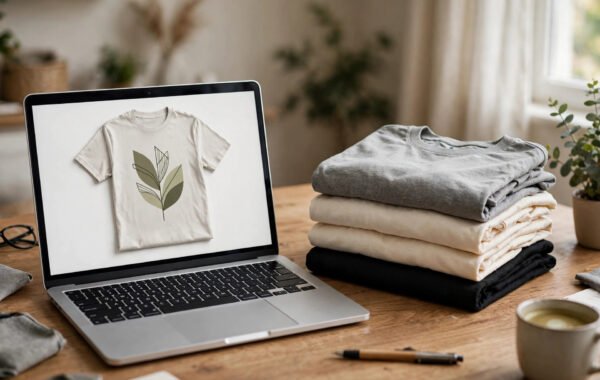
To start an online thrift store, choose a platform like Depop, Vinted, or Shopify, source quality second-hand stock from charity shops and car boot sales, and list items with clear photos and honest descriptions. Most UK sellers start with £100–£300 of stock, photograph and list 20–50 items, and make their first sales within a week or two. Success comes from consistent sourcing, fast dispatch, and building a recognisable shop identity.
Second-hand fashion is booming in the UK — resale apps have millions of British users, and sustainability-conscious shoppers actively prefer pre-loved. An online thrift store lets you turn a good eye for bargains into a genuine income stream from home. This guide walks you through starting one step by step.
Choose Your Platform
Where you sell shapes everything from fees to the customers you attract. The main UK options:
- Depop — the go-to for vintage and streetwear; strong Gen-Z audience, 10% fee on sales.
- Vinted — huge UK user base, no seller fees, best for fast turnover of high-street brands.
- eBay — largest audience and auction format; good for rarer vintage and designer pieces.
- Shopify — your own branded store (from ~£25/month); full control but you drive your own traffic.
- Instagram/TikTok Shop — sell through content; powerful if you enjoy making videos.
Most beginners start on Depop or Vinted because the buyers are already there. Once you’re making consistent sales, a Shopify store gives you a proper brand home and better margins.
Source Stock That Sells
Your profit is made when you buy, not when you sell. The best UK sourcing spots include charity shops (Oxfam, British Heart Foundation, local hospices), car boot sales, jumble sales, and wholesale vintage suppliers for larger volumes. Learn to spot quality: check labels, feel fabrics, and look up sold prices on eBay before buying.
Focus on categories with strong resale demand: vintage denim, branded sportswear, 90s and Y2K fashion, quality knitwear, and designer diffusion lines. Avoid fast-fashion basics unless they’re new with tags — the margins aren’t there. A good rule: never pay more than 25–30% of what you expect to sell an item for.
Prepare and Photograph Your Items
Presentation separates thriving thrift stores from stagnant ones. Wash or steam every item, remove lint and loose threads, and iron or press garments so they look their best. Be honest about flaws — photograph any marks and describe them; undisclosed damage leads to returns and bad reviews.
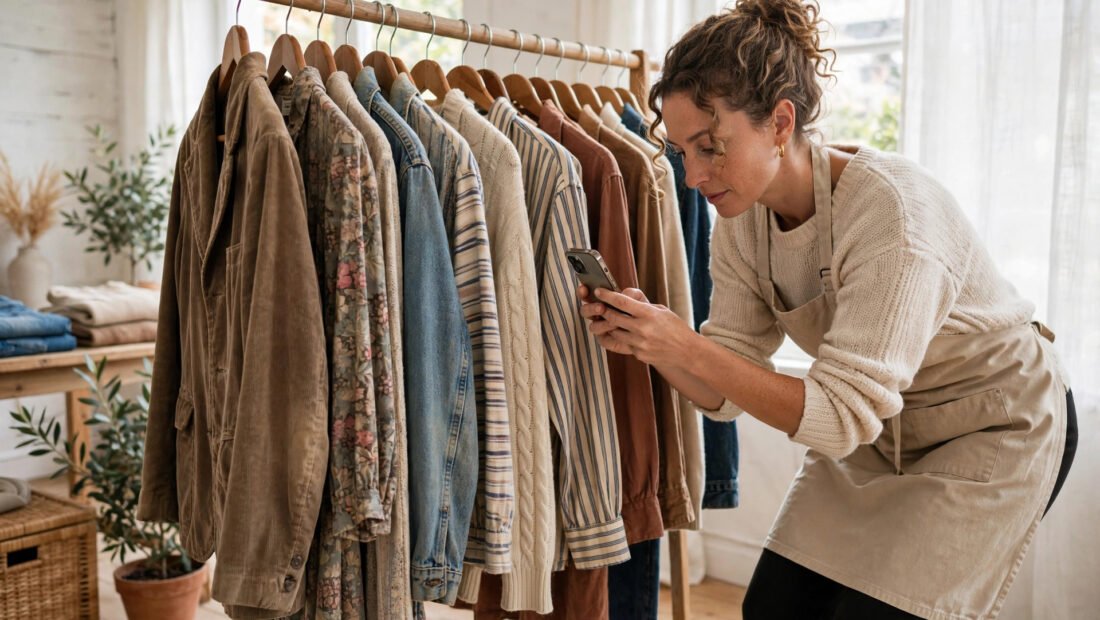
Photograph in natural daylight against a plain background. Include front, back, label, and close-ups of fabric and any flaws. Flat-lays work, but modelled or hanger shots typically sell faster because buyers can judge the fit. Consistent, bright photography across your shop builds trust and makes your store look professional.
Write Listings That Convert
A strong listing answers every question a buyer might have: brand, size (plus pit-to-pit and length measurements for vintage), condition, material, colour, and any flaws. Use keywords buyers search for — “vintage”, “Y2K”, “90s”, brand names, and style terms.
Price by checking sold listings for similar items, not just current asking prices. Build in room for offers — Depop and Vinted buyers love to haggle. Refresh stale listings every few weeks with new photos or tweaked titles, and use relevant hashtags to boost discovery. Aim to list new items regularly; active shops with fresh stock get far more profile visits.
Handle Orders Like a Professional
Dispatch within 1–2 working days — fast shipping earns five-star reviews, which drive more sales. Invest in proper packaging: tissue paper, a thank-you note, and sturdy mailers cost pennies but create a memorable unboxing. Use tracked postage for items over £20 to protect yourself.
Communicate promptly and politely with buyers, especially about measurements or condition questions. Handle returns gracefully; a flexible approach costs little and protects your rating. Keep simple records of purchases and sales from day one — once you’re earning, you’ll need to register as self-employed with HMRC, and the gov.uk website explains your tax obligations as a seller.
Grow Your Thrift Store
Once sales are steady, scale deliberately. Reinvest profits into better stock — higher-quality vintage and designer pieces carry fatter margins. Build a brand identity: a memorable shop name, consistent aesthetic, and a social media presence showing new drops and behind-the-scenes sourcing.
Consider bundling slow movers, running regular “drop” days to create urgency, and cross-listing valuable items on eBay as well as Depop. Track what sells: your best categories, average profit per item, and sell-through rate. The sellers who treat it as a business — with sourcing budgets, listing schedules, and proper accounts — are the ones who turn thrifting into real income.
Frequently Asked Questions
How much money do I need to start an online thrift store?
Most UK sellers start with £100–£300. That covers initial stock from charity shops and car boot sales, plus basic supplies like mailers and a steamer. You can start smaller — even £50 of well-chosen stock can fund your next sourcing trip.
Do I need to pay tax on thrift store income?
Yes, once your profits exceed the £1,000 trading allowance, you must register as self-employed with HMRC and file a Self Assessment return. Keep records of everything you buy and sell from the start.
What’s the best platform for selling second-hand clothes in the UK?
Depop is best for vintage and streetwear, Vinted for quick sales with no fees, and eBay for rarer or higher-value pieces. Many successful sellers use two or three platforms simultaneously.
How do I avoid fakes when sourcing branded items?
Learn the tell-tale signs for brands you sell: stitching quality, label fonts, hardware engraving, and serial numbers. When in doubt, don’t list it — selling counterfeits can get your accounts banned and is illegal under UK law.
Conclusion
Starting an online thrift store is about sharp sourcing, honest listings, and reliable service. Begin on one platform with a modest stock budget, photograph everything well, dispatch fast, and reinvest your profits. With consistency, a spare-room side hustle can grow into a thriving second-hand fashion business.