
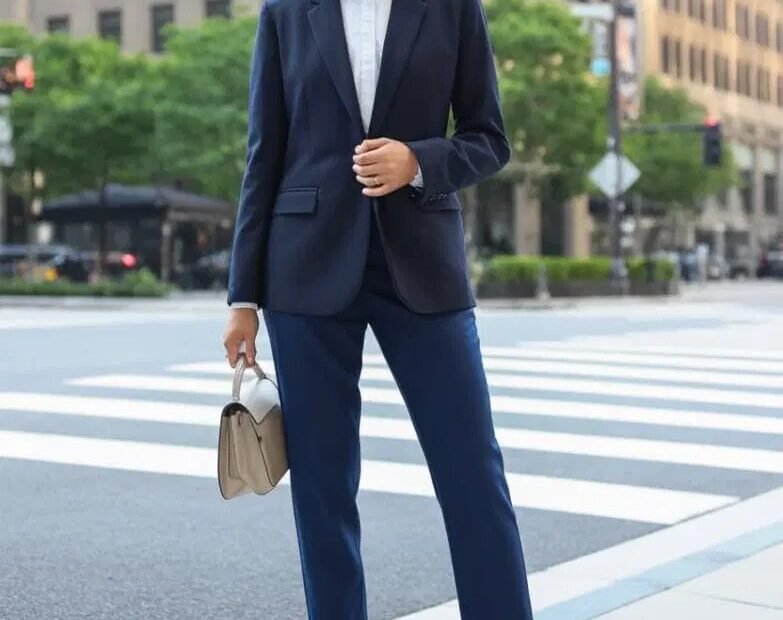
The email lands: We would like to invite you for an interview next Tuesday. Excitement, then panic: what on earth do I wear? Interview dress codes in Britain have shifted enormously, and turning up in a full suit to a tech startup can look as wrong as turning up in jeans to a bank.
Here is what should I wear to a job interview in the UK in 2026, calibrated for different industries, with the details that actually influence first impressions.
What Should i Wear to a Job Interview in the UK in 2026
The golden rule for 2026 is one notch smarter than the company’s everyday dress code, which you can usually gauge from their website, social media and the recruiter. For corporate roles (finance, law, consulting), that still means a suit or equivalent: dark, well-fitted, with polished shoes. For most office roles, smart separates work: tailored trousers or skirt, a smart shirt or blouse, a blazer, and clean smart shoes. For creative and tech roles, smart casual with personality: dark jeans or chinos, a crisp shirt or quality knit, and sharp trainers or boots. Whatever the level, clothes should be clean, pressed, well-fitted and comfortable enough that you are thinking about your answers, not your outfit.
Related reading: How do i Find Jeans That Actually Fit my Body Shape
Research the company’s dress code first
The days of defaulting to a suit are over, which makes research essential. Check the company’s website team photos, LinkedIn posts and Instagram; what people wear in their own pictures is your best guide. Ask the recruiter outright what the dress code is; this is a completely normal question and they expect it. Consider the sector: finance, law and traditional corporates still reward formality, while tech, media and startups respect smart casual with character. When genuinely unsure, err smarter; nobody ever lost a job for being slightly overdressed, but underdressing signals you did not take it seriously. For video interviews, the same rules apply from the waist up, but dress fully anyway; standing up unexpectedly in pyjama bottoms is a horror story for a reason.
The corporate interview uniform
For formal sectors, the formula is settled: a dark suit in navy or charcoal, well-fitted through the shoulders and waist, with a crisp shirt or blouse in white or light blue. Ties are increasingly optional even in finance, but if you wear one, keep it simple and knotted properly. Women can choose a suit with trousers or skirt, or a smart dress with a blazer; all are equally acceptable now. Shoes must be polished and professional: Oxfords or Derbies for men, closed-toe heels or smart flats for women. Keep jewellery, fragrance and makeup restrained; the interviewer should remember your answers, not your aftershave. Every item should be tried on the weekend before, not discovered to be tight on the morning.
- Research the dress code from the company’s own photos and the recruiter.
- Dress one notch smarter than everyday office wear.
- Try the full outfit on days before, including shoes.
- Keep grooming immaculate: hair, nails, teeth, minimal fragrance.
- Bring a smart bag or folder; carrier bags undermine the whole effort.
Worth a read: Is it Worth Investing in a Good Quality Winter Coat
Smart separates for the modern office
Most UK office interviews now sit in the smart-separates zone. Men: tailored chinos or trousers, a crisp shirt (tucked in), and a blazer or quality knit layer; clean leather shoes or smart boots. Women: tailored trousers or a midi skirt, a blouse or fine-knit top, and a blazer; loafers, ankle boots or low heels. The blazer is the hardest-working item here: it elevates everything underneath and can be removed if the room is more casual than expected. Fit and fabric matter more than formality at this level; a well-cut £60 blazer beats a saggy suit. Avoid anything too tight, too short, too revealing or too casual: no jeans (unless you are certain), no trainers, no logos, nothing you would wear to a festival.
Creative, tech and casual sectors
In creative and tech interviews, personality is part of the assessment, so dress with intention rather than defaulting to corporate. Dark, well-fitting jeans or chinos, a quality shirt, knit or smart t-shirt, and clean minimal trainers or boots strike the right note. Show you understand aesthetics through considered choices: interesting but tasteful details, good grooming, clothes that fit. What to avoid: anything sloppy, which reads as not caring, and anything costume-like, which reads as trying too hard. Even in the most casual startups, gym wear, flip-flops and slogan t-shirts are out. The test is whether you look like someone who respects the opportunity while fitting the culture; when in doubt, ask the recruiter, who will give you the honest steer.
Grooming, details and interview-day logistics
Grooming is the part people underestimate. Hair clean and neat, nails trimmed and clean, teeth brushed, fragrance minimal or absent; interview rooms are small and strong scent is memorable for the wrong reasons. Check the details the night before: buttons sewn, hems intact, no pet hair (a lint roller is a £2 interview essential), shoes polished. Plan the logistics: lay everything out the night before, allow extra travel time, and carry stain remover wipes for the inevitable coffee incident. Bring a smart bag or portfolio with copies of your CV, a notebook and a pen; turning up with documents in a plastic carrier bag undoes good work. And wear the outfit for an hour at home first; if something pinches, rides up or needs constant adjusting, you will be thinking about it instead of your answers.
Before you spend, it is worth checking Which? independent reviews for unbiased buying advice.
See also: How can i Make Cheap Clothes Look Expensive
The bottom line
For a 2026 UK interview, research the company’s dress code, then dress one notch smarter: suits for corporate, smart separates for most offices, considered casual for creative and tech. Prioritise fit, grooming and comfort over labels, and sort every detail the night before. The goal is simple: look like you belong there, so they can focus on what you say. The MoneySavingExpert guides regularly cover how to look good while spending less.


1 Comment