
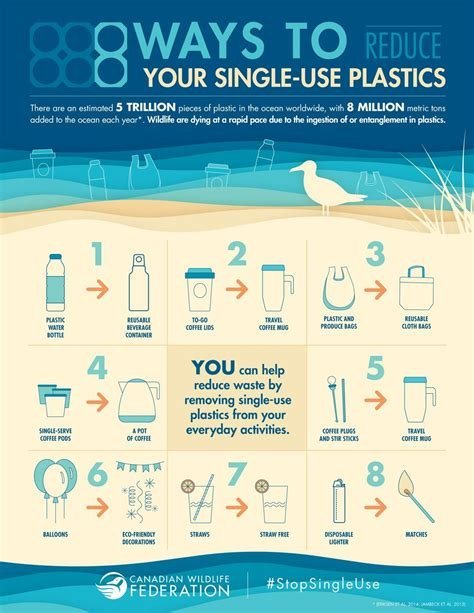
Open your bin and look: it’s mostly packaging. The UK produces millions of tonnes of plastic waste yearly, and while systemic change matters most, your daily choices genuinely add up — especially when millions of us make them. If you’re asking how can I reduce plastic waste in my daily life, here’s the practical version: no perfection, no guilt, just the swaps that make the biggest difference for the least effort.
Start With the Big Four
Most personal plastic waste comes from four sources. Fix these and you’ve done most of the work:
- 1. Shopping bags — keep reusables by the door, in the car, in your work bag. The 25p charge worked because it made us remember; make it automatic.
- 2. Water bottles — a reusable bottle (refill stations are everywhere now — the Refill app maps them) kills hundreds of single-use bottles yearly. Tap water in the UK is excellent; the BBC‘s investigations keep confirming bottled water isn’t better.
- 3. Coffee cups — takeaway cups aren’t widely recyclable (plastic lining). A reusable cup — many chains give 25-50p off — pays for itself in weeks.
- 4. Food packaging — the big one (see below). This is where the real volume lives.
Reducing Plastic in Your Food Shopping
- Loose fruit and veg — buy loose, skip the bag entirely or use reusable produce bags. Supermarkets all offer loose now; market stalls always did.
- Refill shops — zero-waste shops let you fill your own containers with pasta, rice, oils, cleaning products. Often price-competitive with supermarkets for staples.
- The milkman is back — glass-bottle milk delivery has boomed; it’s genuinely competitive on price and the empties get reused dozens of times.
- Buy bigger, not smaller — one large yoghurt pot beats eight small ones; decant at home. Same for cleaning products (concentrates + reusable spray bottles).
- Farmers’ markets and veg boxes — dramatically less packaging, often cheaper for seasonal produce, and the food’s better.
- Yellow-sticker + loose — combine our healthy-budget shopping tips with plastic-free choices; they overlap beautifully.
The Bathroom (Plastic Central)
- Soap bars over shower gel — one bar replaces 2-3 plastic bottles. Shampoo bars too (the good ones are genuinely good now).
- Bamboo toothbrushes — billions of plastic toothbrushes are thrown away yearly. Bamboo versions cost £1-2.
- Safety razor — a £20-30 metal razor with 10p blades replaces endless plastic disposables. Closer shave, less waste, cheaper within months.
- Reusable cotton rounds and cloths — replace daily disposables; wash with towels.
- Refillable deodorant and cleaning — refill stations cover these now; the packaging savings compound.
- Period products — menstrual cups (£15-25, lasts years) or reusables replace thousands of disposables. The highest-impact single swap in this list.
Around the House
- Beeswax wraps / silicone lids instead of cling film.
- Concentrated cleaning refills — tiny refills + tap water in a reusable bottle.
- Repair, don’t replace — every repaired item is packaging avoided. Repair Cafés (free, nationwide) fix electronics, clothes and more.
- Second-hand first — charity shops, Vinted, Freecycle: no new packaging, no new production.
- Say no at the till — “no bag, no straw, no cutlery thanks.” Small refusals, said millions of times, shift business behaviour.
What About Recycling?
Recycle properly — but know its limits. UK plastic recycling rates are modest, and much “recycled” plastic is downcycled or exported. So: rinse containers (dirty ones contaminate batches), check local rules (they vary by council — check yours on gov.uk), soft plastics (bread bags, wrappers) go to supermarket collection points, not kerbside, and reduce first — the hierarchy is reduce, reuse, recycle, in that order, because recycling is the least effective of the three.
Keep It Sustainable (The Irony)
The goal is a sustainable lower-plastic life, not a perfect month followed by burnout. Don’t throw away plastic items to replace them with “eco” versions — use what you have first (the greenest product is the one already made). Don’t guilt yourself over the unavoidable (medication packaging, some food safety wrapping). And don’t preach — the most persuasive thing is visibly living it well. One household’s consistent swaps influence neighbours, workplaces and shops more than any lecture. Progress, not perfection — applied for years — is what changes the numbers.
The Kitchen: Plastic’s Final Boss
Food packaging is the hardest plastic to avoid — so be strategic, not perfect: milk in glass bottles (delivery, reused ~25 times each), bread from the bakery (paper bag, better bread), loose veg + reusable bags, refill stations for dry goods and cleaning (find yours via refill apps), big yoghurt tubs not multipacks, butter in foil not tubs (foil recycles), and frozen veg (one bag vs many fresh packs, zero waste). Accept the unfixable: some things (meat hygiene wrapping, medication) need plastic for now. Focus your energy where choice exists — that’s most of the shop.
Travel and On-the-Go
Out-and-about plastic is the most visible waste: the kit — reusable bottle, coffee cup, shopping bag, and cutlery set (a £8 bamboo set lives in your bag). Refuse the extras — straws, stirrers, sauce sachets, hotel mini-toiletries (bring your own). Picnics and takeaways — bring reusables (see picnic planning); choose takeaways with cardboard packaging. Travel — a reusable bottle emptied through security then refilled airside; solid toiletries (no 100ml plastic bottles); a tote for souvenirs. None of this is hard once it’s habit — the bag just lives packed by the door.
Start with three swaps this week — the bottle, the bags, and one bathroom switch. Once those are habit, add three more. In six months you won’t recognise your bin, and you won’t have spent a fortune or lectured a soul. That’s how change actually happens: quietly, practically, and for good.
The Practical Takeaway
Reduce plastic waste by tackling the big four (bags, bottles, coffee cups, food packaging), switching bathroom disposables to reusables, buying loose and refillable, recycling what’s left properly, and — crucially — keeping it up without guilt. You won’t get to zero, and that’s fine. You’ll get to much less, and multiplied across millions of households, that’s enormous.



1 Comment