
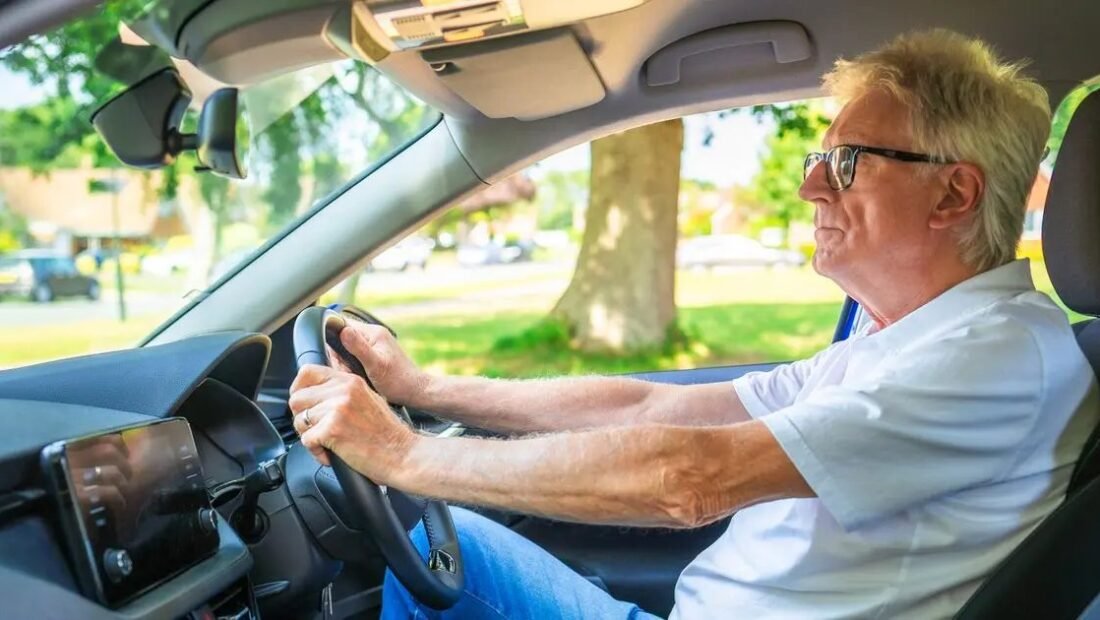
You’ve managed decades without driving — cities, trains, lifts from friends. But now something’s shifted: the kids’ activities, the ageing parents, the job just out of reach, or simply the feeling of depending on everyone else. If you’re asking is it worth learning to drive later in life in the UK, here’s the honest answer: yes, for most people — but go in with open eyes about cost, time, and the learning curve.
Why People Learn Late (You’re Not Alone)
Later-life learners are one of the fastest-growing groups at UK driving schools. Common triggers: moving somewhere with poor public transport, divorce or widowhood removing the “designated driver” partner, grandchildren to ferry, career changes requiring travel, or simply deciding it’s time. There’s no age limit for learning — the DVLA doesn’t care if you’re 25 or 75 — and instructors consistently say older learners are often better pupils: calmer, more patient, better at hazard perception, and they actually listen. The stereotype of the hopeless older learner is exactly that: a stereotype.
The Honest Costs
Budget properly — this is the part that surprises people:
- Lessons: £30-40/hour is typical now (more in London/South East). The DVSA says the average learner needs ~45 hours of lessons plus 20 hours of private practice. At £35/hour, that’s ~£1,575 in lessons alone.
- Theory test: £23. Practical test: £62 weekdays (£75 evenings/weekends).
- Provisional licence: £34 online.
- Realistic total: £1,500-2,500 all-in for most learners. Intensive courses (£1,000-2,000 for a week) suit some but overwhelm others — spaced weekly lessons generally produce better drivers.
Then there’s insurance: new drivers of any age face steep premiums — £1,000-2,000+ for the first year isn’t unusual, though older new drivers often pay less than 20-year-olds (insurers price age-related risk, and 40+ new drivers crash less than 18-year-old new drivers). Black box policies cut costs significantly. Get quotes before committing to lessons — the ongoing cost matters as much as the learning cost.
Learning as an Older Beginner: Tips That Help
- Choose the right instructor. Ask specifically about experience with older learners; patience matters more than pass rates. A calm instructor who explains the why suits adult learners best. Don’t be afraid to switch after 2-3 lessons if it’s not clicking.
- Consider automatic. No stigma anymore — automatics are the future (all new cars will be effectively automatic with the EV transition), lessons are often quicker, and removing clutch anxiety transforms the experience for nervous learners. The only downside: an auto-only licence, which matters less every year.
- Do the theory early. The theory test (hazard perception especially) rewards life experience — older learners often ace it. Pass it early so it’s not looming.
- Private practice helps enormously — if a partner or friend with 3+ years’ experience will supervise (and you can get learner insurance, ~£100-200/month), it halves the paid lessons needed.
- Space lessons weekly, not sporadically. Fortnightly gaps erode progress; weekly 1.5-2 hour sessions build steadily. Two lessons a week if the budget allows.
- Expect the plateau. Around lesson 15-25, progress feels stuck — normal for everyone. Push through; it clicks suddenly.
The Test: What to Expect
The practical test (~40 minutes) covers everyday driving, one manoeuvre, possibly an emergency stop, and ~20 minutes of independent driving (following sat nav or signs). Examiners aren’t trying to trick you — they want safe, legal, observant driving. Older learners’ advantages (caution, observation) map directly onto what examiners mark. The biggest failure cause across all ages is observation at junctions — which careful older drivers do naturally. Book through the official gov.uk site only — third-party sites charge premiums for the same booking.
Is It Worth It? The Decision Framework
Yes, if: poor transport limits your life (rural/semi-rural especially), you need it for work or caring responsibilities, you want independence from lifts and timetables, or you’ve simply always wanted to. The freedom dividend is real — learners consistently describe passing as life-changing, whatever their age. Think twice if: you live centrally with excellent transport and rarely need a car (a £2,000+ investment for occasional use rarely pays — car clubs and rentals cover the gaps), or the ongoing costs (insurance, car, fuel, maintenance) don’t fit the budget. Consider alternatives: if driving feels too much, an e-bike (£1,000-2,000, no licence needed) transforms local mobility for many older adults.
And if you’re weighing a bigger life change alongside, our guides to moving out of London and less stressful commuting pair naturally with the driving question.
After You Pass: The First Year
Passing is the beginning, not the end. The first 1,000 miles are where real learning happens — drive regularly (skills fade fast), start with familiar routes and expand gradually. Motorways aren’t covered in lessons by default; consider 1-2 Pass Plus or motorway lessons (£30-40/hour) — worth every penny for confidence. Night and rain driving — practise deliberately, not accidentally at 11pm on the M1. Green P plates — voluntary, signal “new driver,” and other drivers give you more space. Refresher lessons exist if you passed then didn’t drive for months — no shame, instructors do these weekly.
Choosing your first car: small, cheap to insure (insurance groups 1-10), and ideally with parking sensors. A £3,000-5,000 used supermini (Fiesta, Corsa, Yaris) is the classic first car for good reason. Check insurance quotes before buying — the wrong car can double your premium. And budget the real running costs: insurance, tax, MOT, servicing, fuel — typically £2,000-3,000/year all-in for a modest car.
Stories From Late Learners
What late learners say afterwards, consistently: “I wish I’d done it ten years ago.” The 52-year-old who can now visit her mum without three buses. The 45-year-old divorcee who got the job that needed a car. The 63-year-old who drives his grandkids to the beach. The fear beforehand is always bigger than the reality — instructors report older learners often pass in fewer attempts than teenagers, because they prepare properly and don’t rush. The only real regret in the late-learner community is waiting so long. If you’re on the fence, book one trial lesson. One hour, £35, no commitment — and you’ll know.
The Practical Takeaway
Learning to drive later in life in the UK costs £1,500-2,500 and takes most people 6-12 months of weekly lessons — and older learners are often better at it than they fear. Consider automatic, pick a patient instructor, do the theory early, and get insurance quotes upfront. If a car would genuinely expand your life — work, family, freedom — it’s one of the best investments you can make at any age. The best time to learn was at 17; the second-best time is now.




1 Comment