
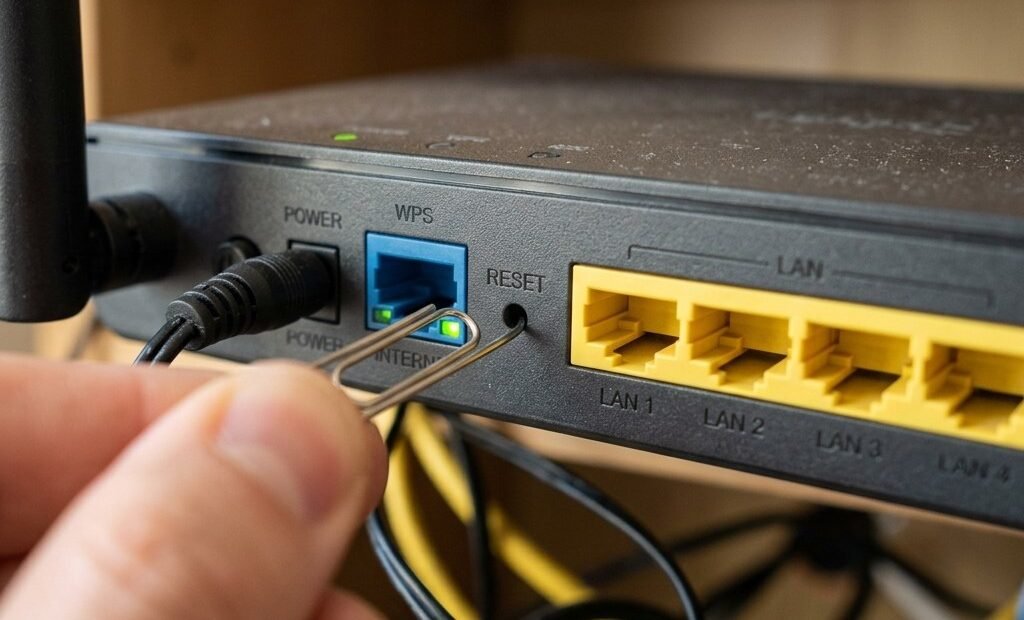
Picture the scene. It’s late, something isn’t working the way it should, and you find yourself typing “how do i reset my router without losing my broadband settings?” into your phone. We’ve all been there. The problem is that the first page of results is a mess of contradictory answers and outdated forum posts from 2019.
This guide is the antidote to that. I’ve pulled together the current UK picture, checked what the reliable sources actually say, and organised it so you can skim to the bit you need. A soft reboot, unplugging for 30 seconds, keeps all your settings intact. Read on and you’ll know exactly where you stand.
One more thing before we dive in: I’m not here to tell you what to think. I’ll lay out the options honestly, including the cases where the honest answer is ‘it depends’, so you can make your own call with decent information behind you.
How do i reset my router without losing my broadband settings
The short answer: A soft reboot, unplugging for 30 seconds, keeps all your settings intact. That single fact answers the question for most people, but the details matter if you want to avoid overpaying or choosing badly. The pinhole reset button wipes everything back to factory defaults, only use it as a last resort.
What surprises people is how much variation there is. Prices, quality and hassle all swing wildly depending on which route you take, and the cheapest option is rarely the smartest one once you factor in warranty and reliability. A little knowledge up front saves real money and irritation later.
There’s no single right answer here, only trade-offs. The people who end up happiest are the ones who match the solution to their actual situation rather than chasing whatever’s fashionable. Keep your own priorities front and centre as you read on.
The details that actually matter
Back up your router configuration from the admin page before you touch anything. It sounds obvious when you read it, but this is the detail that trips people up most often. They focus on the headline question and miss the practical reality underneath it.
Then there’s this: Take a photo of the settings pages with your phone as a quick backup. For more on a closely related topic, see our guide to Is now a good time to buy a new tv or should i wait for the sales. Worth keeping in mind as you weigh things up, because it changes which option makes sense for you.
How to handle this without the headache
Enough theory. Here’s how to actually deal with it, in order:
- The pinhole reset button wipes everything back to factory defaults, only use it as a last resort.
- Back up your router configuration from the admin page before you touch anything.
- Take a photo of the settings pages with your phone as a quick backup.
- Your broadband username and password are usually auto-configured, but keep the ISP letter handy.
- After a factory reset you will need to re-enter WiFi names, passwords and any port forwarding.
Work through those and you’re in better shape than the vast majority of people dealing with this.
Common mistakes worth avoiding
Most bad outcomes here come from the same handful of avoidable errors:
- Ignoring a software update or settings change that would have fixed it free.
- Assuming it’s a hardware fault when the real culprit is something simple.
- Your broadband username and password are usually auto-configured, but keep the ISP letter handy.
- After a factory reset you will need to re-enter WiFi names, passwords and any port forwarding.
The fine print, translated
It’s worth lingering on one point: Back up your router configuration from the admin page before you touch anything. This matters more than it first appears, because it’s the detail that decides whether you’re still happy in six months or quietly regretting the choice. Plenty of guides gloss over it in a sentence; I’d rather you actually absorbed it.
Similarly: After a factory reset you will need to re-enter WiFi names, passwords and any port forwarding. Put those two together and the picture gets much clearer than the headline question suggests. Your exact situation will shift the details, but the principle holds: get these two things straight and the decision practically makes itself.
Three quick things to keep in your back pocket while you decide:
- Remember: The pinhole reset button wipes everything back to factory defaults, only use it as a last resort.
- Don’t forget: Take a photo of the settings pages with your phone as a quick backup.
- And finally: Your broadband username and password are usually auto-configured, but keep the ISP letter handy.
If all of that sounds like a lot, don’t worry: you don’t need to memorise it. Just keep the two big points above in mind and refer back to the checklist when you’re actually making the decision.
Your options at a glance
You’ve basically got three routes here, and the right one depends on your priorities. Back up your router configuration from the admin page before you touch anything. Your broadband username and password are usually auto-configured, but keep the ISP letter handy.
Whatever you pick, the fundamentals don’t change: Take a photo of the settings pages with your phone as a quick backup. Get that right and even the budget option works out fine.
One last thought on choosing: there’s no prize for picking the cleverest option, only for picking the one you’ll actually follow through on. The best choice is usually the one that fits your life with the least friction, not the one that looks best on paper.
And if you’d like a second opinion from somewhere authoritative, Ofcom’s official consumer advice covers this well.
A couple of questions that come up a lot:
What’s the single most important thing to get right?
A soft reboot, unplugging for 30 seconds, keeps all your settings intact. Honestly, most people overthink this part. Pick the sensible middle option and move on with your day.
What do most people overlook?
Your broadband username and password are usually auto-configured, but keep the ISP letter handy. In practice, that means doing a little homework now to save yourself real grief later.
Is the cheapest option ever the right one?
After a factory reset you will need to re-enter WiFi names, passwords and any port forwarding. In practice, that means doing a little homework now to save yourself real grief later.
The bottom line: If I had to boil it down to one sentence: A soft reboot, unplugging for 30 seconds, keeps all your settings intact, so start there and don’t overthink the rest. Related reading: our guide to How do i connect my phone to my car using bluetooth. Also relevant: What should i do if my phone gets wet in the rain.


