
Fast fashion made trendy clothes cheaper than a takeaway, and Britain bought it enthusiastically. But behind the £5 dress are questions that have become impossible to ignore: mountains of textile waste, exploited garment workers, and a throwaway culture that has normalised wearing something twice.
So is fast fashion really that bad and what are the alternatives? The honest answer is nuanced: the industry’s harms are real and documented, but the solutions are more practical than puritanical.
Is Fast Fashion Really That Bad and What are the Alternatives
Yes, fast fashion’s environmental and human costs are genuinely severe: the fashion industry accounts for around 10% of global carbon emissions, textile waste is enormous with the UK binning hundreds of thousands of tonnes of clothing yearly, and garment workers in producing countries are routinely underpaid. But the answer is not hair-shirt puritanism; it is buying less, buying better, wearing longer, and embracing second-hand. Alternatives include investing in quality high-street and mid-range brands, the thriving UK second-hand market (charity shops, Vinted, eBay), clothing rental for occasion wear, and repair and alteration to extend garment life.
Related reading: How do i Find Good Quality Second Hand Clothes Online in the UK
The real harms, without exaggeration
Environmentally, fashion is among the most polluting industries: vast water use for cotton, microplastic shedding from synthetics with every wash, chemical dyeing polluting rivers, and mountains of discarded clothing, much of it barely worn. The UK sends around 350,000 tonnes of clothing to landfill each year. Humanly, the picture is darker: the 2013 Rana Plaza collapse killed over 1,100 garment workers making clothes for Western brands, and despite reforms, low wages, unsafe conditions and union suppression persist in major producing countries. Ultra-fast-fashion brands have intensified the model, producing thousands of new styles weekly and normalising prices that cannot possibly reflect fair labour. These are documented facts, not activist hyperbole, and they implicate the business model itself, not just a few bad actors.
Why it is complicated
Honesty requires the counterpoints. Fast fashion employs millions, many of them women, in countries where garment work, however imperfect, may beat the alternatives; boycotts without nuance can harm the workers they aim to help. Affordable clothing genuinely matters for low-income families; sustainable fashion at premium prices is a privilege position. And individual consumer choices, while meaningful, cannot substitute for regulation of supply chains and waste. The most thoughtful critics target the system: the speed, the volume, the disposability, rather than shaming individuals for shopping at Primark. Keep this complexity in mind; it leads to better solutions than guilt.
- Buy less and wear longer; the greenest garment is the one already owned.
- Choose quality high-street and mid-range brands over ultra-fast fashion.
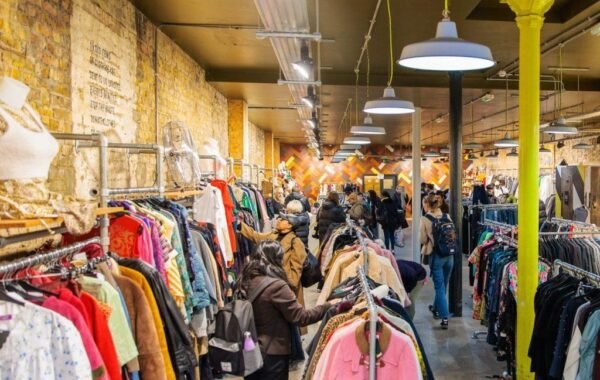
- Embrace second-hand: charity shops, Vinted and eBay are treasure troves.
- Rent occasion wear instead of buying dresses worn once.
- Repair, alter and care for clothes to multiply their lifespan.
Worth a read: What are the Best Charity Shops for Designer Finds in London
The practical alternatives
Start with the simplest: buy less and wear what you own more. The average Briton wears a fraction of their wardrobe; a conscious pause on buying reveals how much you already have. When you do buy new, favour brands with credible sustainability commitments and transparent supply chains; the high street’s better players now publish supplier lists and use certified materials. Second-hand is the true alternative economy: charity shops, Vinted, Depop and eBay offer everything from basics to designer at fractions of retail, and pre-loved is inherently sustainable. Clothing rental services now cover everything from designer dresses to everyday workwear, ideal for occasion pieces worn once. And learn basic repair: sewing a button, mending a hem and depilling knitwear are easy skills that double garment lifespans.
Building a slower wardrobe
Transition gradually rather than purging guiltily; throwing away fast fashion to buy sustainable replacements creates the same waste. Adopt the cost-per-wear mindset: a £120 coat worn for years beats five £30 coats. Build a capsule-style core of versatile pieces in a cohesive palette, which naturally reduces impulse buying. Set personal rules that work for you: a one-in-one-out policy, a 30-day wishlist wait before purchases, or a yearly clothing budget. Care for what you own properly: wash less, wash cold, air dry, and store well; most garment damage comes from laundry, not wearing. These habits compound: within a year, your wardrobe shrinks, your style sharpens, and your spending often falls too.
What actually moves the needle systemically
Individual action matters, but the biggest levers are collective. Support regulation: the EU is moving on textile waste and due diligence, and UK campaigners push for similar extended producer responsibility schemes making brands fund collection and recycling. Buy from brands that publish their suppliers and submit to independent audits; transparency is the precondition for accountability. Use your voice: customer pressure has genuinely shifted brand policies on fur, exotic skins and some labour practices. Donate and recycle textiles properly rather than binning; charity shops, textile banks and retailer take-back schemes keep fibres in use. And talk about it normally, not preachily; the goal is making slower fashion aspirational, because culture shifts markets faster than lectures.
Talking about fast fashion without the lecture
Nobody ever changed their shopping habits because a friend made them feel guilty. If this topic matters to you, model the alternative visibly: wear your second-hand finds proudly, share your best charity shop scores, and frame slower fashion as the smarter, more stylish choice rather than a moral sacrifice. People copy what looks good.
For the wider retail picture, see BBC News business coverage.
See also: How can i Make an Old Outfit Look New for a Night Out
The bottom line
Fast fashion’s environmental and human harms are real and serious, but the response is practical, not puritanical: buy less, buy better, wear longer, go second-hand, rent the occasional, and repair what you own. Pair personal habits with support for systemic regulation. You do not need a perfect wardrobe overnight; you need a better direction, sustained. Before you spend, it is worth checking Which? independent reviews for unbiased buying advice.


2 Comments