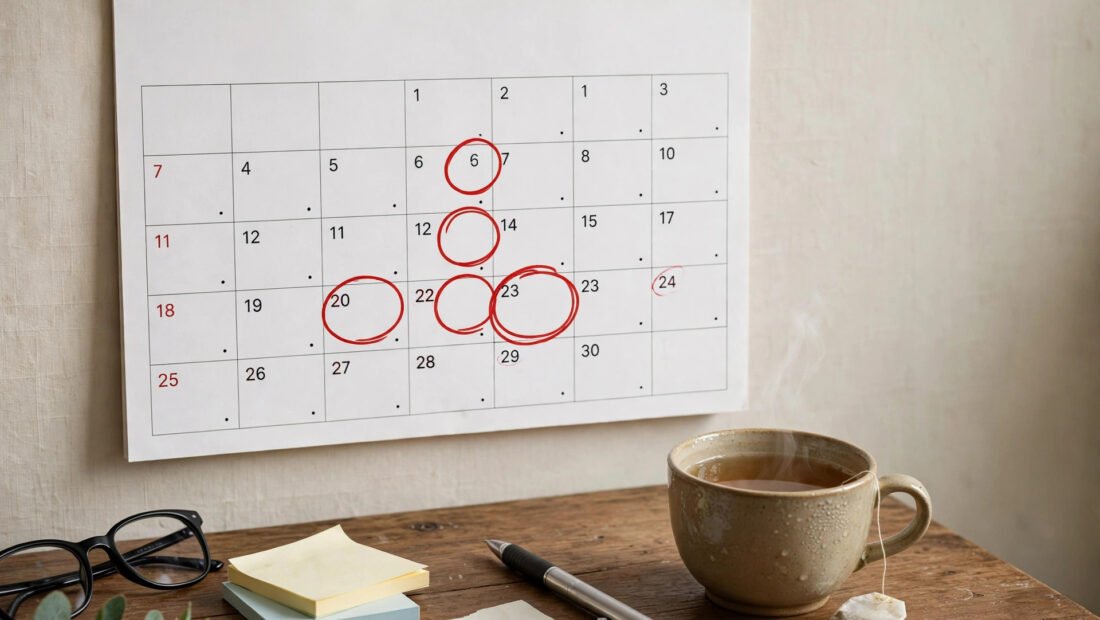
There’s a special shame in the 11pm “oh no” — the birthday you forgot, the anniversary ambush, the frantic petrol-station card. If you’re asking what is the best way to remember birthdays and anniversaries, the answer isn’t “try harder to remember.” Human memory is terrible at dates. The answer is a system that remembers for you.
Here’s the foolproof setup: capture once, remind automatically, act early. Set it up in an afternoon; never feel that shame again.
Step 1: Capture Every Date in One Place
Right now, your dates are scattered: some in your head, some on Facebook, some your mum mentioned once. Consolidate them into one list — your phone’s contacts or calendar. Go through methodically: immediate family, extended family, close friends, important colleagues, your own anniversary (yes, really — people forget their own). For each person, add the date to their contact entry — on iPhone and Android, contacts support birthday fields that automatically appear in your calendar each year. One afternoon of admin, permanent peace of mind.
Pro tip: while capturing, note the year too where relevant — milestone birthdays (18, 21, 30, 40, 50…) deserve more planning, and knowing one’s coming avoids the “oh, it’s a BIG one” panic.
Step 2: Set Up Layered Reminders
A single day-of reminder is useless — by then it’s too late to buy anything decent. Set three reminders per important date:
- 2 weeks before: “buy card and gift for X” — time to order online or shop properly.
- 3 days before: “card for X — write and post/schedule” — the safety net.
- Day of: “wish X happy birthday” — the actual message or call.
For partners and parents, add a 1-month reminder for bigger planning (restaurant bookings, party organising — see planning a birthday party). Google Calendar, Apple Reminders, or apps like Birthday Reminder all handle recurring yearly alerts. The key: reminders must be actionable (“buy card”), not just informational (“Dave’s birthday”) — vague reminders get snoozed into oblivion.
Step 3: Build a Card and Gift Station
The reason people miss dates is rarely forgetting the date — it’s the faff of acting on it. Remove the faff: keep a small stock of blank cards (a multipack of nice blank cards covers every occasion), stamps, and a list of each person’s gift ideas (maintain it year-round — when someone mentions wanting something in March, note it for their November birthday). Online card services (Moonpig, Funky Pigeon) let you schedule cards weeks ahead — set it and forget it, literally.
For gift ideas under pressure, keep a mental file of reliable standbys: book tokens, nice chocolate, a plant, a donation to their favourite charity, an experience (see celebrating anniversaries at home for romantic options). Thoughtful beats expensive, always — but thoughtful requires time, which is why the reminders matter.
The Anniversary Special Case
Anniversaries carry extra weight because forgetting feels like not caring. Beyond the reminder system: plan something, even small — the same restaurant each year becomes a tradition, which is more romantic than grand one-off gestures. Write the card properly — a few genuine sentences beat a £50 gift with “love from me.” And don’t rely on your partner to remind you — that’s not their job, and testing them is a game nobody wins.
What If You’ve Already Forgotten?
Damage control: today — call, don’t text. A voice saying “I’m so sorry, happy birthday, I feel awful” beats a belated text with too many emojis. Send a gift or card immediately — late acknowledgment beats silence. Don’t over-explain or make excuses; own it briefly and move on. Then add the triple-reminder system so it never happens again. Most people forgive a forgotten birthday; they don’t forgive a pattern.
Teaching Kids the System
Model it early: a family calendar on the wall where everyone adds dates, kids making cards (which buys you forgiveness for everything), and involving them in choosing gifts. Children who grow up seeing birthdays handled thoughtfully tend to become thoughtful adults — and the wall calendar doubles as family organisation.
Going Beyond: Making Dates Meaningful, Not Just Remembered
Remembering the date is the baseline; making it matter is the art. A few upgrades that cost little: the annual tradition — same restaurant every anniversary, same walk every birthday. Traditions compound in meaning yearly and remove planning stress. The handwritten letter — once a year, for your partner or parent, a proper letter about the year. People keep these forever; they keep nothing else. The experience over the object — theatre tickets, a cooking class together, a weekend away. Experiences beat objects for happiness, and they give you the memory twice (anticipation + the day). The milestone plan — for 30ths, 40ths, 50ths, start planning 3-6 months out: venue, guest list, the surprise element. Milestones deserve the effort, and the photos last decades.
Digital Tools Worth Setting Up
- Google Calendar / Apple Calendar — recurring yearly events with multiple alerts. Free, reliable, syncs everywhere.
- Moonpig / Funky Pigeon — schedule cards weeks or months ahead; they’ll print and post on the date. Genuinely set-and-forget.
- Amazon wish lists — family wish lists eliminate gift-guessing forever. Share yours, ask for theirs.
- Shared family calendar — one Google calendar the whole family subscribes to. No more “you never told me.”
- Gift-tracking notes — a phone note per person: sizes, interests, things they’ve mentioned. Update year-round; consult in December.
Total setup time: one Sunday afternoon. Total annual maintenance: minutes. Total birthdays forgotten: zero. For the celebration itself, see celebrating anniversaries at home and birthday party planning.
The card station
Remembering the date is only half the battle; the other half is having a card ready before the last posting date sneaks past. Set up a small card station: a box with a dozen blank cards, stamps, and a list of dates stuck inside the lid. When a reminder pings a week before, you write the card immediately instead of adding “buy card” to a to-do list that never happens. Buy stamps in books so you are never short, and check Royal Mail’s last posting dates before Christmas and other busy periods. This one drawer turns you from the person who sends belated texts into the person whose card arrives on time, every time.
What to do when you forget anyway
It will happen despite the systems, so have a recovery plan. A same-day e-card or a heartfelt voice note beats a late physical card that arrives a week after; speed matters more than format once you have missed the day. Be honest and brief, “I am so sorry I missed it, you deserve better than a belated message,” then follow up properly within the week, a call, a small gift, a lunch invitation. People forgive forgetfulness far more readily than they forgive silence, so never let embarrassment turn one missed birthday into a month of avoidance. And add the date to your system immediately while the guilt is fresh; that is when the lesson sticks.
For keeping costs down, MoneySavingExpert’s guides to cheap cards and gifts are full of ways to make occasions special without overspending.
The Practical Takeaway
The best way to remember birthdays and anniversaries: capture every date in your phone contacts once, set three layered reminders (2 weeks, 3 days, day-of), keep blank cards and stamps in stock, and maintain a year-round gift-ideas list. An afternoon of setup buys you a lifetime of never feeling that 11pm shame again. Your relationships are worth the admin.