
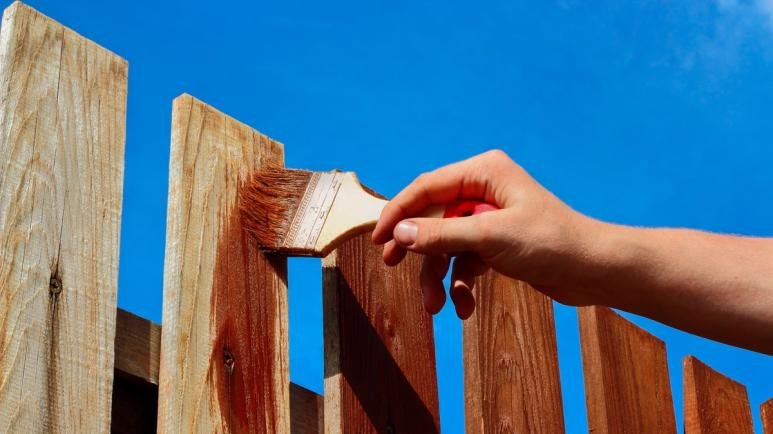
British weather is a torture test for fence paint: driving rain, freeze-thaw cycles, summer UV, and algae that colonises anything left damp. The wrong product peels within a year; the right one lasts five. And there’s a genuine difference between the £8 tub and the £30 tub — this is one area where cheap paint is genuinely false economy. Here’s the best fence paint for UK weather.
The best fence paint for UK weather
The short answer
For most fences: a quality water-based fence and shed paint from Ronseal, Cuprinol or Johnstone’s. Ronseal One Coat Fence Life and Cuprinol Garden Shades are the two market leaders for good reason — both are showerproof in an hour (crucial in Britain), fade-resistant, and last 3–5 years per coat. Johnstone’s Woodcare is the decorator’s quiet favourite for longevity.
Fence paint vs wood stain vs preservative: what’s the difference?
- Fence paint (e.g. Cuprinol Garden Shades): opaque colour, hides the wood grain, biggest colour range. Best for transforming tired fences. Lasts 3–5 years.
- Wood stain (e.g. Ronseal Ultimate Protection Decking Stain): semi-transparent, shows grain, soaks in rather than sitting on top. Better for quality timber you want to showcase. Lasts 3–6 years.
- Wood preservative: protects against rot and insect attack but offers minimal weatherproofing or colour. Use as a base coat on new untreated wood, then paint or stain over it.
- Creosote substitute / creocote: the old-school oil-based option. Effective but smelly, limited colours, and increasingly restricted. The water-based modern products have caught up on performance.
What to buy (by situation)
- Tired grey fence, want a transformation: Cuprinol Garden Shades or Ronseal One Coat — opaque, huge colour range, one-coat coverage on most fences.
- New pressure-treated fence: wait 3–6 months for it to weather (paint won’t adhere to fresh treatment), then stain or paint. Or leave it — pressure-treated timber lasts years untreated, it just goes silver-grey.
- Maximum longevity: Johnstone’s or Sadolin wood stain — the trade favourites, 5+ years when applied properly.
- On a budget: own-brand water-based fence paint (£8–£12 for 5L) is fine, but expect to recoat in 2 years rather than 4. For a large fence the labour dwarfs the paint cost — buy the good stuff.
Application: how the pros do it
- Pick your weather: dry, overcast, 10–20°C, no rain for 4+ hours after. Hot sun dries paint too fast (poor adhesion); cold slows curing.
- Prep: brush off loose dirt, algae and flaking old paint with a stiff brush. Treat green algae with a fungicidal wash — painting over algae guarantees peeling.
- Sprayer vs brush: a pump sprayer (£25–£40) covers a fence 5x faster than a brush — but back-brush after spraying to work paint into the grain. Mask anything you don’t want speckled (spray drift is real).
- Two coats on bare or badly weathered wood; one coat suffices for maintenance recoats.
- Do both sides if you can — fences rot from the unpainted side first. (Yes, this means talking to the neighbours. Bring biscuits.)
How much paint do you need?
A 5L tub covers ~25–30m² (one coat on rough-sawn fence panels — smooth planed timber goes further). Measure your fence run, multiply by height, double for both sides, and add 10%. A typical 15m fence needs 10–15L for two coats.
Colour advice
Dark colours (charcoal, dark green, black) make planting pop and look contemporary — the current fashion for good reason. But they show dust and fade faster in strong sun. Natural wood tones suit traditional gardens. Whatever you choose, test a pot on a hidden panel first — colours look dramatically different at fence scale in natural light.
A freshly painted fence transforms the whole garden backdrop — pair it with the other high-impact garden jobs in our landscaping cost guide, and if the shed needs the same treatment, our shed guide covers products that work on both.
Spraying vs brushing: the real comparison
- Pump sprayer (£25–£40): 5x faster than brushing — a 15m fence in an hour. The trade-offs: overspray (mask everything within 3m, warn the neighbours, don’t spray on windy days), higher paint consumption (20–30% more), and the need to back-brush for adhesion on rough timber. Worth it for long fences.
- Brush (£8–£15 for a good fence brush): slower but more controlled, better paint economy, works the paint into the grain properly. Better for short runs, intricate trellis, and windy days.
- The pro combo: spray the long runs, back-brush immediately, then cut in posts and edges by brush. Fast and thorough.
Whichever method: two people make it dramatically faster (one sprays, one back-brushes), and a dust sheet along the base protects patios and planting. Which? tests fence paints and sprayers — the performance gap between the best and worst products is the difference between 5 years and 18 months.
When to replace instead of repaint
Paint can’t save a dying fence. Replace when:
- Posts are rotten at ground level — poke with a screwdriver; if it sinks in, the post is done. (You can sometimes replace just the posts with concrete spurs, £15–£25 each, saving the panels.)
- Panels are warped, split or missing slats — a painted broken fence is still a broken fence.
- The fence leans significantly — re-setting a leaning fence is false economy; the posts have failed.
- It’s been patched repeatedly — three repairs deep, replacement is cheaper than a fourth.
A new closeboard fence runs £80–£150 per metre installed (less DIY). If you’re replacing, consider concrete posts and gravel boards — they outlast timber posts 3-to-1 and eliminate the ground-level rot that kills most fences.
Gates: the moving parts need love too
Fences get painted; gates get forgotten — and they’re the first thing to fail. The gate checklist: paint all six sides of the gate (top and bottom edges included — end grain absorbs water fastest); check the hinges annually (a dropping gate strains the post — adjustable hinges, £8–£15, fix most sagging); oil the latch and hinges (a squirt of WD-40 or 3-in-1 twice a year); and clear ground clearance (gates need 50mm+ above ground — soil piled against the bottom rots it in a season). A well-kept gate lasts as long as the fence; a neglected one fails in five years and takes the post with it. When painting the fence, the gate gets two coats minimum — it takes 10x the weathering of any panel.
The takeaway
Ronseal, Cuprinol or Johnstone’s water-based fence paint, applied to clean dry wood in decent weather, two coats on bare timber. The paint is the cheap part — the preparation and the labour are the investment. Do it properly and you won’t think about the fence again for five years.


