
We’ve all stood in front of the fridge, sniffed something dubiously, and wondered: is it actually safe to eat food past its use-by date? The answer could save you money or save you from a miserable 48 hours — because use-by and best-before mean completely different things, and most of us were never properly taught the difference. I used to bin anything a day over; now I waste a fraction of the food I used to, without taking silly risks. Here’s the full picture.
Use-By vs Best-Before: Can You Eat Food Past Its Use-by Date?
This is the single most important thing in this article. Use-by dates are about safety. They’re found on perishable foods — cooked meats, dairy, ready meals, pre-packed sandwiches — and eating them after the date risks food poisoning, even if they look and smell fine. Dangerous bacteria like listeria don’t always announce themselves with a bad smell.
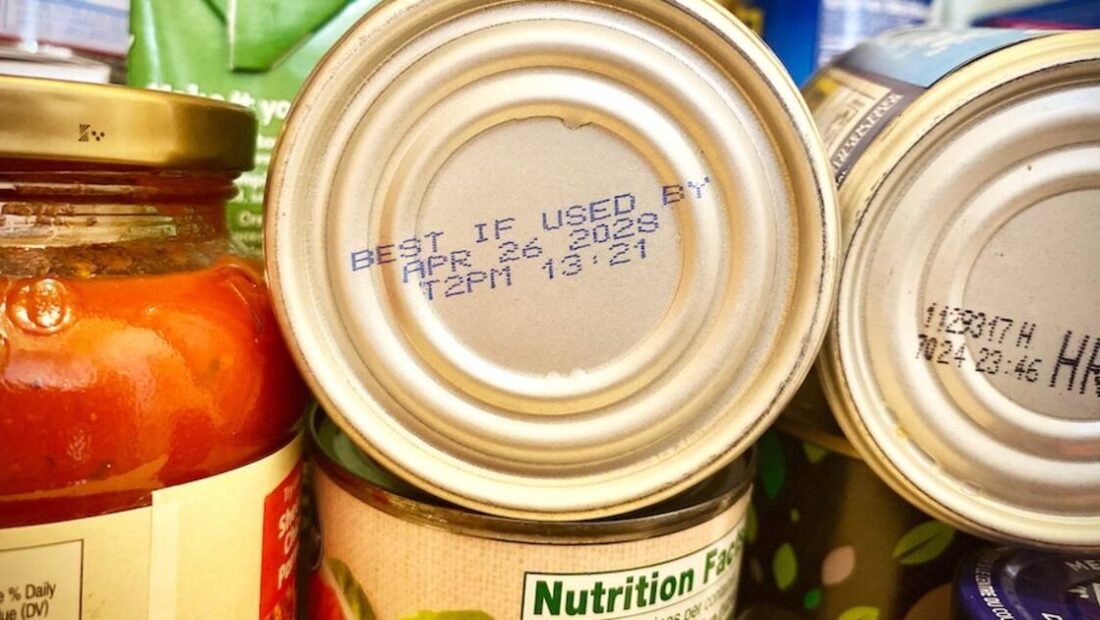
Best-before dates are about quality. They’re found on biscuits, pasta, tinned goods, cereals — foods that go stale or lose flavour but won’t make you ill. A biscuit a month past its best-before might be a bit soft; it won’t hurt you. The Food Standards Agency is explicit on this: best-before is the manufacturer’s promise of peak quality, not a safety deadline.
Once you internalise this distinction, the fridge becomes much less stressful. Use-by: respect it. Best-before: use your judgement.
Foods You Should Never Eat Past Their Use-By Date
Some foods are genuinely risky, and no amount of sniffing makes them safe:
- Cooked meats and pâté — listeria risk, which is particularly dangerous for pregnant women and older people.
- Pre-packed sandwiches and salads — the combination of protein and moisture is ideal for bacterial growth.
- Soft cheeses and unpasteurised dairy — same listeria concern.
- Smoked fish — another listeria carrier that needs respect.
- Fresh poultry and minced meat — high-risk even within date if stored badly; past date, don’t chance it.
The “sniff test” is unreliable for these foods. Pathogenic bacteria — the ones that make you ill — often don’t produce off smells. Spoilage bacteria (the ones that make food smell bad) and pathogenic bacteria are different organisms. Smelling fine proves nothing about safety. This is the mistake I see most often, and it’s the one that sends people to A&E.
Foods That Are Usually Fine Past Best-Before
On the other hand, plenty of foods are perfectly good long after their best-before date:
- Dry goods — pasta, rice, flour, lentils: good for months or years past best-before if kept dry. (Flour can harbour weevils eventually, but that’s unpleasant, not dangerous.)
- Tinned foods — safe for years past best-before as long as the tin is intact, not bulging or deeply dented.
- Biscuits, crackers and crisps — may go stale or soft, but safe.
- Hard cheese — cut off any mould (at least 2cm around it) and the rest is fine. Hard cheese is inhospitable to the dangerous stuff.
- Yoghurt — unopened yoghurt is often fine days past its date; the live cultures actually protect it. Use your eyes and nose.
- Eggs — the float test works: fresh eggs sink, old-but-edible eggs stand on end, bad eggs float. In the UK, Lion-marked eggs are safe even lightly cooked.
Bread sits in the middle: it goes stale (quality) before it goes mouldy (don’t eat mouldy bread — some moulds produce toxins you can’t see). Freezing bread on day one sidesteps the whole question.
The Freezer: Your Time Machine
The most powerful food-waste weapon most people underuse is the freezer. You can freeze food right up to and including its use-by date, and the clock stops. That chicken with today’s use-by date? Freeze it this morning and it’s good for months. This single habit — freezing rather than binning — is probably the biggest saver in reducing food waste in your kitchen.
Label everything with the date and defrost properly: in the fridge overnight, never on the countertop. And remember the golden rule — once defrosted, cook within 24 hours and never refreeze raw defrosted meat (cooked-then-frozen is fine). Defrosted leftovers also make excellent next-day lunches — see our budget meal prep ideas for the week if you need inspiration beyond the usual sandwich.
The Sniff Test, Done Properly
For best-before foods (not use-by), your senses are genuinely useful — but use all of them, not just smell. Look for discolouration, mould, or unexpected textures. Smell for sourness or off-odours. Taste a tiny amount if the first two pass. This three-stage check catches the vast majority of spoiled food. The key discipline is knowing when NOT to trust your senses: on use-by foods, as discussed, harmful bacteria can be odourless. Milk is the classic example — slightly sour milk in tea is unpleasant but rarely dangerous; but “slightly off” cooked chicken can carry campylobacter with no warning smell at all.
When in doubt, there’s a simple hierarchy: best-before + looks/smells fine = eat it. Use-by + any doubt at all = bin it. Use-by foods are cheap; food poisoning is not.
It’s also worth knowing that some supermarkets are relaxing the rules themselves: several major UK chains have removed use-by dates from milk in favour of the sniff test, precisely because so much milk was being poured away unnecessarily. Milk is one of the few use-by foods where your senses are genuinely reliable — sour milk is unmistakable long before it’s unsafe.
Who Needs to Be Extra Careful?
The standard advice assumes a healthy adult. If you’re pregnant, over 65, very young, or immunocompromised, be stricter: stick to use-by dates religiously, avoid high-risk foods like soft cheese and pâté entirely, and reheat ready meals until steaming. The NHS guidance on food safety covers the specifics for vulnerable groups.
For everyone else, the sensible approach is: respect use-by dates on high-risk foods, use judgement on best-before dates, freeze aggressively, and stop binning perfectly good food out of date-label anxiety. The UK throws away millions of tonnes of edible food a year — and a huge chunk of it is date-label confusion, not actual spoilage. A little knowledge keeps both your stomach and your wallet happier.
Confident label-reading also makes you a sharper shopper — you’ll waste less of what you buy, which is half the battle in keeping the weekly food shop under £60. And when in doubt, the freezer is always the safe answer: freeze it now, decide later.


