
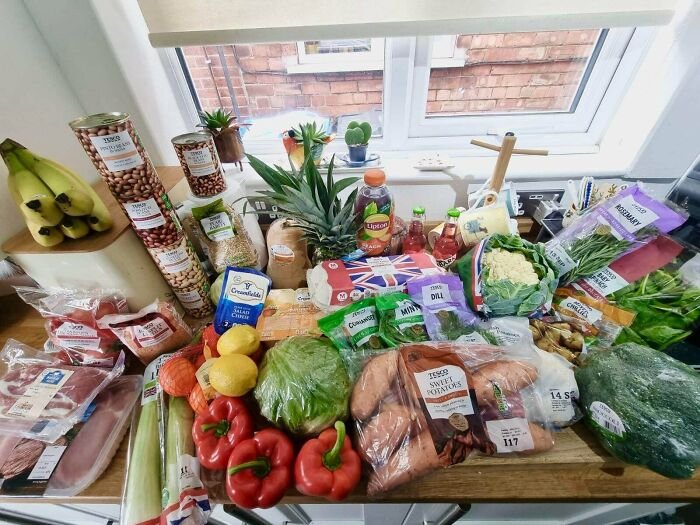
Food prices have risen relentlessly, and the weekly shop is where most households feel it hardest. But getting your weekly food shop to under £60 in the UK for a family is absolutely doable — I know, because I’ve done it for months at a time, eating well throughout. It’s not about coupons or misery eating; it’s about a system of planning, clever shopping and a few firm habits. Here’s the complete playbook, from planning to checkout.
Start With the Meal Plan (15 Minutes, Saves £30)
Every pound wasted starts as a meal unplanned. Sit down once a week — Sunday evening works — and plan 5-6 dinners, leaving 1-2 nights for leftovers, eating out, or spontaneity. Planning all seven breeds rebellion; planning five is sustainable.
Plan around what you already have. Check the fridge, freezer and cupboards first and build meals from what’s there — the half-bag of pasta, the frozen mince, the tin of coconut milk bought for a recipe you never made. Then write the shopping list from the gaps. This “shop your kitchen first” habit is the foundation of budget meal prep for the week too — the two systems reinforce each other.
Build in repetition deliberately: a roast chicken on Sunday becomes Monday’s curry and Tuesday’s soup. A big bolognese becomes Wednesday’s dinner and Thursday’s lasagne. “Cook once, eat twice” isn’t leftovers drudgery — it’s the oldest budget trick in the book, and it halves both cooking time and cost.
Where You Shop Matters More Than What You Buy
The single biggest lever: switch your main shop to Aldi or Lidl. This isn’t snobbery territory anymore — blind taste tests consistently rate discounter own-brand equal to or better than the big four on staples, and the saving is 20-30% on a like-for-like basket. On a £80 shop, that’s £16-24 a week — £800-1,200 a year — for identical nutrition.
The optimal strategy is a two-shop system: Aldi/Lidl for the bulk of it (produce, dairy, meat, cupboard staples), plus a smaller top-up at Tesco/Asda/Sainsbury’s for the specific brands and items the discounters don’t carry well. Don’t do the reverse — the big-four “essentials” ranges are fine, but their full-price items will quietly inflate your bill.
And learn your store’s reduction rhythms. Most supermarkets mark down bakery, meat and dairy in the last 1-2 hours before closing — yellow-sticker hunting can cut 30-70% off fresh items. Buy reduced meat and freeze it the same day; buy reduced bread and freeze it. The freezer turns reductions into permanent savings.
The Swaps That Save Real Money
Meat: Trade down the cut, not the meal. Chicken thighs instead of breast (cheaper, tastier, harder to ruin). Mince with higher fat percentage (drains off, costs less). Braising steak instead of stewing steak — same thing, different label, lower price. And institute 2-3 meat-free days: lentil dhal, bean chilli and egg-based meals cost under £1 a portion and are genuinely delicious, not worthy. For protein on a budget specifically, our ranking of the cheapest high-protein foods in UK supermarkets shows exactly where the value is.
Brands: The own-brand premium gap is enormous — branded tinned tomatoes at 90p vs own-brand at 35p, identical contents. For cupboard staples (flour, sugar, rice, pasta, tinned goods, frozen veg), own-brand is always fine. Be selective with fresh items where taste differs, but even there, blind tests embarrass the brands regularly.
Frozen: Frozen veg is picked at peak ripeness and often more nutritious than “fresh” veg that’s travelled for a week — at half the price. Frozen berries, frozen fish fillets, frozen herbs: all excellent, all cheap, zero waste. The MoneySavingExpert shopping guides regularly highlight frozen as one of the most underused budget weapons.
Weekly Food Shop to Under £60: A Worked Example
For a family of four, here’s roughly where £60 goes at discounter prices: meat and fish (£15), dairy and eggs (£8), fruit and veg (£12), bread and bakery (£4), cupboard staples top-up (£6), frozen items (£5), treats and extras (£6), household basics (£4). That’s real food — roast dinner, curries, pasta, proper breakfasts — not deprivation.
The meals: Sunday roast chicken (£5 bird, feeds four with leftovers). Monday chicken curry from leftovers. Tuesday lentil dhal with rice (60p a portion). Wednesday spaghetti bolognese. Thursday bean chilli with baked potatoes. Friday homemade pizza (£1.50 each). Saturday stir-fry or omelettes. Breakfasts: porridge, toast, eggs. Lunches: leftovers, soup, sandwiches. Nobody goes hungry; everybody eats well.
The Habits That Protect the Budget
Audit the cupboards monthly. We all accumulate duplicates — three half-used jars of the same spice, tins bought “just in case.” A quick monthly audit stops duplicate buying and reminds you what needs using. I keep a running “use first” shelf in the cupboard for anything close to its date.
Never shop hungry. The oldest rule, still the most broken. Eat before you go or shop online.
Consider online shopping. It kills impulse buys dead — you buy the list, nothing else. The delivery fee (£1-4) is dwarfed by what you save not walking past the bakery. Many find online shopping alone drops their bill 15%.
Track it loosely. You don’t need a spreadsheet; just note the total each week. Awareness alone trims spending — the weeks I don’t check are always the expensive ones. I keep a note on my phone with the last few weeks’ totals; watching the number stay under £60 becomes its own quiet motivation, and spikes are immediately obvious enough to investigate.
Grow something. Even a windowsill of herbs and a pot of tomatoes cuts the most overpriced items (fresh herbs!) from your shop entirely.
Getting the weekly food shop under £60 isn’t a diet or a punishment — it’s a system of planning, smart shopping and good habits. The money you save is real: £20 a week is £1,040 a year. That’s a holiday, an emergency fund, or just breathing room. And you’ll probably eat better than before, because planned food beats impulse food every time.
Two more habits worth building: audit the fridge before every shop — our guide to reducing food waste shows where the £500 a year most households bin actually goes — and build meals around cheap high-protein staples rather than pricey meat. Small shifts, compounding savings.
The yellow-sticker run: timing the reductions
Every supermarket reduces fresh food near closing time, and the discounts are serious — 50–75% off meat, fish, bread and ready meals. The sweet spot is usually the last 60–90 minutes before closing, though larger stores start earlier. Make it a habit: pop in on your way home two or three evenings a week, buy whatever’s reduced, and freeze it the same night. The Too Good To Go app works on the same principle — “magic bags” of unsold food from local shops and cafés for around £3–£4. One caution: only buy reduced food you’ll actually use within a day or freeze immediately, or you’ve just moved the waste from the shop’s bin to yours. Our food waste guide covers the freezer habits that make this work, and MoneySavingExpert’s supermarket tricks are worth a read before your next shop.


4 Comments