
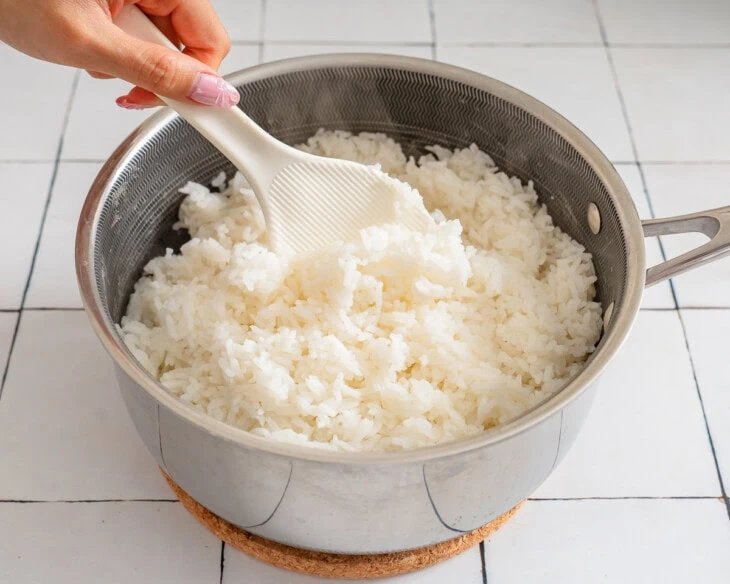
If you've ever wondered what the best way to cook rice is without it going mushy, you're asking the right question — because the difference between fluffy, separate grains and a sad starchy porridge comes down to just a few small decisions. I've ruined enough batches to know exactly where it goes wrong, and it's almost never the rice's fault.
The good news: perfect rice doesn't need a rice cooker or any special equipment. It needs the right water ratio, the right heat, and — this is the one most people skip — the discipline to leave the lid alone. Here's the method that works for basmati, long grain and jasmine, plus what to do when it all goes sideways.
The Best Way to Cook Rice Without It Going Mushy: The Absorption Method
Forget the big pan of boiling water you drain like pasta — that's the number one cause of mushy rice in British kitchens. The absorption method means the rice soaks up exactly the water it needs and no more, so there's nothing to drain and no waterlogged grains. For basmati or long grain rice, the ratio is 1 part rice to 1.5 parts water by volume. For jasmine, use 1 to 1.25.
Here's the full method: rinse the rice in a sieve under cold water until the water runs mostly clear — this washes off surface starch, which is the main culprit behind clumping. Put it in a saucepan with a tight-fitting lid, add the measured cold water and a pinch of salt. Bring to a rolling boil, then immediately drop the heat to the lowest setting, put the lid on, and set a timer for 12 minutes for basmati (15 for long grain). When the timer goes off, take it off the heat and leave it — lid still on — for 5 to 10 minutes. Then fluff with a fork. That's it. BBC Good Food's guide to cooking rice
- Rinse until water runs clear to remove excess surface starch
- Use 1:1.5 rice to water for basmati; 1:1.25 for jasmine
- Boil, then lowest heat with the lid firmly on
- Rest 5-10 minutes off the heat before fluffing with a fork
The Three Mistakes That Make Rice Mushy
Mistake one is too much water. British packet instructions often say to use loads of water and drain it, which works for no one — you lose flavour down the sink and the grains sit in boiling water far too long. Measure your water and trust the ratio. Mistake two is stirring. Every time you lift the lid and stir, you release steam, cool the pan, and break grains open so they leak starch. Put the lid on and walk away.
Mistake three is impatience at the end. Rice keeps cooking in its own steam after you take it off the heat, and those resting minutes are when the grains firm up and separate. Skip the rest and fluff too early, and you'll get that wet, claggy texture. If your rice is consistently disappointing, check your pan too — a thin pan on a fierce hob scorches the bottom while the top stays underdone. A heavy-based saucepan with a proper lid makes this foolproof.
Adapting the Method for Different Types of Rice
Brown rice plays by different rules: it needs more water (about 1:2) and 30-35 minutes on low heat, plus the same resting time. Don't try to rush it — the bran layer needs the full time to soften. Sushi rice wants a 1:1.2 ratio and a good rinse, then seasoning with rice vinegar while warm. Easy-cook or parboiled long grain is the most forgiving of all and rarely goes mushy, which is why it's worth keeping a bag for one pot meals for families where the rice simmers in sauce.
Microwave rice pouches and boil-in-the-bag rice exist for a reason, and there's no shame in them on a busy weeknight. But once you've nailed the absorption method, you'll find it takes barely more effort and tastes noticeably better — the grains have bite, the rice actually smells like something, and it costs pennies per portion.
What to Do With Rice That's Already Gone Mushy
Don't bin it. Mushy rice is a lost cause as a side dish, but it's a brilliant starting point for something else. Stir it into soup to thicken it, turn it into fried rice (spread it on a tray and chill it first — cold, slightly overcooked rice fries up beautifully), or make rice pudding with milk, sugar and a grating of nutmeg. Arancini — those Italian fried risotto balls — were literally invented for leftover starchy rice.
Better still, plan for leftovers deliberately. Cooked rice keeps for one day in the fridge if you cool it quickly and refrigerate within an hour — spread it on a tray to cool fast rather than leaving the hot pan on the side. Food Standards Agency advice on storing cooked rice And cold leftover rice is the foundation of great restaurant style curry at home, which honestly taste better with day-old grains.
- Chill it and make fried rice — cold rice fries far better than fresh
- Stir into soups or stews as a natural thickener
- Make a quick rice pudding with milk, sugar and nutmeg
- Cool leftovers fast and refrigerate within an hour
Storing and Reheating Leftover Rice Safely
Leftover rice has a bad reputation, and it's entirely about storage, not the rice itself. Cooked rice can harbour Bacillus cereus spores that survive cooking — they only become a problem if the rice sits warm for hours, letting bacteria multiply. The fix is easy: cool rice fast (spread it on a tray or run cold water over it in a sieve), get it in the fridge within an hour, and keep it no more than 24 hours.
When reheating, make sure it's steaming hot all the way through — stir halfway so there are no cool pockets — and only reheat once. Better yet, use cold leftover rice deliberately: it's the secret to great fried rice (the dried-out grains fry instead of steaming) and it's lower in rapidly-digestible starch, which some people find sits better. Cook extra on purpose; just treat it right.
Practical Takeaway
The best way to cook rice without it going mushy is the absorption method: rinse the starch off, use a measured 1:1.5 water ratio, boil then simmer low with the lid on, and rest before fluffing. Stop stirring, stop peeking, and stop drowning it. Master that and you'll never serve a gluey batch again — and you'll have the perfect base for everything from a freezer meals to batch cook to a Friday-night fakeaway.


