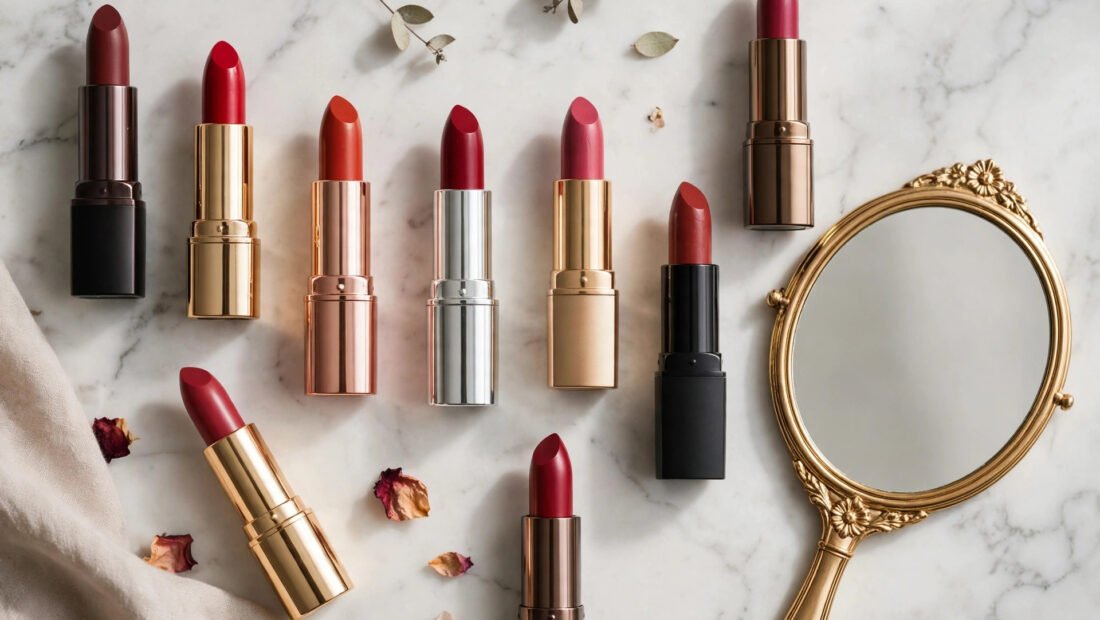
There is a red lipstick for everyone — the beauty industry has repeated it so often it sounds like a platitude, but the underlying truth is real: with hundreds of reds on the market, the issue was never whether your red exists, only how to find it without buying twelve wrong ones first. For beginners in London, with every major beauty hall within a Tube ride, choosing well is a matter of understanding one concept (undertone) and testing properly (in daylight, on lips, not hands).
Here is the safest, most waste-free route to your red.
Step 1: Find Your Undertone (The Only Theory You Need)
Your skin’s undertone — the subtle hue beneath the surface — determines which reds harmonise and which clash. Cool undertones (veins look blue/purple, silver jewellery flatters, you burn before you tan): you suit blue-based reds — cherry, crimson, classic pillar-box, berry-reds. Warm undertones (veins look green, gold jewellery flatters, you tan easily): you suit orange- and yellow-based reds — tomato, poppy, brick, warm coral-reds. Neutral undertones (a mix of both signs): you are the lucky ones — most reds work, so choose by depth and mood.
Not sure? The white-paper test in natural daylight helps: hold white paper to your face — if your skin looks rosy, you are likely cool; yellowish, likely warm. Our guide to colours that suit pale skin tones covers the same undertone logic for wardrobes, and the principles transfer directly.
Step 2: Match Depth to Your Colouring
Undertone picks the red’s family; your overall colouring picks its depth. Fair/light skin: true cherry reds, blue-reds and raspberry reds pop beautifully; very dark oxblood shades can overwhelm unless balanced with minimal eye makeup. Medium/olive skin: you carry the widest range — brick, tomato, classic true reds and deeper berries all work; orange-reds are particularly stunning against olive tones. Deep skin: rich, pigmented reds shine — deep crimson, burgundy-red, vibrant orange-red; sheer or pale reds can look washed out, so favour full-pigment formulas.
The classic beginner mistake is choosing a red that is technically “your undertone” but wrong in intensity — a sheer wash when you need pigment, or a near-black red that wears you instead of the reverse. When in doubt, a classic medium true red is the most forgiving starting point across skin tones.
Step 3: Choose Your Formula (Beginner-Friendly First)
Satin/cream finishes are the beginner sweet spot: comfortable, forgiving of imperfect application, and flattering on most lips. Sheer reds and tinted balms are the lowest-risk entry — a wash of colour that is almost impossible to get wrong, perfect for testing whether red suits your life before committing. Matte liquid lipsticks look stunning but punish beginners: they show every wobble, dry the lips, and are unforgiving to remove and redo. Save them for month three.
Prep matters as much as formula: exfoliate gently (a soft toothbrush or sugar scrub), moisturise with balm, blot, then apply. Lip liner in a matching shade — or a clear “invisible” liner — stops feathering, the main thing that makes red lipstick look messy rather than chic. One thin layer, blot on tissue, second thin layer: the old makeup-artist trick for longevity without caking. For extra precision, tidy the edges with a small amount of concealer on an angled brush — the five-second step that makes application look professional rather than approximate.
Where to Test in London (Safely and Without Waste)
London’s advantage is testers everywhere — use them properly. Test on your lips, not the back of your hand (hand skin is a different colour and texture); use the disposable applicators provided; and always walk to natural daylight before deciding — department-store lighting is designed to flatter products, not to tell the truth. The big beauty halls (Oxford Street, Covent Garden) have trained staff who will do a full lip application and colour consultation free; book at quieter weekday times for unhurried advice.
Ask for samples of two or three finalists and live with them for a day each — how a red looks at 9am versus 9pm, and how it makes you feel wearing it, matters more than a five-minute counter impression. Many counters now offer mini or travel sizes: the economical way to test-drive. And check ingredients if you have sensitive skin or lip allergies — the Office for Product Safety and Standards oversees cosmetics safety in the UK, and the British Beauty Council is a good industry reference.
Avoiding the Expensive Mistakes
Do not buy red lipstick online as your first red — screen colours lie, and returns on opened cosmetics are rarely possible. Do not let a trend choose for you: the “red of the season” may not be your red, and classics outlast trends by decades. Do not ignore your teeth: blue-based reds make teeth look whiter; orange-based reds can emphasise yellowness — worth knowing if it bothers you. And do not assume expensive means better-matched: several high-street brands now rival luxury houses for pigment and wear, at a fifth of the price. Our guide to looking stylish on a budget applies as much to the beauty counter as the clothes rail.
Wearing It With Confidence
The final ingredient is not in the tube. Red lipstick draws the eye, and beginners often feel overdone for the first hour — this passes. Start by wearing it for low-stakes outings (the Saturday shop, a friend’s dinner) before debuting it at work. Keep the rest of your makeup simple while you adjust: red lips plus minimal eyes is the timeless combination that never looks like too much. And remember the office style principles — one statement element, everything else quiet, works for makeup exactly as it does for clothes.
Conclusion
The safest way for a beginner to choose the right red lipstick for your skin tone in London is a three-step process: identify your undertone (cool = blue-reds, warm = orange-reds, neutral = most reds), match depth to your colouring, and start with a forgiving satin or sheer formula. Test on lips in natural daylight, take samples home, and never buy your first red online. London’s counters and consultations exist precisely for this — use them, take your time, and trust that your red is out there. It is.
Frequently Asked Questions
How do I know my skin undertone for lipstick?
Check your wrist veins in daylight (blue/purple = cool, green = warm), whether silver or gold jewellery flatters you more, and whether you burn or tan. Cool undertones suit blue-based reds; warm suit orange-based reds.
What red lipstick suits fair skin?
Cherry, blue-red and raspberry shades flatter fair skin beautifully. Avoid very dark oxblood tones unless balanced with minimal eye makeup, as they can overwhelm lighter colouring.
Should beginners choose matte or satin red lipstick?
Satin or cream — they’re comfortable, forgiving of imperfect application and flattering on most lips. Sheer reds and tinted balms are even lower-risk for a first red. Save matte liquids until your application is confident.
Can I test lipstick shades safely in shops?
Yes — use the disposable applicators provided, test on your lips (not your hand), and check the colour in natural daylight before deciding. Ask for samples of finalists to live with for a day.