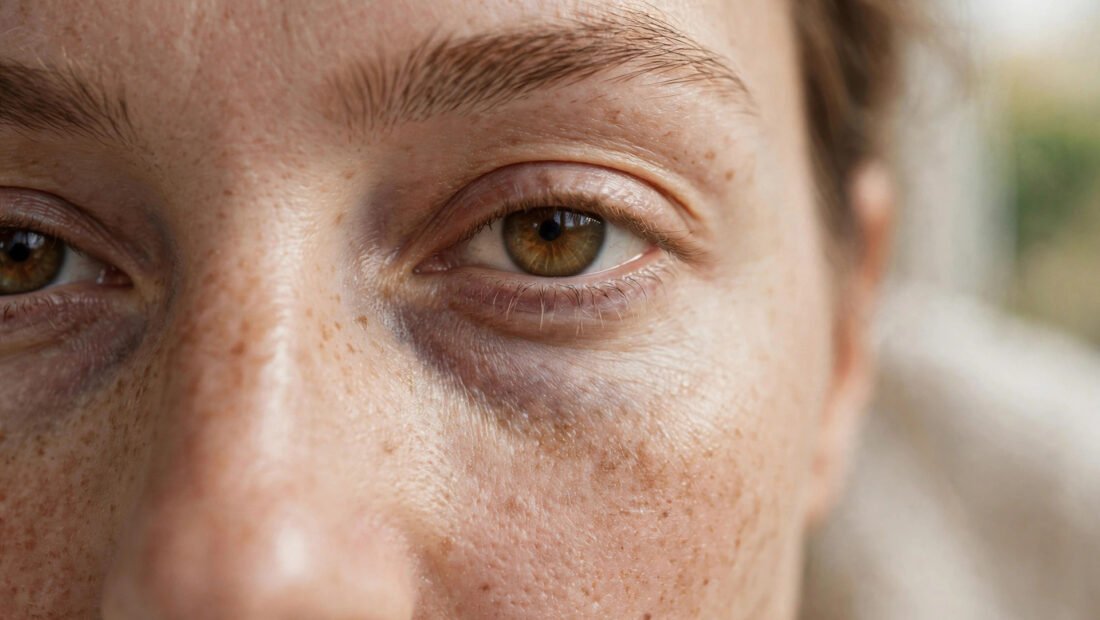
If you want to know how to get rid of dark circles, the most effective approach is to fix the underlying cause: prioritise 7–9 hours of sleep, apply a cold compress each morning, wear SPF around the eyes daily, and use an eye cream with ingredients such as vitamin C, caffeine or niacinamide. Circles caused by genetics or natural ageing are harder to shift and may need professional treatments like tear-trough filler. This guide walks you through exactly what to do, step by step.
What Causes Dark Circles?
Dark circles — the shadowy discolouration under the lower eyelids — are rarely a sign of anything serious, but they can make you look permanently exhausted. Understanding what causes them is the first step in learning how to get rid of dark circles, because the right treatment depends entirely on the trigger.
The most common cause is simply tiredness. When you are sleep-deprived, your skin becomes paler, which allows the blood vessels beneath the thin under-eye skin to show through more clearly, creating that blue or purple tint. Fluid can also pool under the eyes overnight, adding puffiness on top of the darkness.
Genetics play a bigger role than most people realise. If your parents had dark under-eyes, you are more likely to develop them too, regardless of how well you sleep. Some families inherit naturally thinner lower-eyelid skin or deeper-set eyes, both of which make the area appear darker.
Ageing and Volume Loss
As you get older, the skin naturally loses collagen and fat, becoming thinner and more translucent. The tear trough — the groove that runs from the inner corner of the eye down towards the cheek — deepens with age, casting a genuine shadow under the eye. This type of dark circle does not respond well to creams, because no topical product can replace lost volume.
Sun Exposure and Hyperpigmentation
Sunlight triggers melanin production, and the delicate under-eye area is particularly vulnerable. In people with olive or darker skin tones, dark circles are often caused by excess pigmentation rather than visible blood vessels, which is why they tend to appear brown rather than blue. Skipping SPF around the eyes can make this pigmentation progressively worse.
Allergies, Hay Fever and Rubbing
Nasal congestion from hay fever or dust allergies dilates the veins around the eyes and nose, a phenomenon doctors sometimes call “allergic shiners”. Constant rubbing of itchy eyes then breaks the tiny capillaries under the skin and can stimulate extra melanin, darkening the area further.
Lifestyle Factors
Dehydration, smoking, alcohol and a high-salt diet can all worsen under-eye darkness. Alcohol dehydrates the skin and disrupts sleep quality, while smoking accelerates collagen breakdown. Eating a very salty meal the night before often leads to morning puffiness that makes existing circles look deeper.
How to Get Rid of Dark Circles: A Step-by-Step Routine
Follow these steps in order for the best chance of fading dark circles without expensive clinic treatments. Most people see a noticeable improvement within two to four weeks of consistency.
Step 1: Fix Your Sleep First
Adults need 7–9 hours of quality sleep per night. It is not just duration that matters — fragmented, restless sleep is almost as bad as too little sleep for under-eye appearance. Keep a consistent bedtime, cut screen time in the hour before bed, and avoid alcohol late in the evening, since it fragments sleep architecture. If you consistently wake up with puffy eyes, try sleeping on your back with your head slightly elevated on an extra pillow, which helps fluid drain away from the face.
Step 2: Use a Cold Compress Every Morning
A cold compress constricts the blood vessels under the eyes, reducing both darkness and puffiness. Wrap a few ice cubes in a clean flannel, or keep two metal teaspoons in the fridge overnight and press them gently against the area for five minutes each morning. Chilled cucumber slices and refrigerated gel eye masks work on the same principle. This is the single fastest way to get rid of dark circles temporarily before work or an event.
Step 3: Protect the Area with SPF Daily
Apply a broad-spectrum SPF 30 or higher around the eyes every single morning, even on cloudy days and in winter. UV exposure darkens existing pigmentation and thins the skin further, so this step is non-negotiable if you want long-term improvement. Mineral sunscreens formulated for sensitive skin tend to sting less near the eyes. Sunglasses with UV protection add another layer of defence.
Step 4: Choose an Eye Cream with Proven Ingredients
No eye cream erases dark circles overnight, but the right ingredients genuinely help over time. Look for these on the label:
- Vitamin C: a brightening antioxidant that inhibits melanin production and supports collagen. Concentrations of 5–10% in eye products are typical.
- Niacinamide (vitamin B3): strengthens the skin barrier and evens out tone, with minimal irritation risk.
- Caffeine: constricts blood vessels and reduces fluid build-up, making it excellent for bluish, puffy circles.
- Retinoids: prescription-strength tretinoin or over-the-counter retinol thickens the thin under-eye skin over months, making vessels less visible. Start slowly — two nights a week — because the area irritates easily.
- Hyaluronic acid and ceramides: these hydrate and plump the skin, softening the appearance of hollows.
Apply a pea-sized amount with your ring finger, patting gently from the inner to the outer corner. Never drag or pull the skin, which accelerates wrinkling.
Step 5: Stay Hydrated and Eat for Your Skin
Chronic dehydration makes under-eye skin look dull and sunken. Aim for around 2 litres of fluid a day — water, herbal teas and water-rich foods all count. A diet rich in vitamin K (leafy greens), vitamin C (citrus, peppers, berries) and iron supports healthy circulation and collagen production. If you are often pale and tired with dark circles, it is worth asking your GP for a blood test, as iron-deficiency anaemia is a common and easily treated cause.
Step 6: Tackle Allergies and Stop Rubbing
If hay fever or dust allergies are behind your dark circles, treat the allergy rather than the symptom. Over-the-counter antihistamines, saline nasal sprays and keeping bedroom windows closed during high pollen counts can all reduce allergic shiners. The NHS hay fever guidance explains how to manage symptoms effectively. Most importantly, resist rubbing your eyes — wear sunglasses on windy days and use artificial tears if dryness makes them itch.
Professional Treatments That Actually Work
When creams and lifestyle changes are not enough — particularly for genetic or age-related circles — clinic treatments can deliver results that topicals cannot. These should always be carried out by a qualified medical professional, ideally a dermatologist or an aesthetic doctor registered with the General Medical Council.
Tear-Trough Filler
Hyaluronic acid filler injected into the tear trough replaces lost volume, smoothing the shadow-causing groove. Results are immediate and typically last 9–12 months. In the UK, expect to pay £300–£600 per session at a reputable clinic. There are risks — including lumps, bruising and, rarely, vascular complications — so choose your practitioner carefully and never bargain-hunt for facial injections.
Chemical Peels and Laser Therapy
Light chemical peels and certain lasers can reduce pigmentation-driven dark circles by targeting excess melanin. These work best on brown, pigmentation-type circles rather than blue, vascular ones. Multiple sessions are usually needed, with costs ranging from £150 to £400 per session in UK clinics.
Prescription Treatments
A dermatologist may prescribe hydroquinone or prescription-strength retinoids for stubborn pigmentation. These are more potent than anything available over the counter but require medical supervision, as misuse can irritate the skin or cause rebound pigmentation.
Home Remedies: What Helps and What’s a Myth
The internet is full of DIY fixes for dark circles. Some have genuine merit; others are wishful thinking.
- Cold tea bags: chilled green or black tea bags combine cold therapy with a small caffeine dose — genuinely helpful for morning puffiness.
- Almond oil or vitamin E: these moisturise the area and may soften the appearance of fine lines, but they do not remove pigmentation or rebuild collagen.
- Potato or cucumber slices: the cooling effect helps puffiness; any “bleaching” claims are overstated.
- Lemon juice: avoid this entirely. Its acidity can severely irritate the delicate eye area and cause chemical burns.
- Haemorrhoid cream: an old modelling trick that temporarily tightens skin, but it is not formulated for the eyes and can cause irritation with repeated use.
How to Prevent Dark Circles Coming Back
Once your dark circles have faded, keep them away with a few lasting habits. Make SPF around the eyes a permanent part of your morning routine, maintain consistent sleep hours, and manage allergies before each hay fever season starts. Stay hydrated, limit alcohol and salty late-night meals, and never sleep in eye make-up, which can irritate the area overnight. If your circles are genetic, accept that maintenance — rather than a permanent cure — is the realistic goal, and a good concealer remains a perfectly valid part of the strategy.
When to See a GP About Dark Circles
Dark circles are almost always cosmetic, but see your GP if they appear suddenly, affect only one eye, or come with other symptoms such as extreme fatigue, pale skin, breathlessness or swelling. These can occasionally signal thyroid problems, iron-deficiency anaemia or kidney issues that need proper diagnosis. A single dark, swollen eye after an injury should also be checked promptly. The NHS advice on tiredness and fatigue is a useful starting point if exhaustion is the underlying problem.
Do Facial Massages, Jade Rollers and Eye Patches Work?
Gentle lymphatic massage around the eyes — light tapping or sweeping motions from the inner corner outward — can temporarily reduce morning puffiness by encouraging fluid drainage, and many people find the ritual relaxing. Jade rollers and chilled gua sha tools work on the same principle: the cold constricts blood vessels while the massage moves pooled fluid along. The effect is real but short-lived, typically lasting a few hours. Hydrogel eye patches deliver a concentrated dose of hydrating and brightening ingredients while the occlusion boosts absorption; they are a useful pre-event fix rather than a long-term solution. None of these methods address pigmentation or volume loss, so treat them as finishing touches on top of the core routine — sleep, SPF and proven actives — rather than replacements for it.
Frequently Asked Questions
Can dark circles go away permanently?
It depends on the cause. Circles from poor sleep, dehydration or allergies usually resolve completely once the trigger is fixed. Genetic or age-related circles can be greatly improved with treatments like filler or retinoids, but they tend to need ongoing maintenance rather than offering a one-off permanent cure.
How long does it take to get rid of dark circles?
Lifestyle changes such as better sleep and daily SPF typically show results within 2–4 weeks. Eye creams with active ingredients like vitamin C or retinol need 8–12 weeks of consistent use before judging their effect, because skin cell turnover takes time. Clinic treatments like tear-trough filler work immediately.
Does drinking more water help dark circles?
Yes, if dehydration is contributing to them. Well-hydrated skin looks plumper and healthier, which makes the under-eye area appear brighter. However, water alone will not fix circles caused by genetics, pigmentation or structural volume loss.
Are expensive eye creams worth it?
Price is a poor guide to effectiveness. A £15 eye cream with vitamin C, niacinamide or caffeine can outperform a £80 luxury cream with no active ingredients. Check the ingredient list, not the brand name, and be wary of products promising overnight miracles.
Can lack of iron cause dark circles?
Yes. Iron-deficiency anaemia reduces the blood’s oxygen-carrying capacity, which can make the skin — including under the eyes — look paler and the veins beneath more visible. If you have dark circles alongside fatigue, dizziness or pale skin, ask your GP for a simple blood test.
Conclusion
Learning how to get rid of dark circles comes down to matching the treatment to the cause: better sleep, cold compresses, daily SPF and the right active ingredients resolve most cases within weeks, while genetic or age-related circles may benefit from professional treatments like tear-trough filler. Stay consistent, protect the area from the sun, and see your GP if your circles appear suddenly or alongside other symptoms. For most people, a brighter under-eye area is a realistic goal — not an overnight miracle, but a steady, achievable improvement.