To get rid of athlete’s foot, apply an antifungal cream, spray or powder (such as clotrimazole or terbinafine) to the affected skin once or twice daily for 1–4 weeks, keep your feet clean and completely dry — especially between the toes — and change your socks daily. Most cases clear up within two weeks of consistent treatment. See a pharmacist or GP if the infection spreads, will not shift, or you have diabetes.
What Is Athlete’s Foot?
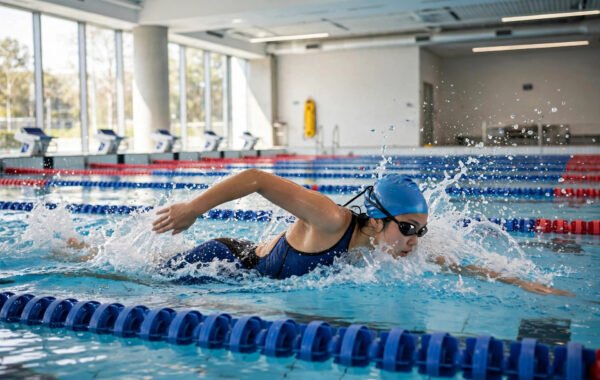
Athlete’s foot (tinea pedis) is a common fungal skin infection that thrives in warm, moist environments — sweaty trainers, communal showers and swimming pool changing rooms being classic breeding grounds. Despite the name, you do not need to be sporty to catch it; the fungus spreads through direct contact with infected skin flakes on floors, towels and socks.
The tell-tale signs are itchy, scaly skin between the toes, redness, flaking or cracked skin on the soles, and sometimes small blisters or a burning sensation. The infection usually starts between the fourth and fifth toes before spreading. Because the symptoms overlap with eczema and dermatitis, the NHS guidance on athlete’s foot recommends confirming the diagnosis with a pharmacist if you are unsure.
Step-by-Step: How to Get Rid of Athlete’s Foot
Step 1: Choose the Right Antifungal Treatment
Antifungal medicines kill the fungus or stop it growing, and they are available over the counter at any UK pharmacy without a prescription. The main options are:
- Terbinafine cream (e.g. Lamisil): usually applied once or twice daily for just one week — the fastest-acting option for most people.
- Clotrimazole cream or spray (e.g. Canesten): applied 2–3 times daily for at least four weeks.
- Miconazole cream or powder: applied twice daily for 2–4 weeks; powders are useful for very sweaty feet.
- Tolnaftate: another effective option available as cream or powder.
Creams suit dry, scaly patches; sprays and powders suit moist, sweaty feet and are easier to apply between the toes. A pharmacist can recommend the best formulation for your symptoms, and own-brand versions work just as well as branded ones — typically £3–£8.
Step 2: Apply It Correctly
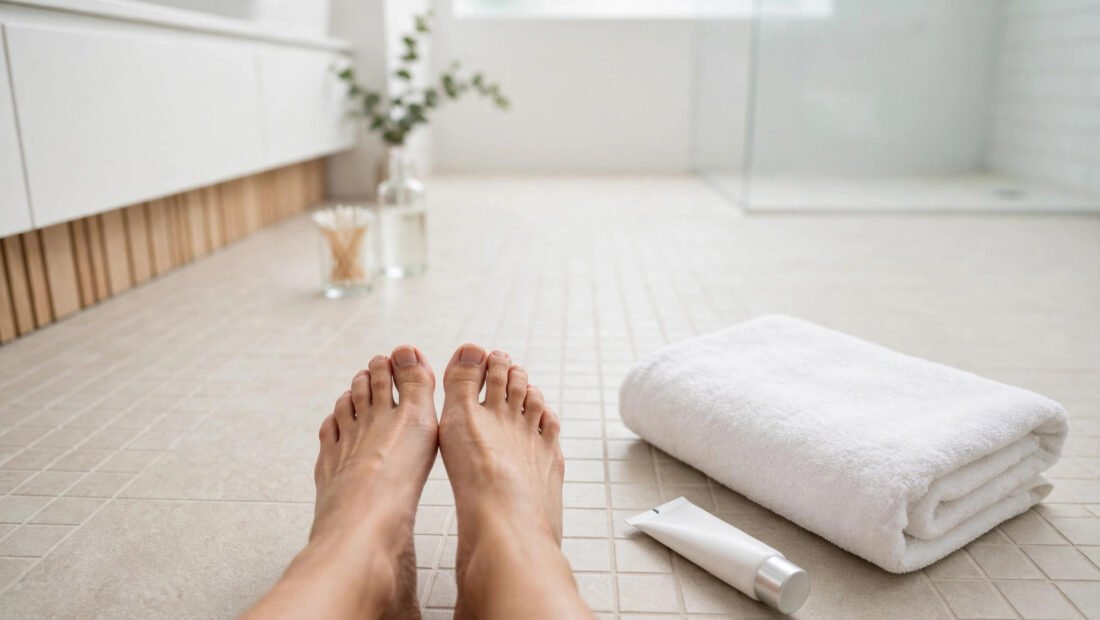
Wash and thoroughly dry your feet first, then apply a thin layer of cream to the infected area and about 2–3cm of surrounding healthy-looking skin, since the fungus spreads invisibly beyond the visible rash. Wash your hands afterwards so you do not transfer the infection to your groin or elsewhere. The critical mistake most people make is stopping treatment the moment the itching fades — keep going for the full recommended course, or the infection will bounce straight back.
Step 3: Keep Feet Clean and Bone Dry
Fungus cannot thrive on dry skin. Wash your feet daily with soap and water, then dry them meticulously — including between every toe. A useful trick is to finish with a hairdryer on a cool setting aimed between the toes. If your feet sweat heavily, dust them with an antifungal or talc-based foot powder each morning.
Step 4: Change Socks and Shoes Smartly
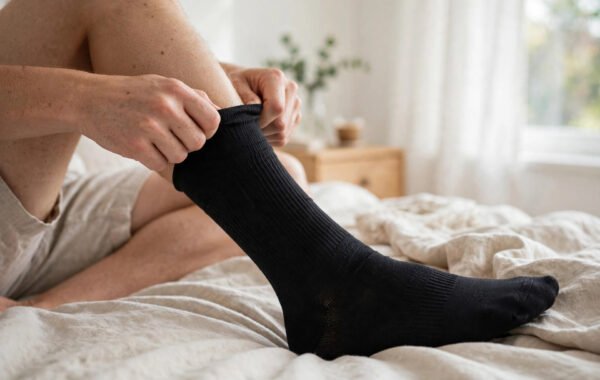
Change your socks at least once a day — more often if your feet sweat — and choose moisture-wicking cotton or bamboo socks over nylon. Let shoes dry out fully between wears by rotating pairs, and favour breathable footwear such as leather shoes or sandals over plastic trainers when possible. Sprinkle antifungal powder inside shoes that tend to get damp, and wash socks at 60°C to kill lingering fungal spores.
Step 5: Stop It Spreading
Athlete’s foot is contagious. Do not share towels, socks or shoes, wear flip-flops in communal showers, swimming pools and gym changing rooms, and wash your bath mat and towels regularly at a hot temperature. Treat both feet even if only one looks infected, and check your toenails — thickened, discoloured nails may indicate a fungal nail infection that needs separate treatment.
How Long Does It Take to Clear?
With terbinafine, most mild cases improve within a week and resolve fully in two. Clotrimazole and miconazole typically need 2–4 weeks of consistent use. If there is no improvement after two weeks of correct treatment, or the infection keeps returning, see your GP — you may need prescription-strength antifungal tablets, or the diagnosis may need confirming with a skin scraping test.
Natural Remedies: Do They Work?
Tea tree oil has mild antifungal properties and some small studies suggest it can help, but it is less reliable than pharmacy antifungals and can irritate broken skin — always dilute it and patch-test first. Vinegar foot soaks and garlic are popular online but lack solid evidence and may cause chemical burns on cracked skin. Bicarbonate of soda can help keep feet dry as a powder, but it will not kill the fungus. Given that proven antifungal creams cost just a few pounds, they remain the sensible first choice.
Preventing Athlete’s Foot Coming Back
- Dry between your toes thoroughly after every shower, bath or swim.
- Wear flip-flops in communal wet areas — pools, gyms, shared showers.
- Rotate your shoes and let each pair air for at least 24 hours.
- Choose breathable socks and change them whenever they get damp.
- Use an antifungal powder in shoes if you are prone to sweaty feet.
- Never share towels, socks or footwear.
People who have had athlete’s foot once are more susceptible to reinfection, so keep these habits up permanently rather than relaxing once the rash clears.
When to See a GP
See your GP or pharmacist promptly if the skin is severely cracked, bleeding or oozing, if redness is spreading up the foot (which can signal a bacterial infection called cellulitis), if you have diabetes or a weakened immune system, or if over-the-counter treatment has failed after a month. People with diabetes should treat any foot infection seriously and seek advice early, as foot complications can escalate quickly.
Athlete’s Foot or Eczema? How to Tell the Difference
Athlete’s foot is often confused with eczema or contact dermatitis on the feet, and using the wrong treatment wastes weeks. Athlete’s foot typically starts between the toes with itching, scaling and a slightly soggy appearance, often with a musty smell, and it usually affects both feet asymmetrically — one worse than the other. Eczema on the feet tends to produce dry, thickened, intensely itchy patches more on the tops of the feet or soles, often symmetrically, and is more likely if you have eczema elsewhere or a history of allergies. Fungal infections generally do not improve with hydrocortisone — in fact, steroids can make them worse by suppressing the local immune response — so if a week of hydrocortisone has not helped an itchy foot rash, switch to an antifungal. When in doubt, show it to a pharmacist: they see both conditions daily and can usually distinguish them at a glance.
Frequently Asked Questions
Can athlete’s foot go away on its own?
Rarely. The fungus is unlikely to clear without antifungal treatment and usually spreads or worsens over time. A short course of pharmacy antifungal cream resolves most cases quickly, so there is little reason to wait it out.
Is athlete’s foot contagious?
Yes. It spreads through infected skin flakes on floors, towels, socks and shoes. You can also spread it to other parts of your own body — particularly the groin — by scratching and then touching elsewhere, so always wash your hands after applying treatment.
What’s the fastest way to get rid of athlete’s foot?
Terbinafine 1% cream applied once or twice daily for one week is the fastest evidence-based option, with most people seeing improvement within days. Combining it with strict foot-drying and fresh socks speeds recovery further.
Can I still go swimming with athlete’s foot?
Yes, but wear flip-flops around the pool and in changing rooms to avoid passing it on, dry your feet thoroughly afterwards, and apply your antifungal as normal. The chlorine in pools does not reliably kill the fungus on your skin.
Why does my athlete’s foot keep coming back?
The usual reasons are stopping treatment too early, reinfection from contaminated shoes or socks, persistently damp feet, or an undiagnosed fungal nail infection acting as a reservoir. Treat nails too, disinfect shoes, and complete the full course of cream.
Conclusion
Getting rid of athlete’s foot is straightforward: a pharmacy antifungal used correctly and for the full course, combined with scrupulously dry feet, fresh socks and breathable shoes, clears the vast majority of cases within weeks. Prevent reinfection by protecting your feet in communal wet areas and never cutting treatment short. If the infection resists treatment, spreads, or you have diabetes, get professional advice rather than persevering alone.