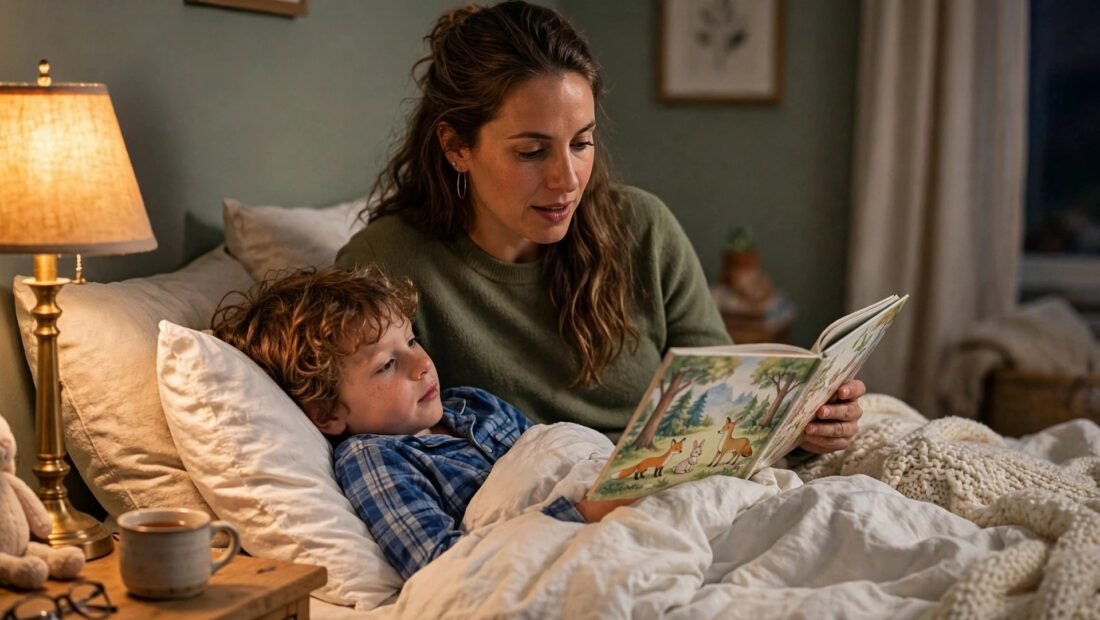
Every Belfast parent of a four-to-seven-year-old eventually asks the same anxious question: am I doing enough to help my child learn to read? The school teaches phonics daily, but the ten minutes you spend at home can matter enormously, or backfire, depending on how you do it. The good news is that helping is simpler than the parenting industry suggests, and the timeline is more forgiving than it feels.
This guide gives realistic timelines, the phonics basics Northern Ireland schools use, and the daily habits that build readers, plus the mistakes that accidentally put children off.
The Honest Timeline
Most children take two to three years of systematic phonics teaching to become fluent, confident readers: typically from P1 to P3 in Northern Ireland. Your home contribution does not replace that; it multiplies it. Ten to fifteen minutes of daily reading practice at home, done well, can accelerate progress by months over a school year.
Expect wobbles, not straight lines. Children often plateau for weeks, then leap forward suddenly. A child who could not blend cat in October may be reading sentences by Easter. Worry less about the week-to-week and more about the trend over terms. If progress stalls for a full term despite school support and home practice, talk to the teacher. Before that, patience and consistency beat anxiety every time.
Phonics Basics Every Parent Should Know
Northern Ireland schools teach systematic synthetic phonics: children learn letter sounds, then blending, pushing sounds together to make words, then segmenting, splitting words into sounds for spelling. The critical parent skill is pronouncing the sounds correctly: pure sounds without the uh on the end. It is mmm, not muh; sss, not suh. Exaggerated uh sounds make blending much harder.
Learn the sounds alongside your child by asking the teacher for the school's phonics scheme, most use Read Write Inc, Jolly Phonics or similar, and watching its parent videos. Ten minutes learning the correct pronunciation saves months of confusion. When your child gets stuck on a word, prompt with the strategy the school uses: Fred talk it, sound it out, rather than just supplying the word, which teaches dependence.
The Daily Habits That Build Readers
One: read to your child every day, well beyond the age they can read alone. Hearing rich language builds vocabulary and comprehension that decoding practice alone cannot. Two: let them see you read. Children of readers become readers; it is one of the most robust findings in literacy research. Three: make books unavoidable and irresistible. A basket of books in every room, library visits as routine, and letting them choose, even if it is the same dinosaur book for the fortieth time.
Four: talk about books, not just read them. Ask what might happen next, why a character did that, what they would do. This builds the comprehension muscles that matter more than decoding by age eight. Five: keep it joyful. Stop before frustration sets in, celebrate effort wildly, and never use reading as punishment. BookTrust offers free books and reading guidance for families, and Belfast's libraries run free story sessions for young children.
Mistakes That Accidentally Put Children Off
Correcting every error breaks flow and teaches that reading is a performance for parental judgement. Correct the important ones, let small ones go, and always praise the attempt first. Forcing tired children to read at bedtime when they are exhausted builds negative associations; move practice to a better time if evenings are battles.
Comparing with siblings or friends, even positively, breeds anxiety. Pushing ahead to harder books before the child is ready turns reading into struggle; the right book is one they can read with 90-plus per cent accuracy. And quizzing rather than conversing, turning every page into a test, drains the pleasure. Your job is to make reading feel like a treat that happens to teach, not a lesson disguised as fun.
Belfast Resources Worth Knowing
Belfast Central Library and branch libraries offer free children's books, story times and summer reading challenges that motivate brilliantly. The school is your first port of call for concerns: ask the P1 or P2 teacher which phonics phase your child is on and what to practise. Many Belfast schools run parent phonics workshops; attend one, since an hour there beats months of guessing.
For extra practice, BBC Bitesize has phonics games aligned to the curriculum, and the BookTrust website suggests books by age that children actually enjoy. If you suspect difficulties beyond normal variation, such as persistent struggles after a year of phonics, raise it early with the teacher and SENCO. And as children grow, what schools should teach children about AI and how AI can help someone with dyslexia cover the wider debates shaping their education.
Reading Milestones: What's Normal and When
Parental anxiety about reading thrives on vague comparisons, so concrete milestones help. By the end of P1, most children know their letter sounds and can blend simple words. By P2, they read simple sentences with growing fluency and begin reading for meaning. By P3, most read independently with reasonable fluency and can discuss what they have read. These are broad bands, not deadlines: a six-month variation either way is entirely normal.
What matters more than the timeline is the trajectory. A child progressing steadily, even slowly, is usually fine; a child who stalls for a full term despite good teaching and home practice warrants a conversation with the teacher. Boys often lag girls slightly in early literacy, summer-born children lag autumn-born peers, and bilingual children may show different patterns entirely, all normal. Red flags for earlier action: no interest in books or stories by age five, inability to rhyme or hear sounds in words after sustained phonics, or extreme distress around reading. Trust the trend, not the snapshot, and remember that late bloomers who become avid readers are common enough to be unremarkable.
Helping your child learn to read at home takes ten to fifteen joyful minutes a day, correct phonics pronunciation, lots of being read to, and patience across the two-to-three-year journey to fluency. You do not need special programmes or expensive resources. You need consistency, warmth, books everywhere, and the wisdom to stop before frustration starts. Do that, and you are giving your child one of the greatest gifts there is.
Frequently Asked Questions
How long does it take a child to learn to read?
Most children take two to three years of systematic phonics teaching, roughly P1 to P3, to become fluent readers. Daily home practice of 10 to 15 minutes can accelerate this significantly.
Should I teach my child phonics at home?
Support, don't replace, the school's teaching. Learn the correct pure sounds from the school's phonics scheme, practise blending daily, and read aloud to your child. Leave the systematic teaching to the teachers.
What if my child is behind in reading?
Talk to the teacher first if progress stalls for a full term. They can assess phonics phase and arrange support. Persistent difficulties after a year of good teaching warrant discussion with the SENCO about possible dyslexia or other needs.
Are Belfast libraries free for children?
Yes. Belfast libraries offer free membership, children's books, story sessions and summer reading challenges. They're among the best free literacy resources available to families.