High blood pressure rarely announces itself — which is why it’s called the silent killer. But for many people, lifestyle changes genuinely bring the numbers down.
Here’s what actually works to lower blood pressure without medication, backed by proper evidence.
How Can I Lower My Blood Pressure Without Medication?
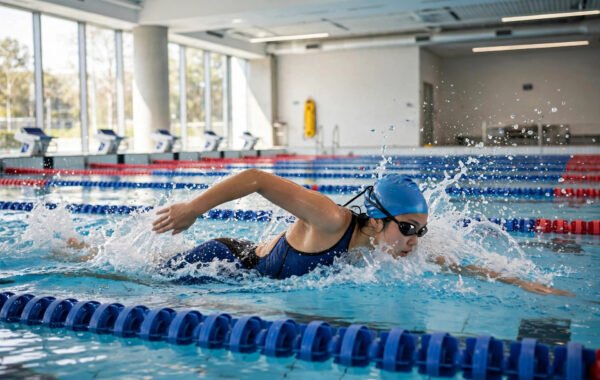
The single most effective change is cutting salt — most of us eat far more than the 6g daily limit, largely hidden in bread, processed food and takeaways. Cooking more from scratch and checking labels can drop your readings noticeably within weeks. Next is movement: 150 minutes of moderate activity weekly (brisk walking counts) reliably lowers blood pressure, and the effect starts within days of becoming active. Weight matters enormously — losing even a few kilos if you’re overweight makes a measurable difference, because it directly reduces the strain on your arteries. Alcohol is a bigger factor than most admit: staying within 14 units a week, with alcohol-free days, helps significantly. And don’t underestimate sleep and stress — chronic poor sleep and constant tension keep blood pressure elevated, so regular sleep hours and genuine downtime aren’t luxuries, they’re treatment.
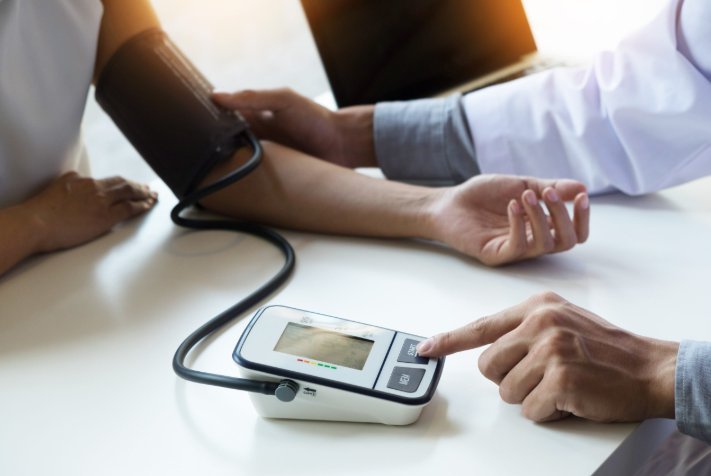
Diet-wise, the DASH-style approach works: plenty of fruit, vegetables and whole grains, less processed food, and potassium-rich foods (bananas, beans, leafy greens) which help balance sodium’s effects. Caffeine affects people differently — if you’re sensitive, that third coffee might be nudging your readings up. Home blood pressure monitors (£20-£40) are worth it: they let you track trends and show your GP real data rather than one nervous surgery reading. Important honesty: lifestyle changes work brilliantly for mildly elevated blood pressure, but if your readings are very high, medication alongside lifestyle changes is the safe route — this isn’t either/or. Never stop prescribed medication without talking to your GP; the goal is needing less of it, decided together.
The bigger picture
Hydration is simpler than the wellness industry suggests: drink water regularly through the day, more in hot weather or when exercising, and don’t wait until you’re thirsty. You don’t need eight glasses as a magic number, and you don’t need expensive bottled water — tap water in the UK is excellent. Pale yellow urine is the practical guide; dark means drink more.
Health anxiety is real and increasingly common, fuelled by symptom-checker rabbit holes at 2am. The internet is brilliant at turning a headache into a catastrophe in your mind. Use reputable sources like the NHS website, avoid forums of worst-case stories, and remember that anxiety itself causes very real physical symptoms. If worry about health is affecting your life, that’s itself worth discussing with your GP.
Building the Habit
Pick one change, not five — salt or walking, say — and nail it for a month before adding the next. Track readings at the same time daily for meaningful trends. Tell your GP what you’re doing; they’ll support it and adjust the plan. Small, sustained changes beat dramatic month-long efforts every time.
Back pain is Britain’s most common reason for work absence, and the old advice — rest in bed — has been thoroughly debunked. For most non-specific back pain, staying active, gentle movement and over-the-counter pain relief work best; long rest makes it worse. See your GP if pain follows trauma, comes with numbness or bladder changes, or doesn’t improve after a few weeks. And beware the scan trap: imaging often shows ‘abnormalities’ that are just normal ageing and lead to unnecessary worry.
Continuity with your GP matters more than most realise. Seeing the same doctor builds a picture of you over time — they notice changes, remember context, and you trust their judgement. When booking, ask for your usual GP for ongoing issues even if the wait is slightly longer; for one-off minor problems, anyone will do. It’s a small habit with outsized benefits.
Pharmacists are the most underused health professionals in the country. For minor ailments — coughs, colds, skin problems, digestive issues, hay fever — a pharmacist can advise and often prescribe without any appointment, and they spot medication interactions GPs might miss. Many pharmacies now offer blood pressure checks and other services too. Before joining the GP phone queue, consider whether the pharmacist can help faster.
Mental and physical health are not separate systems, whatever the appointment booking suggests. Chronic stress raises blood pressure, poor sleep wrecks immunity, and depression often shows up as physical symptoms first. Looking after your mind — through rest, connection, movement and asking for help when needed — is looking after your body. Treat both with the same seriousness.
Second opinions are underused and entirely legitimate. If a diagnosis doesn’t feel right, treatment isn’t working, or you’re facing a major decision, asking another clinician to review is your right — good doctors welcome it. The NHS allows it, and privately it costs less than most people expect. Your health is worth the extra appointment.
Don’t ignore your hearing. Gradual hearing loss creeps up — TV volume rising, asking people to repeat themselves — and it’s linked to social withdrawal and even cognitive decline if left untreated. NHS hearing tests are free via GP referral, and modern hearing aids are discreet and effective. There’s no prize for toughing it out; getting tested early gives the best outcomes. If ears are painful, discharging or suddenly worse, seek prompt care rather than waiting.
Key points at a glance
- Cut salt below 6g/day — hidden salt in processed food is the main culprit.
- 150 minutes of brisk walking weekly lowers BP within days.
- Even modest weight loss measurably reduces arterial strain.
- Keep alcohol within 14 units/week with alcohol-free days.
- Track with a home monitor (£20-£40) and share trends with your GP.
For more on this theme, see How do i get more google reviews for my small business — and if you’re weighing things up, How do i spot an AI generated fake review online lays out the key considerations.
For the official position, see the NHS Live Well hub.
The bottom line
Lower blood pressure without medication by cutting salt, moving daily, managing weight and alcohol, and sleeping properly. It works — but keep your GP in the loop and never stop prescribed medication unilaterally.