
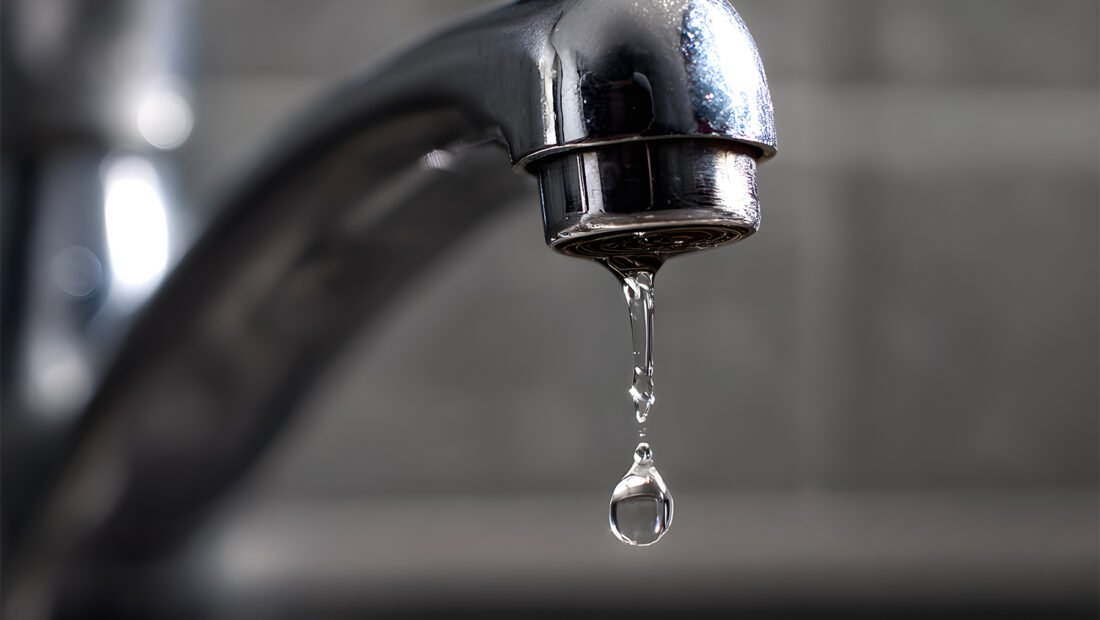
Drip. Drip. Drip. A dripping tap is the Chinese water torture of homeownership — maddening at 3am, wasteful (a drip a second wastes over 5,000 litres a year), and capable of staining your sink or bath permanently. The good news: most dripping taps are a 20-minute fix with basic tools and a part costing less than a fiver. Here’s how to fix a dripping tap without calling a plumber.
How to fix a dripping tap without calling a plumber
First: identify your tap type
Turn the tap handle. If it rotates multiple turns, you have a traditional compression tap (with a rubber washer) — the most common dripper and the easiest fix. If it turns just a quarter-turn from off to full, you have a ceramic disc tap — the fix is replacing the cartridge. Mixer taps are usually ceramic disc; separate hot/cold pillar taps are usually compression.
What you’ll need
- Adjustable spanner or wrench
- Flat-head and cross-head screwdrivers
- Replacement washer (£2 for a multi-pack) or ceramic cartridge (£8–£15 — take the old one to the shop to match it)
- PTFE tape (£1–£2)
- Cloth or towel
Fixing a compression tap (washer replacement)
- Turn off the water. Find the isolation valve under the sink (a small screw or lever on the pipe) and turn it off. No isolation valve? Turn off the mains stopcock — usually under the kitchen sink or by the front door. Run the tap to confirm the water’s off.
- Plug the plughole. Screws love to dive down plugholes. A cloth or the plug itself prevents disaster.
- Remove the handle. Pop off the decorative cap (hot/cold indicator) with a flat screwdriver; undo the screw underneath and lift the handle off.
- Unscrew the valve. Use your spanner on the hexagonal nut (the “gland nut”) and unscrew the tap’s inner valve assembly anticlockwise.
- Replace the washer. At the bottom of the valve you’ll see the old washer, held by a small brass nut. Swap in the new washer — same size, seated flat.
- Reassemble. Wrap a few turns of PTFE tape around the valve threads, screw it back in firmly (not gorilla-tight), refit the handle, and turn the water back on slowly.
- Test. Run the tap, check for drips, check underneath for leaks.
Fixing a ceramic disc tap (cartridge replacement)
The process is similar, but instead of a washer you’re swapping the whole cartridge — a cylindrical unit containing the ceramic discs. Cartridges aren’t universal, so take the old one to the plumbers’ merchant to match the size and spline count. They’re £8–£15, and the swap takes ten minutes once you have the right part.
If it still drips
- Dripping from the spout after a washer change? The valve seat (the surface the washer presses against) may be scored. A tap reseating tool (£10) grinds it smooth.
- Leaking around the handle? The gland packing needs tightening or the O-ring replacing — usually a 5-minute job with the valve removed.
- Dripping from the base of a mixer? The O-rings on the mixer body have perished; replacement O-ring kits cost a few pounds.
- Still stuck? Some mixer taps are sealed units. At that point, a new tap (£40–£100) is cheaper than a plumber’s callout to fight the old one.
When to actually call a plumber
DIY has limits. Call a professional if: there’s no isolation valve and you can’t find the stopcock; pipes are corroded and crumble when touched; the leak is inside the wall or under the floor; or you’re dealing with anything beyond the tap itself. Our guide to finding a reliable tradesperson will help you find someone decent rather than whoever answers first.
While you’ve got the tools out, it’s worth tackling the other small plumbing annoyances: unblocking a slow sink uses the same “turn off, take apart, clean” confidence, and fixing a leaking gutter is the outdoor equivalent of this job.
The tools worth owning
If this is your first plumbing job, three cheap tools will serve you for years:
- Adjustable spanner (£8–£15): get a proper one, not the £3 version that rounds every nut it touches. A 250mm Bahco-style wrench handles 90% of domestic plumbing.
- Basin wrench (£10–£15): the specialist tool for the impossible-to-reach nuts behind basins. You’ll use it twice a decade and be grateful both times.
- Tap reseating tool (£10–£12): grinds scored valve seats smooth. If you’ve replaced a washer and it still drips, this is the fix.
Total investment: under £40 for a toolkit that handles taps, traps and toilets. Compare that to a single £80 callout and the economics are obvious.
When the stopcock won’t turn
The nightmare scenario: water pouring, and the stopcock is seized solid. This happens because stopcocks sit untouched for years. Prevention: turn every stopcock and isolation valve in your house twice a year — open, close, open, leaving it fully open. It takes five minutes and keeps them free. If yours is already seized, don’t force it with all your strength (snapped stopcocks flood houses) — spray with penetrating oil, wait an hour, and try gently with a spanner for leverage. If it won’t budge, that’s genuinely a plumber job — and while they’re there, ask them to fit lever isolation valves on the problem pipes. Which?’s home improvement guides cover finding reputable plumbers if you need one.
Know your water system
One thing that confuses first-time DIY plumbers: the UK has two main domestic hot water setups. Combi boiler systems are mains-pressured — turn off the cold mains and everything stops. Gravity systems (with a cold tank in the loft and hot cylinder in the airing cupboard) need the tank’s gate valve turned off too, or the hot tap keeps running on stored water. If your hot tap won’t stop after closing the mains, look for the gate valve on the pipe from the loft tank. Five minutes of understanding your system prevents the panic of “why won’t it stop?”.
The takeaway
Turn off the water, swap the washer or cartridge, reassemble. Twenty minutes, under £5 in parts, and silence at 3am. The dripping tap is the perfect first plumbing job — low stakes, high satisfaction, and genuinely useful.


2 Comments