I’ll be honest: how do i write an invoice that meets uk requirements is one of those questions I put off far longer than I should have. It sits in the back of your mind, mildly annoying, until one day it actually matters and you wish you’d sorted it weeks ago. The good news is that the answer is far less complicated than most guides make it sound.
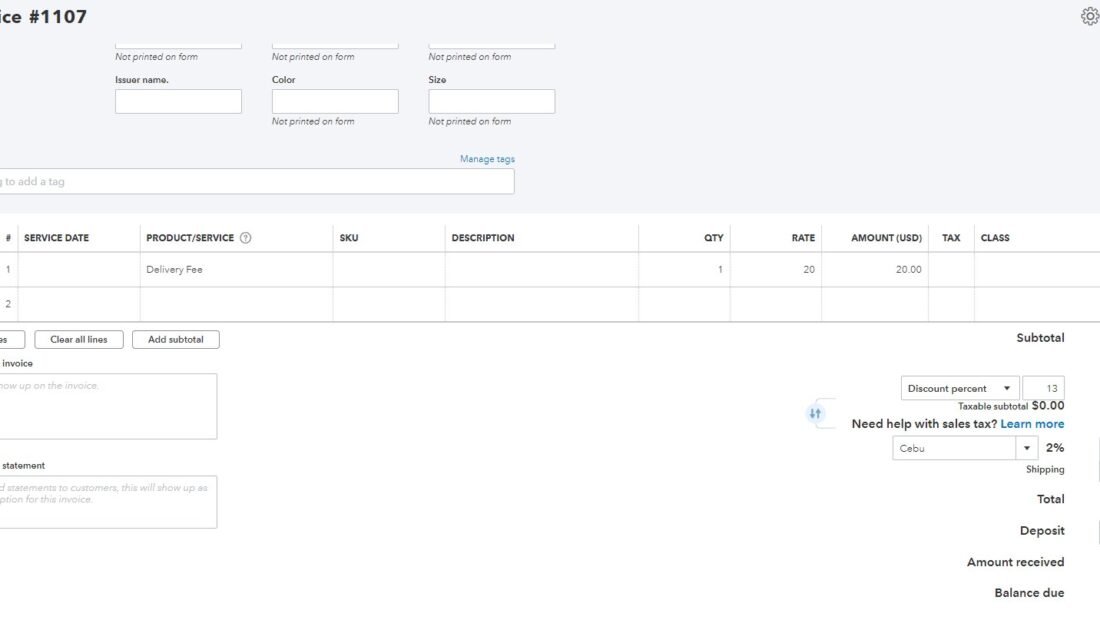
I’ve dug through the options, the fine print and the forum arguments so you don’t have to. What follows is the practical version: what actually works in the UK, what it tends to cost, and the mistakes worth sidestepping. Every invoice needs a unique number, your business name and address, and the date. Let’s get into it properly.
Fair warning: specifics like prices drift over time, so treat any figures here as a guide rather than gospel. The principles won’t go stale, but it’s always worth a quick sanity check on current numbers before you spend money.
How do i write an invoice that meets uk requirements
If you only take one thing from this article, make it this: Every invoice needs a unique number, your business name and address, and the date. Everything else is optimisation. Describe the goods or services clearly with quantities and prices.
I know that sounds almost too simple, but most people who get a bad result here skipped exactly this step. They rushed, picked the first option Google showed them, and paid for it later. Spending ten minutes understanding the basics puts you ahead of most of the market.
There’s no single right answer here, only trade-offs. The people who end up happiest are the ones who match the solution to their actual situation rather than chasing whatever’s fashionable. Keep your own priorities front and centre as you read on.
The details that actually matter
VAT-registered businesses must show their VAT number and the VAT charged. It sounds obvious when you read it, but this is the detail that trips people up most often. They focus on the headline question and miss the practical reality underneath it.
Then there’s this: State your payment terms plainly, 30 days is the UK default expectation. For more on a closely related topic, see our guide to How do i get my first clients as a new freelancer in the uk. Worth keeping in mind as you weigh things up, because it changes which option makes sense for you.
Your step-by-step game plan
Enough theory. Here’s how to actually deal with it, in order:
- Describe the goods or services clearly with quantities and prices.
- VAT-registered businesses must show their VAT number and the VAT charged.
- State your payment terms plainly, 30 days is the UK default expectation.
- Include your bank details to remove any excuse for slow payment.
- Keep copies of every invoice for at least six years for HMRC.
Work through those and you’re in better shape than the vast majority of people dealing with this.
Where people usually go wrong
Here’s where it tends to go sideways for people:
- Skipping written terms because it feels awkward to ask for them.
- Mixing personal and business money from day one.
- Include your bank details to remove any excuse for slow payment.
- Keep copies of every invoice for at least six years for HMRC.
What the adverts don’t tell you
It’s worth lingering on one point: VAT-registered businesses must show their VAT number and the VAT charged. This matters more than it first appears, because it’s the detail that decides whether you’re still happy in six months or quietly regretting the choice. Plenty of guides gloss over it in a sentence; I’d rather you actually absorbed it.
Similarly: Keep copies of every invoice for at least six years for HMRC. Put those two together and the picture gets much clearer than the headline question suggests. Your exact situation will shift the details, but the principle holds: get these two things straight and the decision practically makes itself.
A few extra nuggets worth remembering:
- Remember: Describe the goods or services clearly with quantities and prices.
- Don’t forget: State your payment terms plainly, 30 days is the UK default expectation.
- And finally: Include your bank details to remove any excuse for slow payment.
If all of that sounds like a lot, don’t worry: you don’t need to memorise it. Just keep the two big points above in mind and refer back to the checklist when you’re actually making the decision.
Your options at a glance
You’ve basically got three routes here, and the right one depends on your priorities. VAT-registered businesses must show their VAT number and the VAT charged. Include your bank details to remove any excuse for slow payment.
Whatever you pick, the fundamentals don’t change: State your payment terms plainly, 30 days is the UK default expectation. Get that right and even the budget option works out fine.
Whatever route you take, give it a proper chance before second-guessing yourself. Most options here work fine when given a fair go; it’s the constant chopping and changing that causes the real headaches.
And if you’d like a second opinion from somewhere authoritative, the official GOV.UK guidance covers this well.
A couple of questions that come up a lot:
What do most people overlook?
Include your bank details to remove any excuse for slow payment. Put simply, don’t rush it; the right choice is usually obvious once you’ve compared two or three options side by side.
How long does this usually take to sort out?
Describe the goods or services clearly with quantities and prices. Honestly, most people overthink this part. Pick the sensible middle option and move on with your day.
What would you personally do here?
VAT-registered businesses must show their VAT number and the VAT charged. Put simply, don’t rush it; the right choice is usually obvious once you’ve compared two or three options side by side.
The bottom line: That’s the whole picture. Every invoice needs a unique number, your business name and address, and the date. Handle that bit well and the rest falls into place naturally. You may also want a look at our guide to What happens if my ltd company makes no profit in a year. Also relevant: How do i handle vat on digital products sold to eu customers from.