
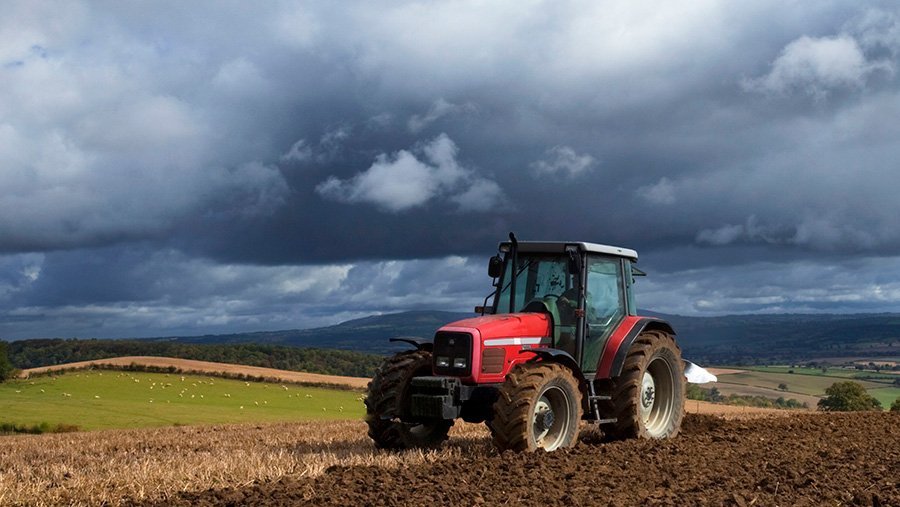
Farming might seem the last place you’d find AI, but British farms are quietly becoming some of the most high-tech workplaces in the country. The combine harvester now has more computing power than the farmhouse.
Here’s how AI is genuinely helping UK farmers right now.
How Is AI Helping Farmers in the UK?
Precision agriculture is the big story: AI analyses satellite imagery, drone footage and soil sensors to tell farmers exactly which parts of a field need water, fertiliser or attention — rather than treating 200 acres as one uniform block. This cuts costs and chemical use simultaneously, which matters as fertiliser prices stay high and environmental rules tighten. In livestock, AI-powered cameras and sensors monitor dairy herds for signs of lameness or illness before a human would notice, and automated milking systems use AI to track each cow’s yield and health. Weed-spraying robots using computer vision can target individual weeds rather than blanket-spraying whole fields — early UK trials show dramatic reductions in herbicide use. And on the business side, AI forecasting helps with the eternal farming gamble: predicting yields, modelling prices and planning cash flow around weather that’s getting less predictable every year.
The barriers are real, though. Rural broadband remains patchy in parts of the UK, and the fanciest AI is useless without connectivity. The kit is expensive — a real concern when farm incomes are squeezed — though costs are falling and some tools now run on an ordinary smartphone. There’s also a skills question: the most successful adopters tend to be younger farmers or those in buying groups that share knowledge. What AI isn’t doing is replacing the farmer’s judgement — knowing the land, reading the weather, making the call on when to harvest. It’s making each of those decisions better-informed. The romantic image of farming is changing, but the core of it — stewardship, timing, nerve — remains stubbornly human.
Some wider context
Hype cycles are worth recognising because AI goes through them relentlessly. Every capability gets announced as revolutionary, then quietly settles into being merely useful. The trick is to ignore both the utopian promises and the doom headlines and ask the boring question: what does this actually do for me this week? Tools that survive that question are the ones worth your time.
AI in education is settling into a sensible middle ground. The schools handling it best aren’t banning it or surrendering to it — they’re teaching pupils to use AI as a study aid while assessing actual understanding through supervised work. If you’re a parent, mirror that approach at home: AI for getting unstuck, then ‘explain it back to me’ to confirm learning happened. The technology isn’t going away, so the skill of using it honestly is the one to build.
What This Means for Food Shoppers
AI-assisted farming should mean more efficient British food production with lower environmental impact — fewer chemicals, less waste, better yields. It won’t make food dramatically cheaper on its own, but it helps UK farms stay competitive against imports. If you buy British, you’re increasingly buying AI-assisted — and that’s something to feel good about, not suspicious of.
Verification is the unglamorous discipline that separates good AI users from dangerous ones. AI is optimised to sound plausible, not to be right, and its errors are confident — wrong dates, invented citations, subtly off advice. For anything that matters — facts you’ll publish, numbers you’ll rely on, advice you’ll act on — check against a trusted source. Make it a reflex, not an afterthought.
The privacy habit to build now is simple: pause before pasting. Every AI tool has terms about data retention, and the defaults usually favour the company, not you. Check whether there’s an opt-out for training, prefer tools with clear data policies, and keep genuinely sensitive material — health details, financial data, other people’s information — out of chat boxes entirely. These habits take seconds and prevent problems that take months to fix.
Keeping your human skills sharp matters more as AI improves. Writing, mental arithmetic, navigating without GPS, having difficult conversations — these atrophy with disuse, and they’re precisely the skills that make you valuable alongside AI rather than replaceable by it. Use AI to handle drudgery, but deliberately practise the thinking it can’t do for you. The goal is augmentation, not atrophy.
For jobseekers, AI has quietly rewritten the rules of applications. Assume software reads your CV before a human does: standard headings, keywords from the advert, simple formatting. Then write for the human who comes second — specific achievements, real numbers, genuine motivation. The candidates winning now are those who speak both languages: machine-readable structure, human-readable substance.
Scepticism about AI claims is a healthy default with a long pedigree. We’ve been promised revolutionary AI breakthroughs every decade since the 1960s; most arrived late, smaller than advertised, and still genuinely useful. When you hear a dramatic claim — about jobs, capabilities or timelines — ask who benefits from your belief and what the track record of similar predictions is. Calm, evidence-based expectations beat both hype and panic every time.
AI and children deserves its own thought. Kids are growing up with AI companions, homework helpers and synthetic media as background normality — which makes critical thinking about it a core parenting task, not a school-only topic. Talk about what AI is, model checking its outputs, and set boundaries around data sharing early. The children who thrive will be those taught to question the machine, not just use it.
Quick recap
- Precision farming: AI targets water and fertiliser field-by-field, cutting waste.
- Livestock monitoring spots illness early via cameras and sensors.
- Weed robots target individual weeds, slashing herbicide use.
- Barriers: rural broadband, equipment costs, skills gaps.
- AI informs the farmer’s judgement — it doesn’t replace it.
Related reading: What are the early signs of type 2 diabetes i should watch for walks through a neighbouring topic step by step, and How can i use AI to help write my CV covers what to do when things get complicated.
The official guidance at the Information Commissioner’s Office guidance on your data rights is the definitive source here.
For trusted background reading, the NHS website covers this in depth.
Wrapping up
AI is helping UK farmers cut costs and chemical use through precision agriculture, livestock monitoring and forecasting. The farmer’s judgement stays central — the technology just makes it better informed.


1 Comment