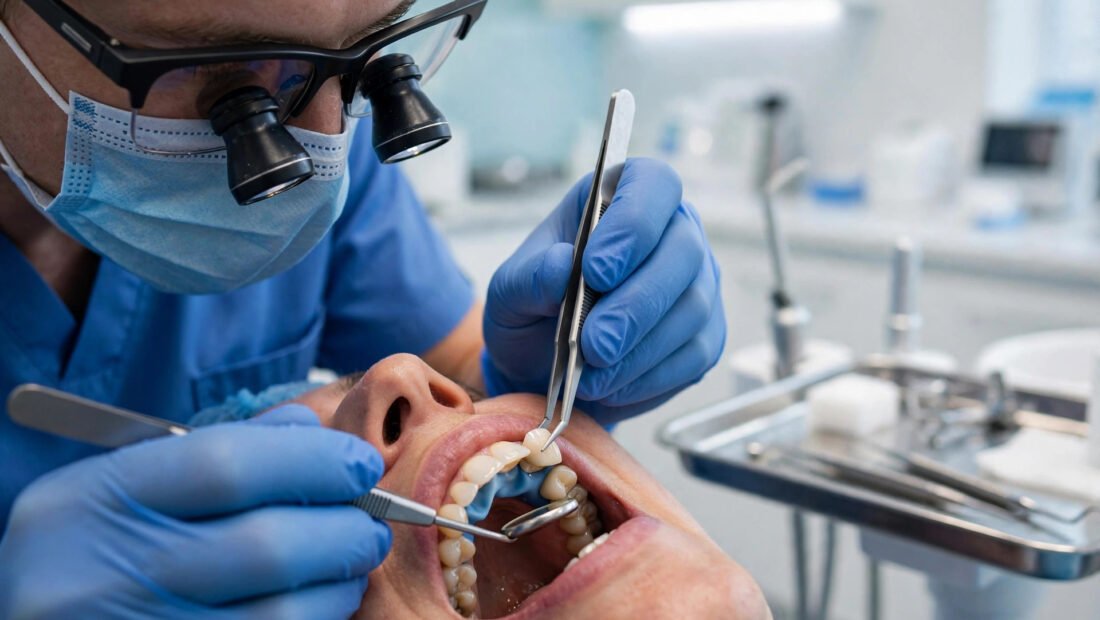
How long do crowns last? Dental crowns typically last 10 to 15 years, although many last 20 to 25 years or longer with good care. Gold and porcelain-fused-to-metal crowns tend to have the longest lifespans, while all-ceramic crowns average around 10 to 15 years. In England, an NHS crown falls under the Band 3 treatment charge (around £320 — check the current rate on the NHS website), whereas private crowns cost roughly £400 to £1,200 or more depending on the material. What ultimately decides how long your crown lasts is a mix of the material, the skill of the dentist, and — most importantly — how well you look after it.
How Long Do Crowns Last? Lifespan by Material
Not all crowns are made equal. Here is how the main types compare:
- Gold alloy crowns: 20–30+ years. Gold is exceptionally durable and gentle on opposing teeth, but its colour limits it to back molars for most patients.
- Porcelain-fused-to-metal (PFM): 10–15+ years. Strong and natural-looking, though the porcelain layer can chip and a dark line may show at the gum over time.
- Zirconia crowns: 15–20+ years. Very strong, tooth-coloured, and increasingly the default choice for both front and back teeth.
- E-max (lithium disilicate): 10–15 years. Beautifully lifelike for front teeth, but slightly less suited to heavy biting forces at the back.
- Composite resin crowns: 5–7 years. Cheaper and quicker to fit, but they wear and stain faster — usually a temporary or budget option.
These are averages from clinical studies: individual crowns frequently outlast them, and a well-made zirconia or gold crown on a healthy tooth can genuinely last a lifetime.
What Makes a Crown Last Longer — or Fail Sooner?
The material matters less than most people think. The biggest factors determining how long crowns last are:
- Oral hygiene. A crown itself cannot decay, but the natural tooth underneath it absolutely can. Decay at the margin where crown meets tooth is the number one reason crowns fail early.
- Teeth grinding (bruxism). Night-time grinding puts enormous force on crowns and can crack porcelain. If you grind, a custom night guard (around £100–£300 privately) pays for itself many times over.
- Diet and habits. Chewing ice, opening packaging with your teeth, and biting pens chip crowns. Very hard foods like unpopped popcorn kernels are a common culprit.
- The health of the underlying tooth. A crown on a tooth with a good root filling and solid structure lasts far longer than one placed on a compromised tooth.
- Fit and craftsmanship. A precisely fitted crown from an experienced dentist seals out bacteria; a poor fit invites decay from day one.
Signs Your Crown Needs Replacing
Crowns rarely fail dramatically overnight — they usually give warnings. Book a dental appointment if you notice:
- Pain, sensitivity or a throbbing ache around the crowned tooth
- The crown feels loose, wobbly or has shifted position
- A visible chip, crack or dark line at the gum edge
- Food repeatedly getting trapped around the crown
- Bad taste, odour or swelling in the nearby gum
- The bite feels different when you chew
A loose or damaged crown left in place allows bacteria underneath, which can destroy the remaining tooth surprisingly quickly. Most dentists can assess and replace a failing crown in two appointments.
How to Make Your Crown Last as Long as Possible
Treat a crowned tooth like a natural tooth — because the part that matters still is one:
- Brush twice daily with fluoride toothpaste and clean between teeth with floss or interdental brushes, paying special attention to the crown’s gumline.
- See your dentist and hygienist regularly — every six to twelve months — so small problems are caught early.
- Wear a night guard if you grind or clench your teeth.
- Avoid chewing ice, hard sweets and non-food objects.
- Do not use your teeth as tools for opening packets or bottles.
- If you play contact sports, wear a properly fitted mouthguard.
NHS vs Private Crowns in the UK
On the NHS in England, crowns are available when clinically necessary and fall under the Band 3 charge — a single fixed fee covering the examination, X-rays, the crown itself and fitting (check the current NHS dental charges before booking, as they are reviewed annually). NHS crowns are typically porcelain-fused-to-metal or, for front teeth, all-ceramic. Private crowns offer a wider choice of materials — full zirconia, E-max and gold — plus more appointment time, at roughly £400–£1,200+ per tooth. The lifespan difference between NHS and private is less about the setting and more about the material chosen and the aftercare you commit to. Scotland, Wales and Northern Ireland have different charging structures, so check your nation’s guidance.
How Long Do Crowns Last on Front Teeth vs Molars?
Position matters. Front-tooth crowns (usually E-max or layered zirconia) last around 10–15 years — they endure less biting force but face higher aesthetic demands, and gum recession over time can expose an unsightly margin line. Molar crowns take far heavier chewing loads, so dentists favour stronger materials there: zirconia or gold, which commonly reach 15–30 years. A molar crown is also easier to keep — it is less visible, so minor wear goes unnoticed. When discussing options with your dentist, ask what material they recommend for that specific tooth’s position, not just what looks best on the day.
Frequently Asked Questions
Can a crown last 30 years?
Yes — particularly gold crowns, which routinely reach 25–30 years, and well-made zirconia crowns on healthy teeth. Reaching that milestone requires excellent hygiene, regular check-ups and no grinding habit.
Do crowns need to be replaced, or can they be repaired?
Small porcelain chips can sometimes be polished or repaired with composite, but a loose, cracked or decayed-underneath crown must be replaced. Your dentist will advise based on X-rays and examination.
Does getting a crown hurt?
The procedure is done under local anaesthetic, so you should feel pressure but not pain. Some sensitivity to hot and cold for a few days afterwards is normal and usually settles on its own.
Can you get a crown on the NHS?
Yes, when your dentist judges it clinically necessary — for example, to protect a tooth after root canal treatment or to restore a badly broken tooth. Purely cosmetic crowns are not available on the NHS.
Conclusion
How long do crowns last? A decade at minimum, two decades with decent care, and potentially a lifetime with the right material and habits. Choose your material wisely, protect the tooth underneath with meticulous hygiene, guard against grinding, and keep your check-ups. Do that, and your crown is far more likely to outlast its warranty than to need early replacement.