You should wait 30–60 minutes after exercising to eat a full meal, though a small protein-rich snack within 30 minutes is ideal for recovery. After intense training, your body is primed to absorb nutrients, so timing your post-workout meal well helps rebuild muscle and restore energy. The exact wait depends on the workout type, your goals and how your stomach feels — here is the full breakdown.
How Long to Wait After Different Types of Exercise
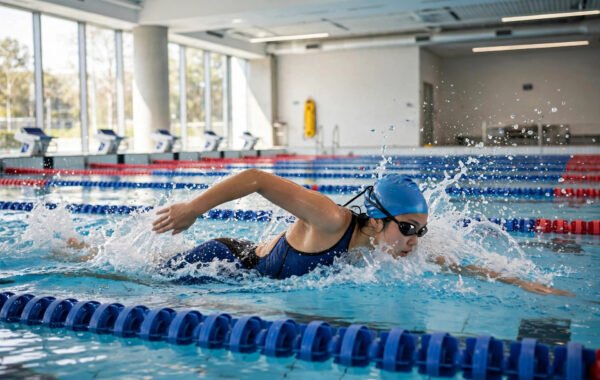
For moderate workouts such as a 30-minute jog, a swim or a gym session, eating within 30–60 minutes afterwards is the sweet spot. Your muscles are most receptive to protein and carbohydrates in this window, and delaying much beyond two hours can slow recovery. If you trained hard — heavy lifting, interval sprints or a long run — aim for the shorter end of that window, ideally a proper meal within 45 minutes.
After light activity such as yoga, walking or gentle stretching, there is no strict rule; eat when you are hungry. Your body has not depleted its glycogen stores significantly, so the timing matters far less. The NHS guidance on exercise and healthy eating emphasises overall balanced nutrition across the day rather than obsessing over exact minutes, which is worth remembering if timing a meal precisely is stressing you out.
What to Eat After Exercising
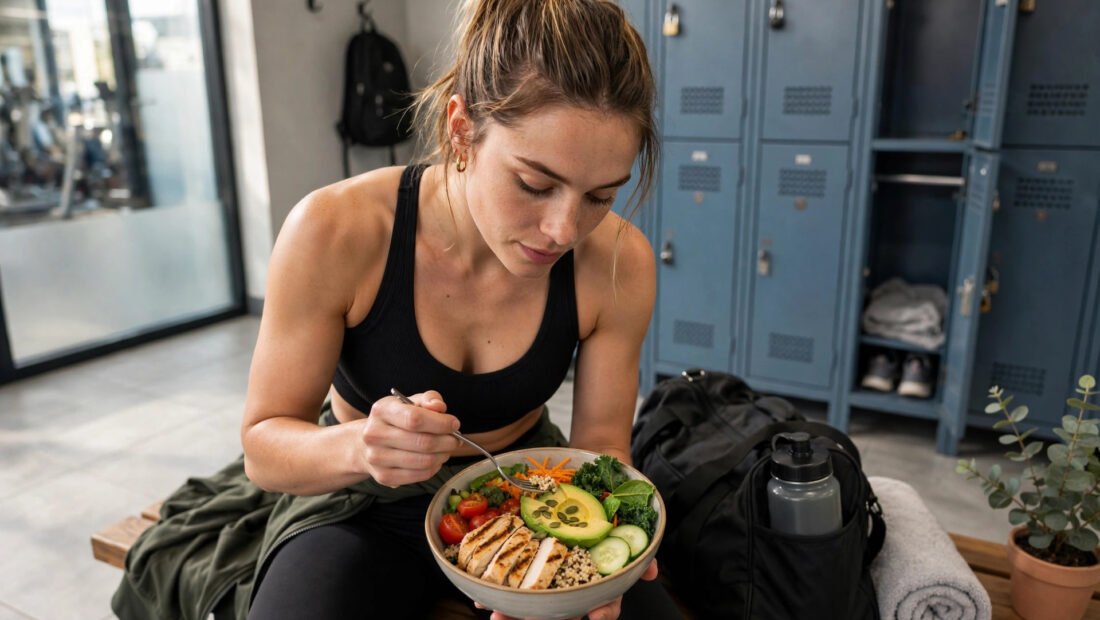
A good post-workout meal combines protein for muscle repair with carbohydrates to replenish energy stores. Practical UK-friendly options include chicken and rice, a tuna jacket potato, porridge with Greek yoghurt and berries, or eggs on wholemeal toast. Aim for roughly 20–40g of protein and a solid portion of carbs, scaled to your body size and workout intensity.
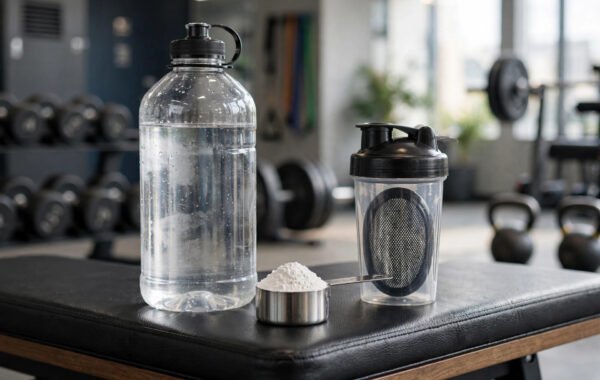
If a full meal is not possible straight away, a snack within 30 minutes bridges the gap: a banana with peanut butter, a protein shake, chocolate milk or a handful of nuts with dried fruit. Avoid very fatty or high-fibre meals immediately after intense exercise, as they slow digestion when your blood is still directed toward your muscles. And rehydrate — drink 500ml to 1 litre of water for every hour of exercise, more in hot weather.
When You Should Eat Sooner — or Later
Eat sooner (within 15–30 minutes) if you trained fasted in the morning, did a session longer than 90 minutes, train twice a day, or feel shaky, dizzy or unusually hungry. These are signs your blood sugar needs topping up, and delaying food can leave you feeling rough for hours.
It is fine to wait longer — up to 2 hours — if you had a proper pre-workout meal 2–3 hours before training, the session was light, or you simply do not feel hungry. Appetite suppression after intense exercise is normal and usually passes within an hour. The key rule: never force food when you feel nauseous, but do not skip eating entirely after a hard session either.
Post-Workout Eating Tips
- Prep ahead: have your post-workout meal ready before you train so you are not cooking while starving.
- Prioritise protein: 20–40g within the first hour supports muscle repair far better than carbs alone.
- Do not skip carbs: especially after endurance training, carbs refill the glycogen you burned.
- Rehydrate first: drink water before and alongside your meal; dehydration masks itself as hunger.
- Listen to your body: persistent nausea, dizziness or fatigue after eating may mean you need medical advice — speak to your GP if it keeps happening.
- Think daily totals: one perfectly timed meal cannot rescue an otherwise poor diet; consistency beats precision.
Sample Post-Workout Eating Schedule
Putting it together, here is what a well-timed day looks like around an evening gym session. Two to three hours before training, eat a balanced meal — for example, chicken stir-fry with rice or a large jacket potato with beans. This tops up glycogen so you train with energy. Within 30 minutes of finishing, have a quick snack: a protein shake with a banana works well and is easy to carry in your gym bag.
Then, 45–60 minutes after training, sit down to your main post-workout meal — something like salmon, sweet potato and greens, or a hearty omelette with wholemeal toast. This two-stage approach (snack then meal) suits people who feel too queasy to eat a full dinner immediately after hard exercise. On rest days, simply eat normally; your muscles continue recovering for 24–48 hours, so keep protein intake steady at roughly 1.6–2.2g per kilogram of body weight across the day.
Frequently Asked Questions
Is it bad to eat immediately after working out?
No — eating straight after exercise is fine as long as your stomach can handle it. If you feel fine, a meal or snack within 30 minutes is actually ideal for recovery after intense training.
Can I wait 2 hours to eat after a workout?
Yes, if the workout was light or you ate well beforehand. After hard training, though, try not to go beyond 1–2 hours without protein, as muscle recovery is most efficient soon after exercise.
What happens if I don’t eat after exercising?
Skipping post-workout food can slow muscle recovery, prolong fatigue and increase next-day soreness. Regularly training hard without refuelling may also weaken your immune system over time.
Should I eat protein before or after a workout?
Both help, but post-workout protein is more important for recovery. A protein-rich meal 2–3 hours before training plus protein within an hour after covers you from both sides.
The Bottom Line
Wait 30–60 minutes after exercising for a full meal, with a quick protein snack within 30 minutes if you trained hard. Match your timing to the workout’s intensity, eat a proper balance of protein and carbs, and remember that consistent daily nutrition matters more than any single perfectly timed meal.