
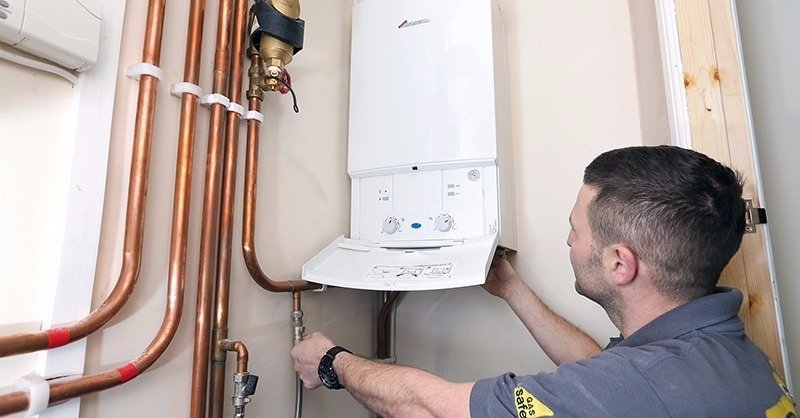
It’s one of those jobs that’s easy to put off until the heating dies on the coldest night of the year — and then you’re paying emergency callout rates and shivering under a duvet. An annual boiler service is the single most cost-effective thing you can do for your heating system. So how much does a boiler service cost in the UK? Less than you probably fear, and considerably less than the breakdown it prevents.
How much does a boiler service cost in the UK?
A standard gas boiler service costs £80–£130 in most of the UK, with London and the South East at the top end (£120–£160) and the North and Midlands typically £70–£100. Oil boiler services cost more — usually £120–£180 — because they take longer and involve more parts. LPG boilers sit in a similar bracket to oil.
British Gas and other big providers offer one-off services around £100–£130, while independent Gas Safe engineers often come in at £70–£100. Service plans (monthly cover including the annual service) run £15–£30 a month — worth it for older boilers, questionable maths for newer ones under warranty.
What the service actually includes
A proper service isn’t a quick glance. A Gas Safe engineer should:
- Visually inspect the boiler and flue for damage, corrosion and leaks
- Remove and clean the burner, heat exchanger and other key components
- Check gas pressure, flow rate and combustion efficiency
- Test all safety devices and controls
- Check the flue terminals and seals
- Issue a service record (keep this — it matters for warranty claims)
The whole thing takes 30–60 minutes for a combi boiler. If your “service” took ten minutes and involved no tools, you didn’t get a service — you got a safety check at best. Always use a Gas Safe registered engineer — it’s a legal requirement for gas work, and you can verify any engineer on the register.
Why it pays for itself
Three reasons, in order of financial impact:
- Warranty protection. Most boiler warranties (typically 5–10 years) require annual servicing by a qualified engineer. Miss a year and your £2,500 boiler’s warranty can be voided — manufacturers do check.
- Efficiency. A serviced boiler runs at its designed efficiency; a neglected one can lose 5–10% efficiency, adding £50–£100 a year to gas bills. If you’re also bleeding your radiators and managing heating sensibly, the savings stack up.
- Breakdown prevention. Engineers spot failing parts — a weeping seal, a corroding electrode — before they become a £300 emergency callout on a Sunday in January.
When to book (timing matters)
Book your service in late summer or early autumn — August to October. Engineers are quieter, you’ll get your pick of appointment times, and any problems get fixed before you actually need the heating. Book in December and you’ll wait weeks and pay more. Set a recurring reminder; the number of warranties voided by a missed year is genuinely sad.
Service vs repair vs replace
A service is maintenance, not a fix — if your boiler is already misbehaving (losing pressure, making kettling noises, cutting out), you need a repair visit, not a service. And if your boiler is 12–15+ years old and repairs are getting frequent, the economics start favouring replacement. Our guide to boiler replacement costs breaks down when to stop repairing and start replacing, and whether a combi boiler suits a small house if you’re considering the switch.
For rented properties, note that landlords are legally required to arrange annual gas safety checks — a different (and more limited) thing than a full service, but the landlord’s responsibility, not yours. GOV.UK explains landlords’ gas safety duties in full.
What a service won’t catch
An annual service is essential, but it’s not a full health MOT. Things it typically won’t flag until they fail:
- System sludge: magnetic filters catch some, but a heavily sludged system needs a powerflush (£300–£500) — ask your engineer about system water quality if radiators have cold spots.
- External controls wiring: the service covers the boiler; the thermostat wiring and programmer are separate. If your heating behaves erratically, the fault is often in the controls, not the boiler.
- Underlying sizing issues: a service won’t tell you your boiler is oversized and short-cycling — but your gas bills might. Our boiler sizing guide explains why it matters.
- Pipework condition: corroding copper and weeping joints outside the boiler casing aren’t the service engineer’s remit.
Service plans: worth it or not?
The big providers push monthly cover plans (£15–£30/month) hard. The honest maths: for a new boiler under warranty, a plan is poor value — the warranty already covers breakdowns, so you’re paying £200+/year for an £80 service. For a boiler aged 8–15 years, a plan can make sense — one £300 breakdown callout plus the annual service roughly equals the yearly cost, and you get priority callouts in winter. For ancient boilers, put the plan money toward replacement instead — insurers know the failure odds better than you do, and they’ve priced the plan accordingly. Whatever you choose, read the exclusions: sludge damage, pre-existing faults and “beyond economical repair” get-outs are standard.
Reading the service report
After the service, you should receive a written report — and it’s worth actually reading. What to look for: combustion readings (CO/CO2 ratios — the engineer checks these are within safe limits); gas pressure readings at the meter and the boiler (a significant drop between the two suggests undersized pipework); advisories — parts showing wear that aren’t failing yet (a weeping seal, a noisy fan bearing). Advisories are the valuable bit: they’re the 6–12 month warning that lets you plan a repair rather than suffer a breakdown. If your report is a one-line “all OK” with no readings, you paid for a safety check, not a service — and you should say so. A proper service generates paperwork; keep it with the boiler’s manual for warranty purposes.
The takeaway
A boiler service costs £80–£130, takes under an hour, protects your warranty, keeps efficiency up and catches problems before they become emergencies. Book it in autumn, use a Gas Safe engineer, and keep the paperwork. It’s the cheapest peace of mind in homeownership.


2 Comments