
Cholesterol-lowering spreads make big promises, but the real workhorses are ordinary foods you’ve walked past a thousand times. The evidence for diet is genuinely strong.
Here are the foods that help lower cholesterol naturally, and how to eat more of them.
What Foods Help Lower Cholesterol Naturally?
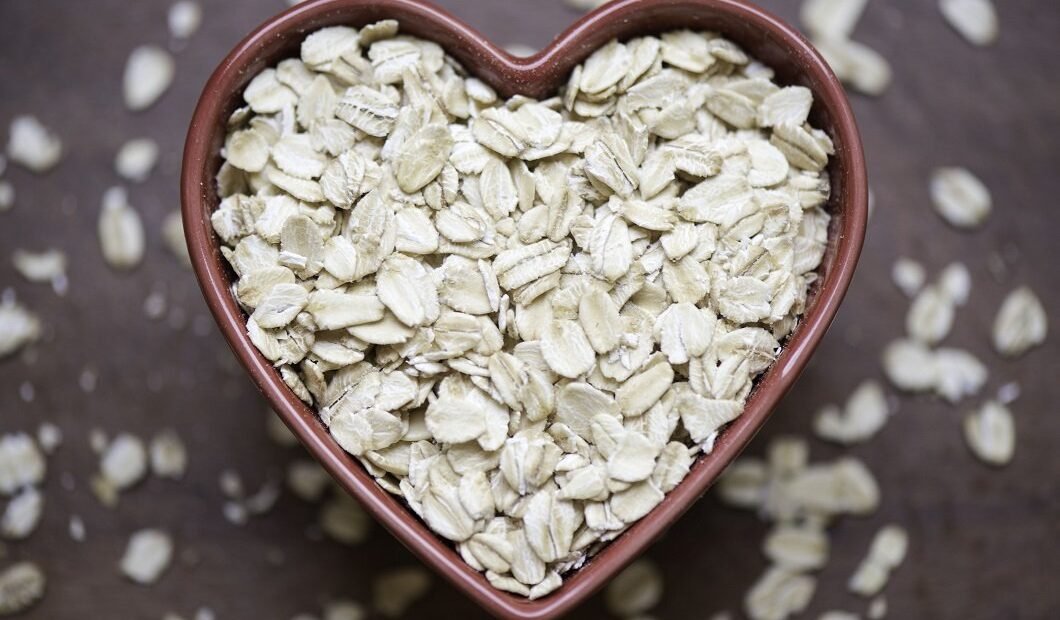
Oats top every credible list — the soluble fibre (beta-glucan) in porridge binds cholesterol in the digestive system, and 3g daily (a decent bowl) makes a measurable difference. Beans, lentils and chickpeas work the same way and are among the cheapest healthy foods in Britain. Nuts — a small handful of almonds or walnuts daily — consistently lower LDL in studies; the calories mean portion discipline matters, but the effect is real. Oily fish (salmon, mackerel, sardines) twice a week helps, partly through omega-3s and partly by displacing less healthy proteins. Fruit and vegetables contribute soluble fibre too — apples, pears, citrus and aubergines are particularly good. Soya foods (tofu, soya milk, edamame) have a modest but genuine effect. And cooking with olive or rapeseed oil instead of butter or coconut oil shifts your fat profile in the right direction without any sense of deprivation.
Just as important is what these foods replace. Every meal built around beans, oats or fish is a meal not built around processed meat, pastries or deep-fried food — the saturated fat reduction does as much work as the fibre addition. You don’t need a radical diet overhaul: porridge for breakfast, lentil soup for lunch a few times a week, nuts instead of crisps, oily fish twice weekly, and olive oil in cooking covers most of it. Be honest about the limits, though: diet typically lowers LDL by 10-15%, which is meaningful but may not be enough if your cholesterol is very high or your overall cardiovascular risk is elevated — statins exist for good reason and work alongside diet, not against it. Get your cholesterol rechecked after three months of consistent changes so you and your GP can see what’s working and decide next steps together.
The bigger picture
Winter hits British health harder than we admit — darker days, less movement, more indoor bugs, lower vitamin D. Going into autumn with a plan (flu jab booked, vitamin D started, exercise routine that survives dark evenings, social contact maintained) prevents the annual slump rather than just enduring it. Seasonal preparation beats seasonal repair.
Pharmacists are the most underused health professionals in the country. For minor ailments — coughs, colds, skin problems, digestive issues, hay fever — a pharmacist can advise and often prescribe without any appointment, and they spot medication interactions GPs might miss. Many pharmacies now offer blood pressure checks and other services too. Before joining the GP phone queue, consider whether the pharmacist can help faster.
The Shopping List
Porridge oats, mixed beans and lentils, almonds or walnuts, tinned sardines/mackerel, apples and pears, soya milk, olive or rapeseed oil. That’s the core of a cholesterol-friendly kitchen for under £20 — no special health-food shops required.
Walking remains the most underrated exercise in Britain. It’s free, needs no equipment, is gentle on joints, and brisk walking counts fully toward the 150 weekly minutes of moderate activity the guidelines recommend. A daily 20-minute walk improves heart health, mood, sleep and blood sugar control — more than almost any supplement ever will. The best exercise is the one you’ll actually do, and walking passes that test for most people.
Antibiotics only work on bacterial infections — not colds, flu or most sore throats — and demanding them ‘just in case’ fuels the resistance that makes future infections harder to treat. Trust your GP or pharmacist when they say you don’t need them; it’s evidence-based care, not dismissal. When you are prescribed antibiotics, finish the course as directed and never share leftover pills. This is one area where individual restraint genuinely protects everyone.
Sleep is the foundation everything else rests on, and modern life attacks it from all sides — screens, stress, caffeine, alcohol. The basics work: consistent bedtimes, a cool dark room, winding down without screens, and keeping caffeine to the morning. If you fix one health habit this year, make it sleep; the knock-on effects on mood, weight, immunity and blood pressure are enormous.
Hydration is simpler than the wellness industry suggests: drink water regularly through the day, more in hot weather or when exercising, and don’t wait until you’re thirsty. You don’t need eight glasses as a magic number, and you don’t need expensive bottled water — tap water in the UK is excellent. Pale yellow urine is the practical guide; dark means drink more.
Health anxiety is real and increasingly common, fuelled by symptom-checker rabbit holes at 2am. The internet is brilliant at turning a headache into a catastrophe in your mind. Use reputable sources like the NHS website, avoid forums of worst-case stories, and remember that anxiety itself causes very real physical symptoms. If worry about health is affecting your life, that’s itself worth discussing with your GP.
Alcohol guidance is worth an honest look: the UK chief medical officers advise no more than 14 units a week, spread out, with alcohol-free days. Many people drink double that without realising — wine glass sizes have grown enormously. A month of tracking honestly (there are free apps) is eye-opening, and most people who cut back report better sleep and energy within weeks.
Key points at a glance
- Oats (beta-glucan fibre): a daily bowl measurably lowers LDL.
- Beans, lentils, chickpeas: cheap soluble-fibre powerhouses.
- Handful of almonds/walnuts daily; oily fish twice a week.
- Swap butter for olive/rapeseed oil; soya foods help modestly.
- Diet lowers LDL ~10-15% — statins still needed for high-risk cases.
If you found this useful, our guide on How long does it take to get a GP appointment in the UK right now digs deeper into a related question, while How do i find a good accountant for a small business in the UK answers the follow-up most readers ask next.
For the official position, see the NHS Live Well hub.
The bottom line
Lower cholesterol naturally with oats, beans, nuts, oily fish and olive oil — replacing processed and fatty foods matters as much as adding good ones. Recheck levels after three months with your GP to see what’s working.

1 Comment