
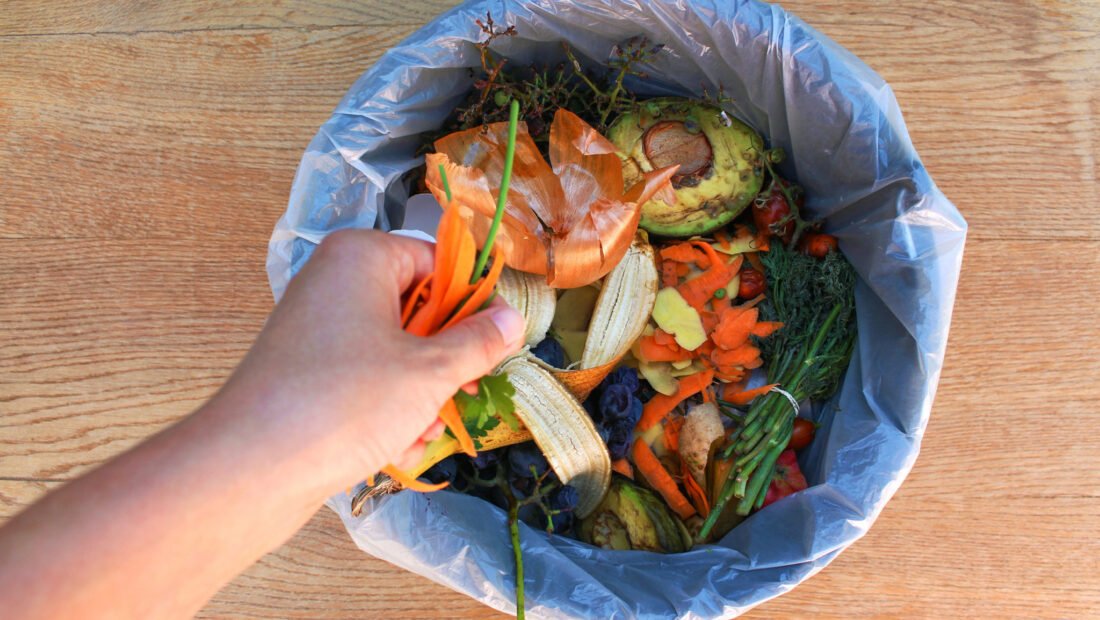
The average UK household bins around £500-700 of edible food every year — that’s not a statistic, that’s a holiday, or six months of energy bills, rotting in the bin. Learning to reduce food waste in my kitchen started for me as a money-saving experiment and turned into one of the most satisfying habit changes I’ve made. Less waste, lower bills, and honestly, better food. Here’s what actually works, in order of impact.
1. Plan Before You Shop (The 80/20 Fix)
Most food waste starts at the supermarket, not in the kitchen. We buy aspirationally — the salad we’ll definitely eat, the exotic ingredient for a recipe we’ll never cook — and it dies quietly in the fridge. The fix is unglamorous: plan 3-4 dinners, write a list, and shop from it.
I do a “shop from the kitchen first” routine every Sunday: check what’s already in the fridge, freezer and cupboards, plan meals around what needs using, then list only the gaps. It takes ten minutes and it’s the single highest-impact change. This is the same discipline behind cutting a weekly food shop to under £60 — waste and overspending are the same problem wearing different hats.
Also: never shop hungry. It’s cliché because it’s true. A hungry shopper buys 20% more, and most of the extra is the perishable stuff that becomes waste.
2. Master Your Fridge
Your fridge has zones, and most of us use them wrong. The door is the warmest part — fine for condiments, terrible for milk. Dairy belongs on the middle shelves; raw meat goes on the bottom shelf (so it can’t drip onto anything); salad drawers are for salad, with the humidity slider closed for leafy greens.
Temperature matters more than people think: your fridge should be at 0-5°C, ideally around 3°C. Above 5°C, food spoils dramatically faster. Stick a cheap fridge thermometer in there — I was shocked to find mine running at 8°C, silently halving the life of everything inside.
And learn the storage tricks that double shelf life: herbs in a glass of water like flowers (covered loosely with a bag) last two weeks instead of three days — our full guide to storing fresh herbs so they last longer covers this properly. Berries unwashed until use. Mushrooms in paper bags, not plastic. Spring onions regrow in water on the windowsill — genuinely, you can harvest them three or four times from one bunch.
3. Understand Dates (Stop Binning Good Food)
Date-label confusion is one of the biggest drivers of household waste. Quick recap: use-by is about safety (respect it on meat, dairy, ready meals); best-before is about quality (pasta, tins, biscuits are fine long after). Our detailed guide on whether it’s safe to eat food past its use-by date covers the full rules, but the headline is: stop throwing away best-before food that’s perfectly fine.
The freezer is your time machine here. Anything approaching its use-by date can be frozen — meat, bread, milk, cheese, even eggs (cracked into containers). The clock stops the moment it freezes. I keep a “freeze it Friday” habit: anything that won’t get eaten over the weekend goes in the freezer, labelled with the date.
4. Love Your Leftovers
Leftovers aren’t sad remnants; they’re pre-prepped ingredients. The trick is storing them properly: cool within an hour, refrigerate in clear containers (so you can see what’s there — mystery tubs get binned), and eat within 2-3 days. Label with masking tape and a marker; “what is this?” is the question that precedes binning.
Build a repertoire of “use-it-up” meals: fried rice (any veg + egg + soy sauce), frittata (any veg + cheese + eggs), soup (any veg + stock + blender), and pasta (any veg + tinned tomatoes + garlic). These four dishes absorb almost anything the fridge throws at them. Roast chicken becomes soup, then stock; stale bread becomes breadcrumbs, croutons or bread-and-butter pudding. Nothing needs a recipe — just the habit of asking “what can this become?” before “should I bin this?”
5. Buy Differently
Some waste is designed in at the shop. Oversized “value” packs of salad that wilt before you finish them aren’t value at all. Buy loose where you can, so you take exactly what you’ll use. Choose smaller loaves if bread goes stale. And embrace imperfect produce — wonky veg boxes are cheaper and identical in nutrition.
Apps like Too Good To Go (surprise bags from shops and restaurants at closing time) and Olio (neighbours sharing surplus food) turn other people’s waste into your cheap dinner. They’re genuinely good — I’ve had £3 bags worth £15 of food, and it feels like a treasure hunt.
Compost the Unavoidable
Even the best-run kitchen produces some waste: peelings, coffee grounds, eggshells, the bits nobody eats. If your council offers food waste collection (most UK councils now do), use it — it’s the easiest win available. If not, a small kitchen caddy with compostable liners keeps things smell-free, and the contents become compost rather than landfill methane. Bokashi bins and wormeries work even in flats with no garden, turning scraps into plant food for your windowsill herbs. It’s the last step of the waste hierarchy: prevent first, but compost what you can’t prevent.
Reduce Food Waste: What the Numbers Look Like
A household that plans meals, manages the fridge, freezes aggressively and cooks use-it-up meals typically cuts its food waste by half or more. On an £80-a-week shop, that’s £15-20 a week back in your pocket — £800-1,000 a year. The Love Food Hate Waste campaign has free meal planners and portion calculators that make the planning part painless.
Reducing food waste in your kitchen isn’t about perfection or guilt — it’s about a handful of systems that run in the background. Plan a little, store smart, freeze boldly, and love your leftovers. The planet benefits, but honestly, your bank balance will convince you faster.
Start this weekend: one fridge audit, one use-it-up meal, one thing frozen instead of binned. That’s it. The systems build from there — and in a month, you’ll open the fridge and see ingredients instead of guilt.
The kitchen systems that make it automatic
Willpower fails; systems don’t. The single best one is the “eat me first” box — a clear container at the front of the fridge for anything that needs using in the next day or two. Half a pepper, the last of the yoghurt, Sunday’s leftovers: if it’s in the box, it gets eaten. Pair it with first-in, first-out shelving (new shopping goes behind, older stuff in front) and a weekly use-up meal — stir-fry, soup, frittata or curry made entirely from what’s left. Clear containers beat opaque ones every time: food you can’t see may as well not exist. Our £60 weekly shop guide shows how planning and waste-cutting work together, and Love Food Hate Waste has portion calculators if you’re consistently cooking too much.


1 Comment