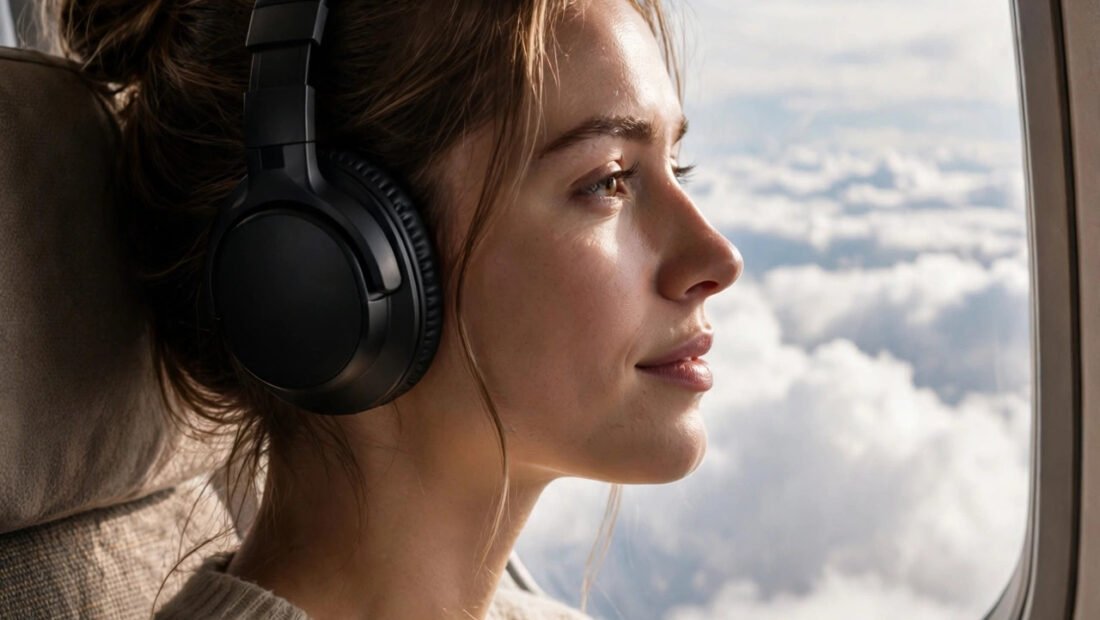
To cope with emetophobia on a plane, prepare with a combination of practical strategies and anxiety-management techniques: choose an aisle seat near the front, bring distraction tools (noise-cancelling headphones, films, games), use grounding and breathing exercises during turbulence, and consider speaking to your GP about short-term anti-anxiety options before you fly. Most people with emetophobia — the intense fear of vomiting — find that having a clear plan dramatically reduces in-flight anxiety.
Emetophobia is one of the most common specific phobias, and flying can feel like a perfect storm of triggers: turbulence, confined space, unfamiliar food, and other passengers. The good news is that it’s also one of the most treatable anxiety conditions. This guide gives you practical, step-by-step strategies to manage emetophobia on a plane, from booking to touchdown.
Understand Your Triggers Before You Fly
Emetophobia on planes usually centres on a few specific fears: feeling nauseous yourself, seeing or hearing someone else be sick, or being trapped with no escape. Identifying which of these bothers you most lets you target your coping strategies. For example, if other passengers are your main trigger, seat selection and headphones matter most; if it’s your own nausea, anti-sickness preparation is key.
It helps to know the facts: vomiting on planes is actually rare, cabin crew are trained to handle it discreetly, and modern aircraft ventilation makes the air cleaner than most indoor spaces. Anxiety itself causes nausea-like sensations — the churning stomach and dizziness you feel are usually adrenaline, not illness. Recognising this distinction is the first step to taking its power away.
Prepare in the Days Before Your Flight
- Choose your seat wisely — book an aisle seat near the front of the cabin, close to the toilets. It feels less confined and gives you an easy exit route, which alone reduces anxiety.
- Talk to your GP — if your phobia is severe, your GP can discuss short-term options such as anti-anxiety medication or anti-emetics for the journey. The NHS website has information on phobias and when to seek help.
- Pack a comfort kit — sick bags (ask cabin crew for extras), mints or ginger sweets, water, familiar snacks, and any prescribed medication.
- Load distractions — download films, podcasts, audiobooks, and games. Engaging your brain fully is one of the most effective anxiety reducers.
- Avoid alcohol and heavy meals before flying — both increase nausea risk and anxiety the next day.
Use Anxiety-Management Techniques in Flight
When anxiety spikes mid-flight, grounding techniques bring you back to the present. Try the 5-4-3-2-1 method: name five things you can see, four you can touch, three you can hear, two you can smell, and one you can taste. Slow breathing — in for four counts, out for six — directly calms your nervous system and settles nausea-like sensations.
Cognitive reframing helps too: remind yourself that turbulence is uncomfortable but not dangerous, and that feeling anxious doesn’t mean you’ll be sick. Many people find it useful to have a mantra (“this feeling will pass”, “I am safe”) prepared in advance. If panic builds, cold water on your wrists or face, or holding something cold, can interrupt the cycle quickly.
Manage Nausea and Physical Comfort
Real motion sickness and anxiety nausea feel similar, so tackle both. Ginger (capsules, tea, or sweets) has good evidence for mild nausea. Acupressure wristbands are inexpensive and help some travellers. Over-the-counter options like Kwells (hyoscine) or Stugeron (cinnarizine) are available at UK pharmacies — ask the pharmacist which suits you, and test them before travel day since some cause drowsiness.
During the flight, sip cold water, nibble plain snacks like crackers, and keep cool air flowing from the overhead vent. Avoid reading or looking at your phone during turbulence if it worsens the sensation — looking at the horizon or closing your eyes often helps. Sitting over the wing, where movement is least, can also reduce motion-related queasiness.
Handle Other Passengers and Worst-Case Scenarios
Worrying about other people being sick is extremely common with emetophobia. Noise-cancelling headphones are your best defence — they block the sounds that trigger anxiety. Choose seats away from the toilets if queues and sounds bother you, or near them if proximity feels safer; there’s no wrong answer, only what calms you.
Have a plan for the worst case: if someone is sick nearby, you can alert cabin crew, move seats if possible, use your headphones and look away, and practise your breathing. Remember that crew deal with this routinely and discreetly. Most importantly, remind yourself that witnessing it doesn’t mean it will happen to you — anxiety catastrophises, but the odds remain overwhelmingly in your favour.
Frequently Asked Questions
Can I get medication for emetophobia before flying?
Yes — speak to your GP, who may prescribe short-term anti-anxiety medication or anti-emetics for specific journeys. Over-the-counter travel sickness tablets are also available at pharmacies. Always trial any medication before travel day to check for side effects.
Is emetophobia treatable long-term?
Yes, very. Cognitive behavioural therapy (CBT), particularly with graded exposure, has excellent success rates for emetophobia. The NHS offers talking therapies for anxiety and phobias — ask your GP for a referral or self-refer through your local NHS talking therapies service.
What’s the best seat on a plane for emetophobia?
An aisle seat near the front of the cabin is usually best — less turbulence than the rear, easy access to toilets and exits, and a sense of control. Seats over the wing experience the least motion if nausea is your main concern.
Should I tell the cabin crew about my phobia?
You don’t have to, but many people find a quiet word with the crew reassuring. They’re trained to help anxious passengers and can check in on you, provide extra sick bags, or move you if a situation nearby is distressing.
Conclusion
Coping with emetophobia on a plane is about preparation, not willpower: the right seat, a comfort kit, proven calming techniques, and medical support if you need it. Flying with this phobia is absolutely doable — thousands of people do it every day. And if flying anxiety is limiting your life, CBT through the NHS can address the root of the phobia itself.