
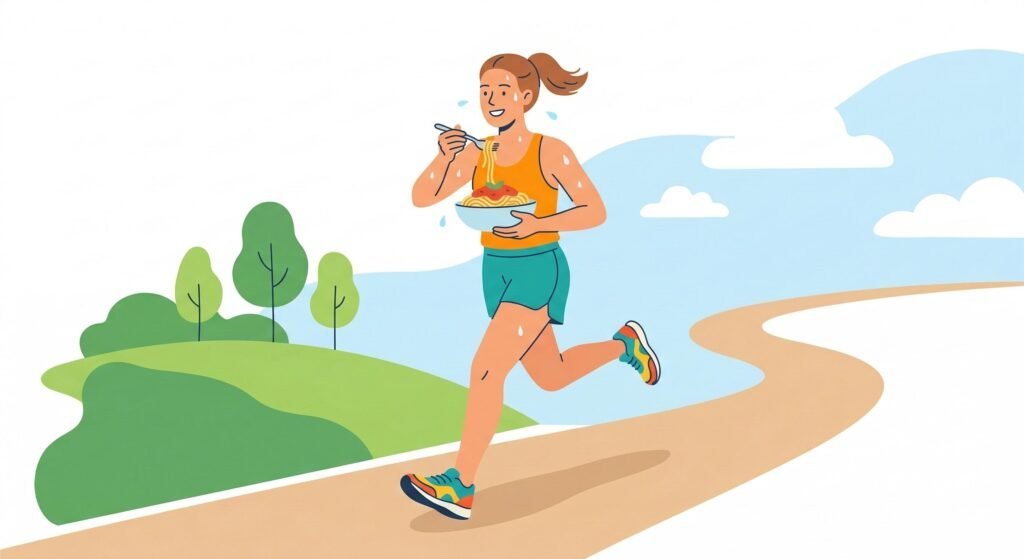
Everyone’s heard you must wait an hour after eating before swimming — but is there actual science behind meal timing and exercise, or is it poolside mythology?
Here’s how long to really wait before exercising after eating.
How Long Should I Wait to Exercise After Eating?
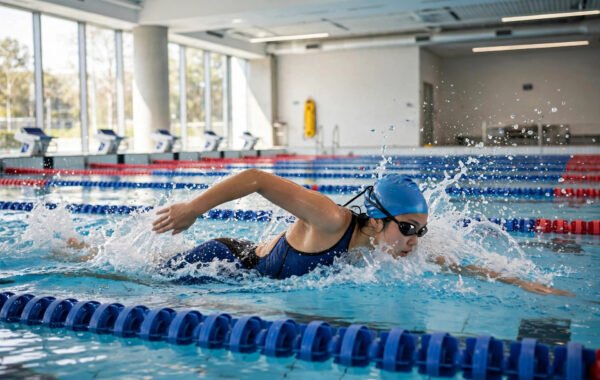
It depends on what you ate and what you’re doing. For a full meal, 2-3 hours before intense exercise is the sensible guide — your body is busy digesting, and hard effort diverts blood to muscles, which is why big-meal-then-sprint ends in nausea or stitches. For moderate exercise like brisk walking or easy cycling, 1-2 hours after a normal meal is plenty, and many people feel fine sooner. A light snack (banana, toast, yoghurt) needs only 30-60 minutes before most exercise — and exercising slightly fuelled beats running on empty for most people. Swimming’s infamous ‘wait an hour’ rule is mostly myth; there’s no evidence for a dangerous waiting period, just the common-sense point that vigorous exercise on a very full stomach is uncomfortable in water as on land. Listen to your body over any rule: if you feel sluggish or queasy, you went too soon or ate too much; if you’re flagging halfway through, you probably needed more fuel.
The pre-exercise meal itself matters more than the exact timing. Favour familiar, carb-based, low-fat, low-fibre foods — porridge, toast with jam, rice, bananas — and avoid anything new, very fatty or very fibrous before important sessions. Hydrate normally; don’t overdrink. After exercise, eat within a couple of hours: protein plus carbs for recovery, which for most people just means their next normal meal. One underappreciated point: a short walk after eating is actively good for you — it blunts blood sugar spikes, which is why the post-Sunday-roast stroll is folk wisdom backed by science. The people who get this wrong are usually at the extremes: training completely fasted and bonking, or eating a fry-up then attempting intervals. The middle ground — modest fuel, sensible gap, listen to your body — serves almost everyone.
Worth knowing
Pharmacists are the most underused health professionals in the country. For minor ailments — coughs, colds, skin problems, digestive issues, hay fever — a pharmacist can advise and often prescribe without any appointment, and they spot medication interactions GPs might miss. Many pharmacies now offer blood pressure checks and other services too. Before joining the GP phone queue, consider whether the pharmacist can help faster.
Don’t ignore your hearing. Gradual hearing loss creeps up — TV volume rising, asking people to repeat themselves — and it’s linked to social withdrawal and even cognitive decline if left untreated. NHS hearing tests are free via GP referral, and modern hearing aids are discreet and effective. There’s no prize for toughing it out; getting tested early gives the best outcomes. If ears are painful, discharging or suddenly worse, seek prompt care rather than waiting.
Quick Reference
Full meal → intense exercise: 2-3 hours. Normal meal → moderate exercise: 1-2 hours. Light snack → most exercise: 30-60 minutes. Post-meal walk: go immediately, it’s beneficial. Race day or big session: practise your exact routine in training first.
Eye tests are about more than new glasses. An optician’s check can spot early signs of glaucoma, cataracts, macular degeneration and even clues to diabetes or high blood pressure — which is why regular tests matter even when your vision feels fine. In the UK, many people get free NHS sight tests (over-60s, children, and those with certain conditions or benefits); everyone else pays around £20-£30. Every two years is the standard advice, yearly if advised.
Prevention consistently beats cure, yet most of us only think about health when something goes wrong. The NHS Health Check offered every five years to adults aged 40 to 74 in England is a genuinely valuable free service — blood pressure, cholesterol, diabetes risk and lifestyle advice in one appointment. Take it when invited; catching issues early is what it’s designed for, and it costs you nothing but an hour.
Winter hits British health harder than we admit — darker days, less movement, more indoor bugs, lower vitamin D. Going into autumn with a plan (flu jab booked, vitamin D started, exercise routine that survives dark evenings, social contact maintained) prevents the annual slump rather than just enduring it. Seasonal preparation beats seasonal repair.
Mental and physical health are not separate systems, whatever the appointment booking suggests. Chronic stress raises blood pressure, poor sleep wrecks immunity, and depression often shows up as physical symptoms first. Looking after your mind — through rest, connection, movement and asking for help when needed — is looking after your body. Treat both with the same seriousness.
Walking remains the most underrated exercise in Britain. It’s free, needs no equipment, is gentle on joints, and brisk walking counts fully toward the 150 weekly minutes of moderate activity the guidelines recommend. A daily 20-minute walk improves heart health, mood, sleep and blood sugar control — more than almost any supplement ever will. The best exercise is the one you’ll actually do, and walking passes that test for most people.
Second opinions are underused and entirely legitimate. If a diagnosis doesn’t feel right, treatment isn’t working, or you’re facing a major decision, asking another clinician to review is your right — good doctors welcome it. The NHS allows it, and privately it costs less than most people expect. Your health is worth the extra appointment.
The essentials to remember
- Full meal before intense exercise: wait 2-3 hours.
- Moderate exercise after a normal meal: 1-2 hours is plenty.
- Light snack: 30-60 minutes is enough for most exercise.
- The ‘wait an hour to swim’ rule is mostly myth.
- Pre-exercise: familiar carbs, low fat and fibre; post-meal walks are great.
Related reading: What are the most common reasons small businesses fail in the UK walks through a neighbouring topic step by step, and How is AI changing the way estate agents sell houses covers what to do when things get complicated.
It’s worth checking the NHS guide to its services for the authoritative guidance on this.
What I’d do next
Wait 2-3 hours after a full meal before intense exercise, 1-2 for moderate effort, and under an hour after a light snack. Fuel sensibly, listen to your body, and don’t fear the post-meal walk.

1 Comment