Every autumn the same products promise to ‘boost’ your immunity — most of it is marketing. Your immune system isn’t a muscle to boost; it’s a system to support.
Here’s what genuinely strengthens your immune defences before winter arrives.
How Can I Strengthen My Immune System Before Winter?
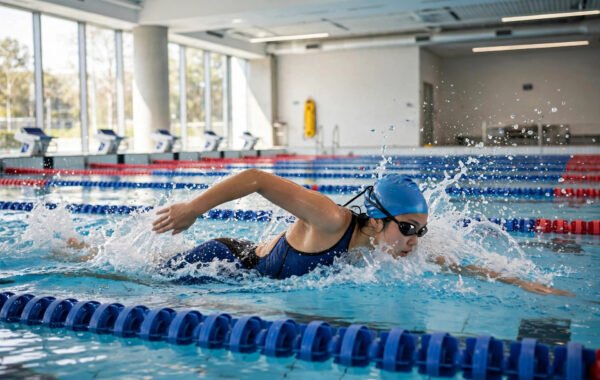
Start with the unglamorous foundations, because they’re what the evidence supports. Sleep is the big one: consistently getting 7-9 hours keeps immune function strong, while chronic short sleep measurably weakens it — going into winter well-rested matters more than any supplement. Exercise helps too: regular moderate activity (brisk walking, cycling, swimming) enhances immune surveillance, though extreme endurance training without recovery can temporarily suppress it. Diet-wise, eat the rainbow — varied fruit and vegetables provide the vitamins (C, A, E) and minerals (zinc, selenium, iron) your immune cells actually run on; no single ‘superfood’ does the job of overall good nutrition. Take the vitamin D supplement (10 micrograms daily, October to March) — it’s the one winter supplement with solid official backing in the UK. Manage stress, because chronic stress hormones suppress immunity, and keep alcohol moderate — heavy drinking impairs immune response measurably.
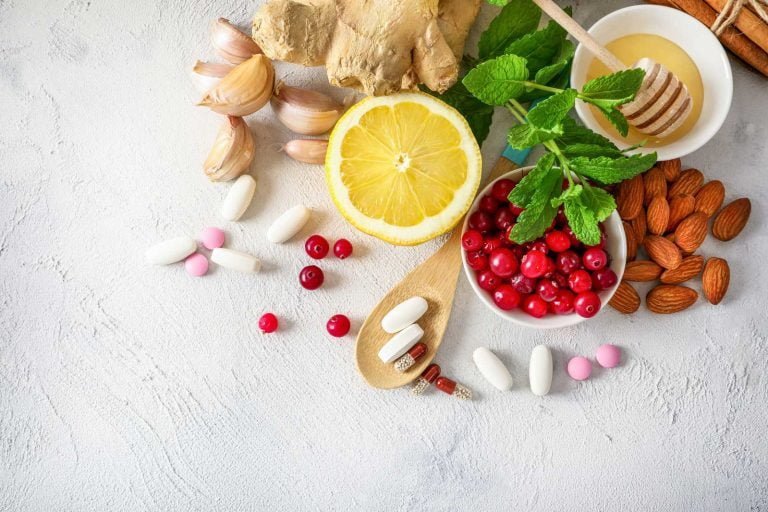
Then add the winter-specific defences. Get your flu jab — it’s the single most effective immune intervention available each autumn, free for over-65s, pregnant women, carers and clinical risk groups, and cheap privately otherwise. Stay current with COVID boosters if you’re eligible. Wash your hands properly and ventilate rooms when people gather — boring, effective, free. Keep up the exercise through the dark months; this is when routines collapse and immunity follows. Be sceptical of ‘immune-boosting’ products: vitamin C megadoses, echinacea and the like have thin evidence in healthy people, and the money is better spent on good food and warm housing. If you’re constantly ill despite healthy habits, see your GP — recurrent infections can occasionally signal something needing investigation, and it’s always worth ruling out.
Some wider context
Eye tests are about more than new glasses. An optician’s check can spot early signs of glaucoma, cataracts, macular degeneration and even clues to diabetes or high blood pressure — which is why regular tests matter even when your vision feels fine. In the UK, many people get free NHS sight tests (over-60s, children, and those with certain conditions or benefits); everyone else pays around £20-£30. Every two years is the standard advice, yearly if advised.
Pharmacists are the most underused health professionals in the country. For minor ailments — coughs, colds, skin problems, digestive issues, hay fever — a pharmacist can advise and often prescribe without any appointment, and they spot medication interactions GPs might miss. Many pharmacies now offer blood pressure checks and other services too. Before joining the GP phone queue, consider whether the pharmacist can help faster.
The Autumn Prep Checklist
Flu jab booked. Vitamin D started. Sleep routine protected. Exercise plan that survives dark evenings. Kitchen stocked with frozen veg and tinned fish for easy nutritious meals. Hand-washing habit refreshed. That’s a genuinely effective winter immunity plan — no expensive powders required.
Alcohol guidance is worth an honest look: the UK chief medical officers advise no more than 14 units a week, spread out, with alcohol-free days. Many people drink double that without realising — wine glass sizes have grown enormously. A month of tracking honestly (there are free apps) is eye-opening, and most people who cut back report better sleep and energy within weeks.
Antibiotics only work on bacterial infections — not colds, flu or most sore throats — and demanding them ‘just in case’ fuels the resistance that makes future infections harder to treat. Trust your GP or pharmacist when they say you don’t need them; it’s evidence-based care, not dismissal. When you are prescribed antibiotics, finish the course as directed and never share leftover pills. This is one area where individual restraint genuinely protects everyone.
Continuity with your GP matters more than most realise. Seeing the same doctor builds a picture of you over time — they notice changes, remember context, and you trust their judgement. When booking, ask for your usual GP for ongoing issues even if the wait is slightly longer; for one-off minor problems, anyone will do. It’s a small habit with outsized benefits.
Health anxiety is real and increasingly common, fuelled by symptom-checker rabbit holes at 2am. The internet is brilliant at turning a headache into a catastrophe in your mind. Use reputable sources like the NHS website, avoid forums of worst-case stories, and remember that anxiety itself causes very real physical symptoms. If worry about health is affecting your life, that’s itself worth discussing with your GP.
Winter hits British health harder than we admit — darker days, less movement, more indoor bugs, lower vitamin D. Going into autumn with a plan (flu jab booked, vitamin D started, exercise routine that survives dark evenings, social contact maintained) prevents the annual slump rather than just enduring it. Seasonal preparation beats seasonal repair.
Sleep is the foundation everything else rests on, and modern life attacks it from all sides — screens, stress, caffeine, alcohol. The basics work: consistent bedtimes, a cool dark room, winding down without screens, and keeping caffeine to the morning. If you fix one health habit this year, make it sleep; the knock-on effects on mood, weight, immunity and blood pressure are enormous.
Quick recap
- Sleep 7-9 hours: the most underrated immune support there is.
- Regular moderate exercise enhances immune function; extremes can suppress it.
- Varied diet + vitamin D (10mcg daily Oct-Mar) covers the nutritional bases.
- Flu jab each autumn is the single most effective intervention.
- Wash hands, ventilate rooms, stay sceptical of ‘immune-boosting’ products.
You might also want our take on How do i stop AI from using my photos for training, plus What is the future of AI in everyday british life for the practical next steps.
The official guidance at the NHS conditions A to Z is the definitive source here.
For trusted background reading, the NHS guide to its services covers this in depth.
Wrapping up
Support your immune system before winter with sleep, regular exercise, varied nutrition, vitamin D and the flu jab — not expensive ‘immune boosters’. The boring foundations are what actually work.