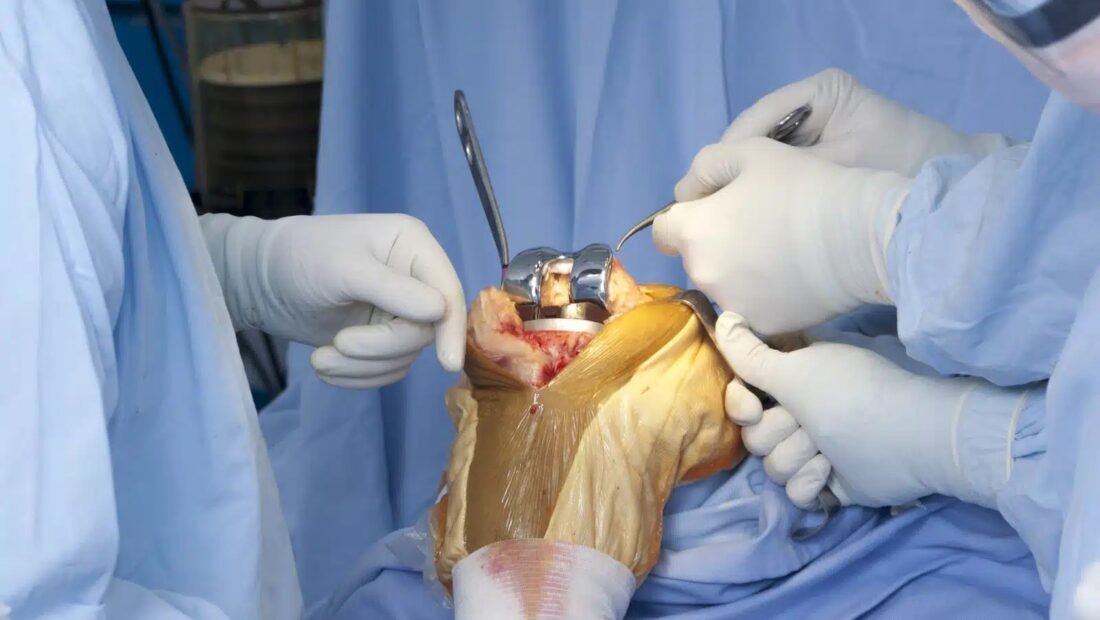
If your knee has been grinding, swelling or giving way for months, you have probably already had the awkward conversation with your GP about a referral. Then comes the part nobody warns you about: the wait. In England, the time between referral and a knee replacement operation can stretch from a few months to well over a year, depending on where you live.
I have watched friends go through this and the uncertainty is often worse than the pain. You cannot plan a holiday, you turn down overtime, and every staircase becomes a negotiation. So let me give you the honest picture of what is the NHS waiting time for a knee operation, why it varies so much, and what you can actually do while you wait.
What is the NHS Waiting Time for a Knee Operation
As a rough guide, the NHS constitution says 92% of patients should start consultant-led treatment within 18 weeks of a GP referral, but knee replacements routinely breach that. In practice, many trusts are quoting 9 to 18 months from referral to surgery, and in some parts of the country it is longer. The total breaks into two chunks: the wait for your first orthopaedic appointment (often 3 to 6 months) and then the wait for the operation itself once you are listed (often another 6 to 12 months). Your position on the list depends on clinical priority, cancellations, and frankly which hospital you were referred to.
Related reading: How do i Get a Repeat Prescription from my GP Online
Why knee operation waits differ so much across the UK
The postcode lottery is real here. A trust in one county might be operating within six months while a neighbouring trust quotes eighteen. The difference usually comes down to orthopaedic capacity: how many surgeons, theatre slots and beds a hospital has, and how much of that was eaten up by the pandemic backlog. Scotland, Wales and Northern Ireland run separate systems with their own targets, so the English 18-week figure does not apply there. If you live near a trust boundary, it is worth asking your GP whether referral to a different hospital is an option, because some patients cut months off their wait simply by going fifteen miles further.
What the referral pathway actually looks like
First your GP refers you to musculoskeletal triage or directly to orthopaedics. You will usually have an X-ray and a face-to-face assessment where the surgeon grades your arthritis and checks you are fit for surgery. If you are listed, you join the waiting list and get a rough date. Closer to the time there is a pre-assessment clinic: blood tests, an ECG, a chat with the anaesthetist, and a hard look at your weight, smoking status and diabetes control. Hospitals are increasingly blunt about this: if your BMI is very high or you smoke, they may ask you to address it before they book you, because both raise the risk of complications.
Worth a read: Is Vaping Really Safer Than Smoking Cigarettes
- Ask your GP for the referral letter date so you can track your 18-week clock from day one.
- Use the NHS e-Referral service to compare waiting times at different hospitals before you choose.
- Keep a simple diary of pain, stiffness and missed activities. It strengthens your case if you are re-triaged.
- Tell the hospital if you can take short-notice cancellations. This is the single fastest legal way to jump the queue.
- Stay contactable. Missed calls from an unknown hospital number have cost people their slot.
How to cope while you are on the list
Waiting does not have to mean deteriorating. Physiotherapy, even a handful of sessions, can keep the muscles around your knee strong, and stronger quads genuinely make recovery faster. Low-impact exercise like swimming, cycling or an exercise bike keeps you moving without hammering the joint. Weight loss helps more than most people expect: every extra stone multiplies the load through the knee when you walk. Painkillers have their place, but talk to your GP or pharmacist about a plan rather than quietly doubling your paracetamol for a year. And do not underestimate the mental side. Chronic pain plus uncertainty grinds people down, so keep your routines, see people, and ask for help if your mood slips.
Can you get a knee operation faster?
You have the legal right to choose your provider, including independent hospitals that do NHS work, which sometimes have shorter lists. If you are offered a date at an NHS-funded independent treatment centre, it costs you nothing and the surgeons are held to the same standards. Going fully private typically costs between £12,000 and £15,000 for a knee replacement in the UK, which is out of reach for most, but some people use it for the initial consultation (£200 to £300) to get a clear diagnosis and plan while staying on the NHS list for the operation itself. Medical tourism is the option people whisper about, but weigh the risks honestly: follow-up care, complications and revision surgery all become complicated when your surgeon is in another country.
Your rights if the wait becomes unreasonable
If your wait stretches far beyond 18 weeks, you are not powerless. The NHS constitution gives you the right to ask your integrated care board to take all reasonable steps to offer you quicker treatment, including at an alternative provider. In practice this means contacting the Patient Advice and Liaison Service (PALS) at your trust, who can investigate delays and sometimes open up alternative slots. Keep copies of every letter and note the dates of every phone call. If you feel your case is urgent, ask your GP to re-refer as urgent or to write supporting your re-prioritisation; worsening pain, new instability or inability to work all strengthen that request. Nobody should feel guilty about chasing. Hospitals manage thousands of patients, and the polite, persistent ones get noticed.
The NHS Live Well hub has practical, evidence-based tips on diet, exercise and everyday health.
See also: How can i Quit Smoking for Good with NHS Support
The bottom line
The honest answer is that most people wait somewhere between 9 and 18 months for an NHS knee operation, with real variation by trust. Track your referral date, use your right to choose, say yes to cancellations, and use the waiting time to get as fit as possible for surgery. The operation has one of the highest satisfaction rates in orthopaedics, so the wait, miserable as it feels, usually ends well. If you need a GP appointment, the NHS GP services guide explains how the system works.