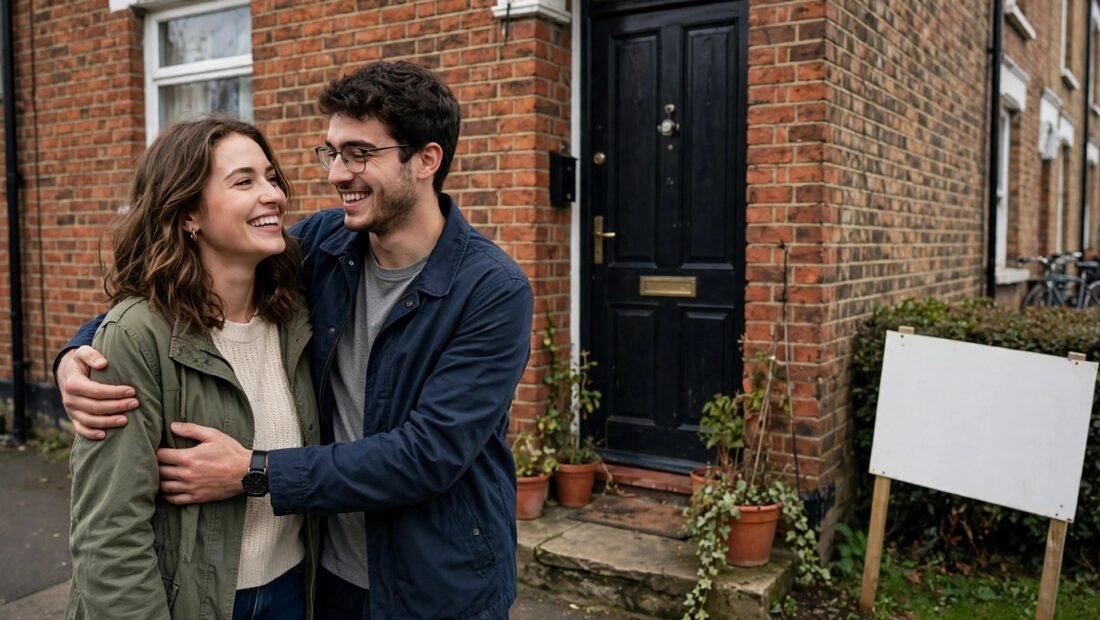
A 5 per cent deposit is the minimum rung on Britain's property ladder, and in Nottingham it is a realistic one: on a £180,000 terrace, the deposit is £9,000, a sum a disciplined saver can assemble without family help. But low-deposit buying comes with higher costs, stricter lending, and a timeline full of stages that catch first-timers by surprise.
This guide walks through the whole journey: how long each stage takes, the true costs beyond the deposit, the schemes that help, and the Nottingham-specific factors that shape your search.
The Full Timeline: Offer to Keys
From accepted offer to completion, budget 12 to 16 weeks for a straightforward purchase, longer if chains or leasehold complications intrude. The stages: mortgage application and offer, 2 to 4 weeks; searches and surveys, 3 to 6 weeks, running in parallel; conveyancing queries and enquiries, the great variable, 4 to 8 weeks; exchange of contracts, then completion typically 1 to 2 weeks later.
With a 5 per cent deposit, add time at the front end. High loan-to-value applications face more underwriting scrutiny: extra affordability checks, stricter treatment of variable income, and sometimes a second valuation. Lenders also offer fewer products at 95 per cent LTV, and the rates run 0.5 to 1 per cent above 90 per cent deals. Getting a mortgage agreement in principle before you offer is not optional at this LTV; it is how you prove you are a serious buyer.
The True Costs Beyond the Deposit
The deposit is the headline, not the budget. On a £180,000 purchase, also budget: stamp duty, zero for most first-time buyers under £425,000, but check current thresholds on MoneyHelper as these change; conveyancing £800 to £1,500; survey £400 to £700 for a proper homebuyer report, non-negotiable on older Nottingham stock; mortgage arrangement fees, often added to the loan; and moving costs.
Then the hidden first-year costs: buildings insurance, essential from exchange; immediate repairs the survey flagged; furnishing a whole home from scratch; and an emergency buffer of at least £1,000. Many 5 per cent buyers arrive at completion financially empty, which is precisely when the boiler chooses to fail. Budget the deposit plus £4,000 to £6,000 in costs and buffer, minimum.
Making 95% LTV Work: Rates, Schemes and Strategy
At 95 per cent LTV, every fraction of interest matters because the loan is large relative to the property. A 0.75 per cent rate difference on a £171,000 mortgage costs roughly £65 a month, or £3,900 over a five-year fix. Use a whole-of-market broker: the best 95 per cent deals are often not on comparison sites, and brokers know which lenders are currently keen on high-LTV lending.
Check the schemes: the mortgage guarantee scheme supports 95 per cent lending from participating lenders; shared ownership lets you buy a share and rent the rest, common on Nottingham new-builds; and the First Homes scheme offers discounts on new builds for first-time buyers. Each has eligibility rules and trade-offs, detailed on Homes England. Also consider whether waiting to reach a 10 per cent deposit changes the maths: sometimes six more months of saving unlocks far better rates.
Nottingham-Specific Factors
Nottingham offers genuine 5 per cent deposit territory: terraces in areas like Bulwell, Bestwood and parts of Sneinton sit at £130,000 to £180,000, putting deposits at £6,500 to £9,000. But cheap stock demands careful surveys: former mining areas carry subsidence considerations, and some ex-council stock has non-standard construction that spooks high-street lenders. Always check the construction type before falling in love.
New-build estates around the city fringe offer incentives, stamp duty contributions, flooring packages, but compare the price per square foot against resales, since new-build premiums of 10 to 15 per cent are common and can leave you in negative equity if prices soften. And factor commute reality: Nottingham's tram and bus networks are good, but a cheap house with a punishing commute is not cheap.
Protecting Yourself After Completion
The riskiest period for 95 per cent buyers is the first two years, when equity is thinnest. Avoid further borrowing against the property, keep an emergency fund rebuilt to three months' expenses, and consider overpaying the mortgage if your deal allows, since 10 per cent annual overpayment allowances are standard and each overpayment builds equity directly.
Plan for remortgage at the end of your fixed term: two years of payments plus any price growth may lift you into a lower LTV band with better rates. Set a calendar reminder for six months before the deal ends. And think long-term about the property itself: adding value to your home before selling covers improvements that build equity fastest, while planning a stress-free house move keeps the move itself sane. Buying with 5 per cent is the start of building wealth, not the end of the effort.
New-Build vs Resale at 95% LTV
At 95 per cent loan-to-value, the new-build versus resale decision carries extra weight. New-builds offer incentives that appeal to cash-strapped buyers: stamp duty contributions, flooring and turfing packages, and sometimes deposit contributions. Shared ownership and First Homes schemes cluster on new developments too. For a buyer scraping together 5 per cent, these sweeteners can be the difference between buying now and waiting a year.
But the new-build premium is the trap. New homes typically cost 10 to 15 per cent more than equivalent resales, and at 95 per cent LTV that premium sits entirely on top of your thin equity. If prices soften even slightly, you are in negative equity with no cushion, unable to remortgage and stuck on the lender's standard variable rate. Resales in Nottingham's established areas, terraces in Bulwell, Mapperley or Beeston, offer more space per pound, no premium, and often stronger communities. Get an independent valuation, not just the lender's, on any new-build purchase, and compare price per square foot ruthlessly. The incentives are real, but they are marketing; the premium is arithmetic.
Buying your first home with a 5 per cent deposit in Nottingham takes 12 to 16 weeks from offer to keys, demands £4,000 to £6,000 beyond the deposit itself, and rewards careful scheme-checking and broker advice. Nottingham's prices make it genuinely achievable on ordinary salaries. Go in with an agreement in principle, a proper survey, and a budget that extends past completion day, and the minimum rung of the ladder holds firm.
Frequently Asked Questions
Can I get a mortgage with only a 5% deposit in the UK?
Yes. 95% LTV mortgages are widely available, supported by the mortgage guarantee scheme. Expect higher rates than lower-LTV deals, stricter affordability checks, and a smaller choice of products.
How much deposit do I need for a £180,000 house?
A 5% deposit is £9,000. But budget £4,000 to £6,000 more for conveyancing, surveys, moving costs and an emergency buffer, so around £13,000 to £15,000 total cash needed.
How long does buying a house take in the UK?
Typically 12 to 16 weeks from accepted offer to completion for a straightforward purchase. Chains, leasehold complexities and slow conveyancing can extend this to 20-plus weeks.
Is 95% LTV risky for first-time buyers?
The main risk is negative equity if prices fall early on, since you own only 5%. Mitigate it by buying below your maximum budget, avoiding new-build premiums, and overpaying when possible to build equity faster.