Every seller faces the same temptation: spend a bit before selling to make a bit more. Sometimes it works brilliantly. Often it does not, and the money spent on the wrong improvements simply vanishes into a sale price that never reflected it. The difference between profit and waste is knowing which improvements the market actually pays for.
This guide separates the improvements that genuinely increase home value from the ones that lose money, with the cheap, high-impact wins any seller can do and the expensive projects to think twice about.
The Golden Rule: Ceiling Prices
Every street has a ceiling price: the maximum buyers will pay for a house there, regardless of how lovely yours is. Check sold prices for your street and the best comparable properties on HM Land Registry. If the ceiling is £250,000 and your home would sell for £230,000 as-is, you have at most £20,000 of headroom, and realistically less, since buyers discount for the hassle of work.
This single concept kills most bad improvement decisions. A £30,000 extension on a street with a £250,000 ceiling is charity, not investment. Before spending anything, establish your current likely value, the ceiling, and the gap. Only improvements costing well under that gap can pay. the Royal Institution of Chartered Surveyors surveyors can provide formal valuations if the numbers are large.
Improvements That Usually Pay
The reliable winners: fixing everything broken, since defects discount far beyond their repair cost; a fresh neutral redecoration throughout, the highest return per pound in home improvement; improving the kitchen and bathroom cosmetically, new doors, worktops and taps rather than full refits; kerb appeal, front door, tidied garden, clean windows; and energy efficiency, since EPC ratings now visibly affect buyer interest and mortgage options.
The maths is compelling. A £2,000 redecoration and deep clean can add £5,000 to £10,000 to perceived value because buyers pay for the feeling of a cared-for home. Fixing a leaking gutter for £200 removes a £2,000 mental discount. These are not improvements in the building sense; they are removals of reasons to offer less.
Improvements That Usually Lose Money
The classic losers: swimming pools, which most UK buyers see as a maintenance liability; highly personalised luxury finishes, since your £15,000 bespoke kitchen is the buyer's £5,000 rip-it-out; extensions that push past the street ceiling; converting bedrooms into other uses, since bedroom count drives value more than almost anything; and over-improving beyond the neighbourhood, the nicest house on a modest street.
Big projects also carry timing risk. A loft conversion takes months, during which the market can move, and the disruption may delay your sale. Unless you will enjoy the improvement for years before selling, major works purely for sale are usually poor investments. the cost of converting a loft details loft costs specifically, worth reading before committing.
The Cheap Wins: Maximum Impact Under £2,000
If you do nothing else, do these: deep-clean everything, including carpets, ovens and windows, or hire professionals for £300 to £500; declutter ruthlessly, since space sells and clutter shrinks rooms visually; repaint in warm neutrals throughout; fix every minor defect, dripping taps, cracked tiles, sticking doors, blown bulbs; tidy the garden and paint the front door; and improve lighting, since bright homes photograph and feel larger.
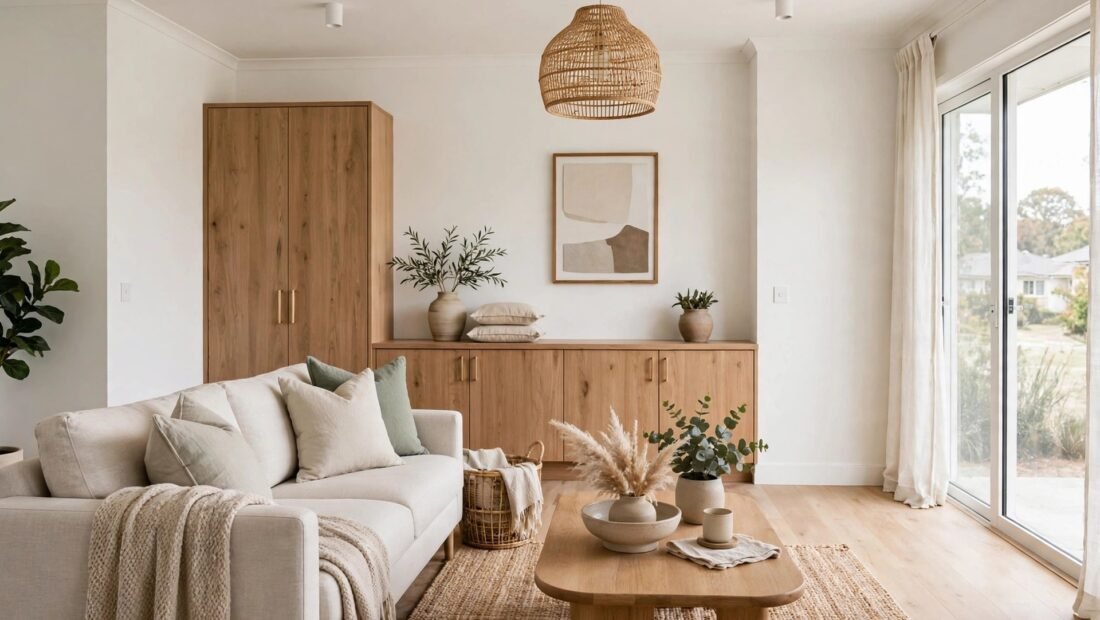
Then stage lightly: fresh towels and bedding, a few plants, the heating on for viewings, and smells of coffee or baking rather than air freshener. None of this is dishonest; it is presenting the home at its best. Estate agents consistently report that well-presented homes sell faster and closer to asking, which is itself worth money in a slow market.
When to Sell As-Is Instead
Sometimes the smart move is no improvement at all. If the property needs £20,000 of work to reach its potential, selling to a buyer who wants a project, priced accordingly, often nets more than doing the work yourself, because you avoid the cost, time, stress and risk of overruns. Probate sales, relocations with deadlines, and tired landlords usually do better selling as-is.
Price it honestly for its condition and market it to the right buyers: investors, developers and DIY enthusiasts actively hunt unmodernised stock. A realistic price on a doer-upper generates competition among exactly the buyers equipped to handle it. And if you are buying as well as selling, adding value to your home before selling is the companion read for getting the presentation right on a budget.
Staging for Photographs and Viewings
Buyers decide within seconds of seeing the listing photos, so staging for the camera matters as much as staging for the viewing. Photograph on a bright day with all lights on, curtains open and the heating at a comfortable level; estate agent photographers shoot wide angles that punish clutter and reward clear surfaces. Remove half the furniture from crowded rooms in photos if necessary, since cameras shrink spaces. Make beds with fresh white linen, clear kitchen worktops entirely, and hide bins, cables and personal items.
For viewings, engage all the senses lightly: fresh coffee brewing or bread in the oven beats plug-in air fresheners, which buyers distrust. Keep the house at a warm, comfortable temperature, open curtains fully, and have every light on even in daytime. Tidy the garden and the front approach, since the viewing begins at the kerb. If you live there during viewings, be absent or unobtrusive; buyers cannot imagine their life in your home while you are living yours in front of them. None of this is dishonest presentation. It is the difference between buyers seeing your home's potential and seeing your stuff.
Key Takeaways
Improvements only pay when they cost well under the street's ceiling-price headroom. The reliable winners are fixing defects, fresh neutral redecoration, cosmetic kitchen and bathroom refreshes, kerb appeal and energy efficiency. Money losers include pools, personalised luxury finishes, extensions past the ceiling, and removing bedrooms. Under £2,000, deep cleaning, decluttering, repainting and fixing every minor fault deliver the highest return per pound. Sell as-is when the work exceeds the headroom or you face a deadline, pricing honestly for project-hunting buyers.
Increasing home value before selling is worth it when the improvement costs well under the street's ceiling-price headroom and targets what buyers actually pay for: condition, cleanliness, neutral decoration, kitchens and bathrooms refreshed, and kerb appeal. It is not worth it for personalised luxury, major works near the ceiling, or anything you would not enjoy if the sale fell through. Spend small, fix everything, present beautifully, and let the market do the rest.
Frequently Asked Questions
What home improvements add the most value in the UK?
Redecoration, fixing defects, cosmetic kitchen and bathroom refreshes, kerb appeal and energy efficiency improvements. These consistently return more than they cost, unlike pools, luxury personalisation or over-improving past the street ceiling.
Should I renovate my kitchen before selling?
A full £15,000 refit rarely pays back on sale. Instead, refresh cosmetically: new cupboard doors, worktops, taps and handles for a fraction of the cost. Only do a full renovation if you'll enjoy it for years first.
Does a loft conversion add value when selling?
It can add 10 to 20 per cent, but only where the street ceiling allows headroom above the conversion cost. Get a formal valuation first, and don't start major works purely for a quick sale.
Is it better to sell a house as-is or renovate?
Sell as-is when the work needed exceeds the ceiling-price headroom, when you're on a deadline, or when the property suits project-hunting buyers. Price honestly for condition and let the right buyers compete.