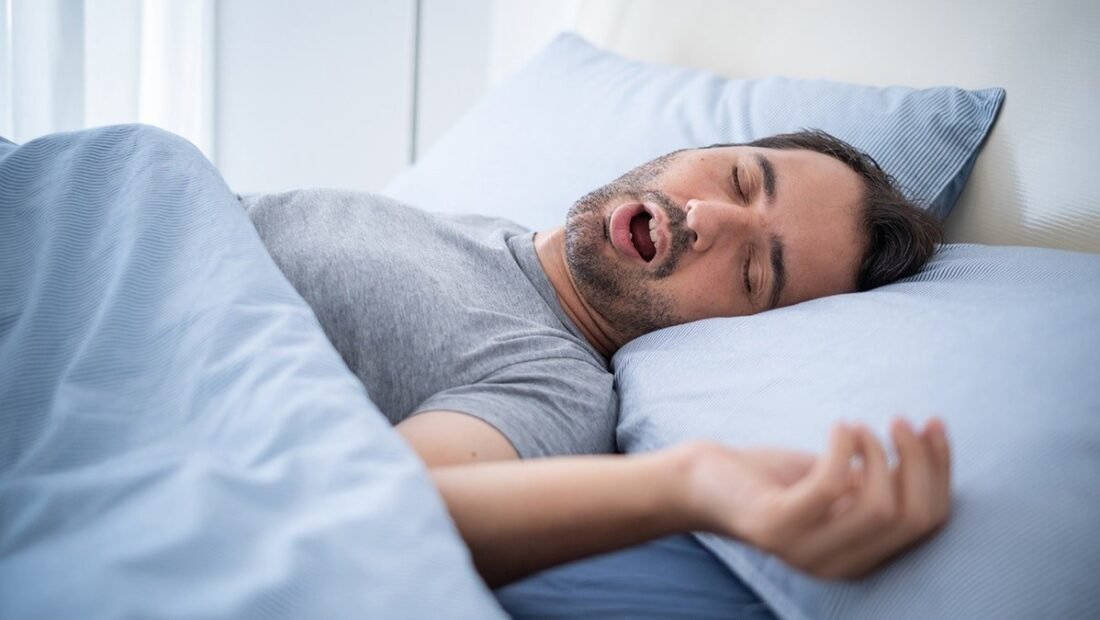
Snoring ruins sleep twice over — yours and your partner’s. Before considering surgery, there’s a long list of things that genuinely help.
Here’s how to stop snoring without surgery, from the simple fixes to the ones that take effort.
How Can I Stop Snoring Without Surgery?
Start with the easy wins. Side-sleeping helps most snorers significantly — snoring happens when the tongue and throat tissues collapse backward, which gravity encourages on your back. A body pillow or the old tennis-ball-in-a-pyjama-pocket trick keeps you off your back. Next, clear your nose: snoring worsens dramatically with congestion, so treat allergies, try nasal strips or a saline rinse, and keep bedroom air from getting too dry. Alcohol is a major culprit — it relaxes throat muscles excessively, so cutting back (especially in the evening) transforms many snorers within days. Weight matters too: extra tissue around the neck narrows the airway, and even modest weight loss quiets snoring noticeably for many people. Raising the head of the bed slightly and keeping a regular sleep schedule both help at the margins.
If the basics don’t cut it, step up a level. Mandibular advancement devices — mouthguards that hold your jaw slightly forward — are available over the counter (£20-£50) or custom-fitted by dentists (£300-£600), and they’re among the most effective non-surgical options. Throat and tongue exercises (oropharyngeal exercises) sound silly but have decent evidence: a few minutes daily of specific exercises can reduce snoring over several weeks. Anti-snore pillows and nasal dilators help some people, though the evidence is thinner — worth trying given the low cost. What actually warrants medical attention: loud nightly snoring with daytime exhaustion, witnessed pauses in breathing, or gasping awake — these suggest sleep apnoea, which is a serious condition needing proper diagnosis and treatment (usually CPAP), not just snoring remedies. Your GP can refer you to a sleep clinic; don’t tough out possible apnoea.
Worth knowing
Continuity with your GP matters more than most realise. Seeing the same doctor builds a picture of you over time — they notice changes, remember context, and you trust their judgement. When booking, ask for your usual GP for ongoing issues even if the wait is slightly longer; for one-off minor problems, anyone will do. It’s a small habit with outsized benefits.
Mental and physical health are not separate systems, whatever the appointment booking suggests. Chronic stress raises blood pressure, poor sleep wrecks immunity, and depression often shows up as physical symptoms first. Looking after your mind — through rest, connection, movement and asking for help when needed — is looking after your body. Treat both with the same seriousness.
For the Long-Suffering Partner
Earplugs and white noise help, but separate bedrooms are nothing to be ashamed of — plenty of happy couples sleep apart and report better relationships for it. Record the snoring (there are apps) if your partner needs convincing it’s serious. And frame the conversation around health, not blame: ‘I’m worried about your breathing at night’ lands better than ‘you’re unbearable’.
Winter hits British health harder than we admit — darker days, less movement, more indoor bugs, lower vitamin D. Going into autumn with a plan (flu jab booked, vitamin D started, exercise routine that survives dark evenings, social contact maintained) prevents the annual slump rather than just enduring it. Seasonal preparation beats seasonal repair.
Health anxiety is real and increasingly common, fuelled by symptom-checker rabbit holes at 2am. The internet is brilliant at turning a headache into a catastrophe in your mind. Use reputable sources like the NHS website, avoid forums of worst-case stories, and remember that anxiety itself causes very real physical symptoms. If worry about health is affecting your life, that’s itself worth discussing with your GP.
Alcohol guidance is worth an honest look: the UK chief medical officers advise no more than 14 units a week, spread out, with alcohol-free days. Many people drink double that without realising — wine glass sizes have grown enormously. A month of tracking honestly (there are free apps) is eye-opening, and most people who cut back report better sleep and energy within weeks.
Second opinions are underused and entirely legitimate. If a diagnosis doesn’t feel right, treatment isn’t working, or you’re facing a major decision, asking another clinician to review is your right — good doctors welcome it. The NHS allows it, and privately it costs less than most people expect. Your health is worth the extra appointment.
Don’t ignore your hearing. Gradual hearing loss creeps up — TV volume rising, asking people to repeat themselves — and it’s linked to social withdrawal and even cognitive decline if left untreated. NHS hearing tests are free via GP referral, and modern hearing aids are discreet and effective. There’s no prize for toughing it out; getting tested early gives the best outcomes. If ears are painful, discharging or suddenly worse, seek prompt care rather than waiting.
Sleep is the foundation everything else rests on, and modern life attacks it from all sides — screens, stress, caffeine, alcohol. The basics work: consistent bedtimes, a cool dark room, winding down without screens, and keeping caffeine to the morning. If you fix one health habit this year, make it sleep; the knock-on effects on mood, weight, immunity and blood pressure are enormous.
Walking remains the most underrated exercise in Britain. It’s free, needs no equipment, is gentle on joints, and brisk walking counts fully toward the 150 weekly minutes of moderate activity the guidelines recommend. A daily 20-minute walk improves heart health, mood, sleep and blood sugar control — more than almost any supplement ever will. The best exercise is the one you’ll actually do, and walking passes that test for most people.
The essentials to remember
- Sleep on your side; treat nasal congestion; cut evening alcohol.
- Weight loss around the neck area often reduces snoring significantly.
- Mouthguards (jaw advancement devices) are among the most effective options.
- Throat exercises have decent evidence and cost nothing.
- Loud snoring + daytime exhaustion = possible sleep apnoea, see your GP.
You might also want our take on Can AI help me decorate my living room, plus Is it normal to feel tired all the time and when should i see a GP for the practical next steps.
It’s worth checking the NHS Live Well hub for the authoritative guidance on this.
What I’d do next
Most snoring improves without surgery: side-sleeping, clear airways, less evening alcohol, weight management and possibly a jaw-advancement mouthguard. But loud nightly snoring with exhaustion needs a GP check for sleep apnoea.