To increase stamina, build a consistent base of aerobic exercise — at least 150 minutes of moderate activity per week — add one or two interval training sessions, include strength training twice weekly, and support it all with good sleep, hydration and balanced nutrition. Most people notice meaningful improvements in 4–8 weeks of steady training. Stamina builds through progressive overload: gradually increasing how long or hard you exercise, not through sudden intense bursts.
What Is Stamina, Exactly?
Stamina is your body’s ability to sustain physical or mental effort over time without excessive fatigue. It has two components: cardiovascular stamina (how efficiently your heart and lungs deliver oxygen during sustained activity) and muscular stamina (how long your muscles can keep working before tiring). Both are trainable at any age — your body adapts to whatever demands you place on it consistently.
Low stamina usually is not a medical problem; it simply reflects deconditioning. If you get breathless climbing stairs or feel wiped out after a short jog, that is your baseline telling you where to start. The NHS physical activity guidelines recommend at least 150 minutes of moderate-intensity exercise weekly for adults, which is an excellent foundation for building stamina from scratch.
Build an Aerobic Base First
The single most important step to increase stamina is regular, moderate aerobic exercise sustained over weeks and months. This trains your heart to pump more blood per beat, grows new capillaries in your muscles, and teaches your body to use oxygen more efficiently.
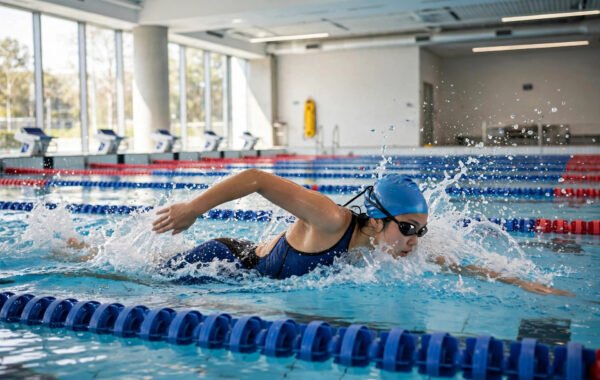
- Choose activities you will actually repeat: brisk walking, jogging, cycling, swimming, rowing or dancing all work. Enjoyment predicts consistency, and consistency builds stamina.
- Start where you are: if 10 minutes of brisk walking is your limit, start there and add 5–10% more time each week.
- Use the talk test: moderate intensity means you can talk but not sing. This “Zone 2” effort is the sweet spot for building your aerobic base.
- Be patient: meaningful aerobic adaptations take 4–6 weeks to appear. The first fortnight is the hardest; after that, the same effort starts feeling easier.
Add Interval Training to Boost Stamina Faster
Once you have 3–4 weeks of base training, intervals — short bursts of hard effort alternated with recovery — accelerate stamina gains dramatically. They raise your VO2 max (the maximum oxygen your body can use), which is the core physiological measure of cardiovascular stamina.
A beginner-friendly session: after a 5-minute easy warm-up, alternate 1 minute of fast effort (running, cycling or bodyweight exercises like burpees) with 2 minutes of easy recovery, repeating 6–8 times, then cool down for 5 minutes. One or two interval sessions per week is plenty — more risks overtraining. Research consistently shows intervals improve stamina faster than steady exercise alone, making them the most time-efficient tool in your kit.
Strength Training Matters Too
Stronger muscles fatigue more slowly, so resistance training directly increases muscular stamina. You do not need a gym membership: press-ups, squats, lunges and planks done in circuits build stamina effectively. Aim for two sessions weekly, working all major muscle groups, and progress by adding repetitions before adding weight. Higher-repetition sets (12–20 reps) with short rests specifically train muscular endurance.
Eat and Drink for Endurance
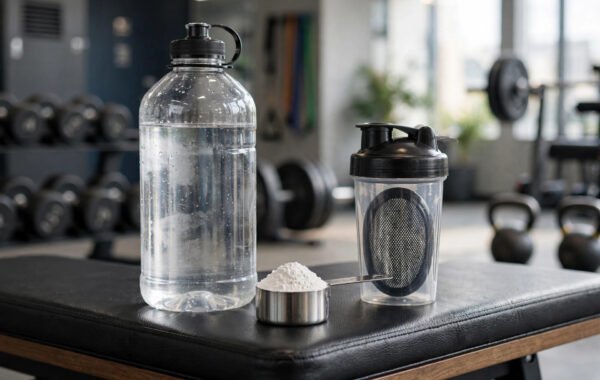
Training adaptations need fuel. Eat a balanced diet with enough carbohydrates — your muscles’ preferred fuel for sustained effort — alongside adequate protein (around 1.2–1.6g per kg of body weight daily for active people) to repair and build muscle. Iron matters for stamina because it carries oxygen in the blood; low iron is a common, fixable cause of persistent fatigue, especially in women. Stay hydrated: even 2% dehydration measurably reduces endurance performance, so drink water throughout the day and during longer sessions.
Be sceptical of “stamina supplements”. Caffeine has genuine, modest evidence for endurance performance; beetroot juice (dietary nitrate) shows promise; but most pre-workout blends, fat burners and “energy” pills offer little beyond marketing. Creatine helps short explosive efforts rather than stamina. Food, sleep and training beat any supplement.
Sleep and Recovery: The Forgotten Half
Stamina is built during recovery, not during the workout itself. Aim for 7–9 hours of sleep nightly — poor sleep sabotages endurance, reaction time and motivation simultaneously. Schedule at least one full rest day per week, and increase training volume gradually (the 10% rule) to avoid overuse injuries that derail progress for weeks. Persistent exhaustion despite rest can signal overtraining: scale back for a week and rebuild.
Mental Stamina Counts Too
Stamina is not only physical. Mental endurance — the ability to stay focused and keep going when effort gets uncomfortable — improves with practice. Techniques that help include breaking long efforts into small segments, using rhythmic breathing, training with others for accountability, and tracking progress so improvements stay visible. Many runners find the final 20% of a hard effort is mostly mental; training your tolerance for discomfort is a legitimate part of building stamina.
A Simple 4-Week Starter Plan
- Week 1–2: 3× 20–30 minute brisk walks or easy jogs + 1 bodyweight strength circuit.
- Week 3: 3× 30–40 minute sessions, add gentle hills; 1 interval session (1 min fast / 2 min easy × 6).
- Week 4: 4× 30–45 minute sessions, 1–2 interval sessions, 2 strength circuits.
- Ongoing: add ~10% weekly time, keep 1–2 interval sessions, protect rest days.
When Low Stamina Needs a Doctor
See your GP if fatigue or breathlessness is sudden, severe, or does not improve with several weeks of sensible training — it can occasionally signal anaemia, thyroid problems, asthma, heart issues or sleep apnoea. Chest pain, fainting or palpitations during exercise always warrant prompt medical assessment. Otherwise, low stamina is simply a starting point, not a diagnosis.
How to Track Your Stamina Gains
Measuring progress keeps motivation alive through the slow early weeks. Simple, free methods work best. Time how long you can sustain a set effort — for example, how far you walk or jog in 20 minutes — and repeat the test every two weeks; the distance should creep upward. Track your resting heart rate each morning: as cardiovascular fitness improves, it typically drops by several beats per minute over a couple of months. Note your perceived exertion: a pace that once left you gasping should start feeling merely moderate. Wearable fitness trackers can estimate VO2 max and recovery, which is useful trend data even if the absolute numbers are approximate. Keep a basic training log — sessions per week, duration, how you felt — because memory underestimates progress. If your numbers stall for three weeks despite consistent training, change the stimulus: add intervals, extend one weekly session, or add an extra rest day if fatigue is the blocker.
Frequently Asked Questions
How long does it take to increase stamina?
Most people feel a noticeable difference within 4–6 weeks of consistent training, with substantial gains by 8–12 weeks. The rate depends on your starting fitness, age, training consistency and sleep quality.
What’s the best exercise for building stamina?
The best exercise is one you will do regularly — brisk walking, jogging, cycling and swimming all build cardiovascular stamina effectively. For the fastest gains, combine steady aerobic sessions with weekly interval training.
Can you build stamina by walking?
Absolutely, especially if you are starting from a low base. Brisk walking (fast enough that you can talk but not sing) for 30–45 minutes most days builds real aerobic fitness. Add hills or intervals of faster walking to keep progressing.
Does diet really affect stamina?
Yes. Under-fuelling — especially too few carbohydrates or calories — directly limits endurance, while iron deficiency reduces oxygen delivery and causes fatigue. You do not need a special diet, just adequate, balanced nutrition matched to your activity.
Why is my stamina not improving?
The usual culprits are training too infrequently (fewer than 3 sessions weekly), never increasing the challenge, poor sleep, under-eating, or an underlying issue like anaemia. Track your sessions, progress gradually, and see your GP if exhaustion persists despite good habits.
Conclusion
Increasing stamina comes down to a simple formula: consistent aerobic exercise, progressive overload, weekly intervals, strength work, good nutrition, hydration and sleep. Start where you are, add a little more each week, and expect real results within two months. There are no shortcuts — but there do not need to be, because the steady approach works for everyone who sticks with it.