
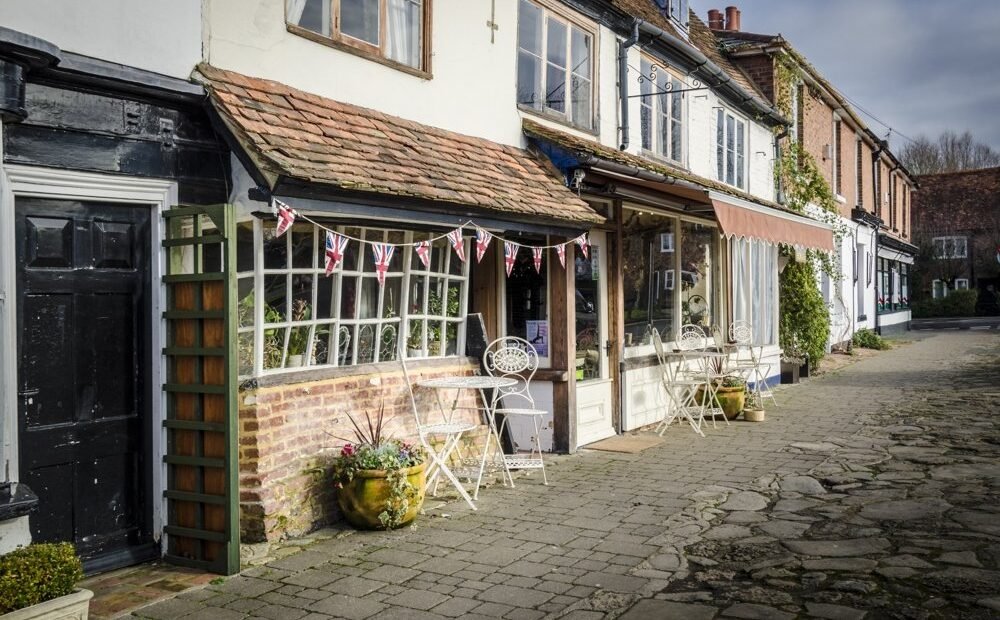
Business rates are one of those bills that quietly drain a small shop — often the second biggest cost after rent. Yet thousands of eligible shops in England pay full whack because nobody told them relief exists.
Here’s how small business rates relief works, who qualifies, and exactly how to claim it from your council.
How Do I Get Business Rates Relief for a Small Shop in England?
Small Business Rate Relief is the main scheme: if your shop is your only business property and its rateable value is under £15,000, you get tapered relief — and if the rateable value is £12,000 or less, you currently pay nothing at all. Between £12,001 and £15,000 the relief slides from 100% down to zero. You claim through your local council, not the Valuation Office, and many councils let you apply online in about ten minutes. You’ll need your business rates account number and the property details. Relief isn’t always automatic, so don’t assume the bill is correct — check it. If you take on a second property, you can usually keep relief on the first for a limited time as long as the others stay under certain thresholds.
There are other reliefs worth knowing about. Retail, Hospitality and Leisure Relief has offered significant discounts to eligible shops in recent years — check the current year’s scheme on gov.uk, as the percentages change. Rural rate relief applies to qualifying village shops and post offices. And if your premises are empty, you may get a rates-free period before the empty property rate kicks in. Always read the bill: councils make mistakes, and overpayments are more common than you’d think.
Some wider context
Networking still works, despite everything the internet promised. Local business groups, trade associations and even the regulars at a co-working space generate referrals that no ad campaign can buy — people recommend people they know. You don’t need to love small talk; just show up consistently, be useful, and follow up. One good contact a month compounds into a powerful network within a couple of years.
Think about the exit from the start, even if selling is decades away. Businesses built to run without their owner — documented processes, spread customer base, recurring revenue — are worth more and are less stressful to own. Every year, ask: if I had to step away for six months, what would break? Fix those things. You’re not just building income; you’re building an asset.
What to Do If Your Claim Is Refused or Delayed
First, check the rateable value on the Valuation Office Agency website — if it’s wrong, challenge it through the Check, Challenge, Appeal system. If the council says you don’t qualify, ask for the decision in writing and the exact reason; many refusals come down to missing paperwork rather than genuine ineligibility. Keep copies of everything you send, and chase politely but persistently — council revenues teams are busy, and applications do sit in queues. If your circumstances change, tell the council straight away; relief claimed wrongly has to be paid back.
Your invoice is a marketing document as well as a bill. Clear, professional invoices with payment terms, multiple payment options and a polite thank-you get paid faster than scrappy ones — it’s one of the easiest-tested facts in small business. Offer bank transfer and card payment at minimum; the easier you make paying, the fewer excuses exist. And always, always number your invoices sequentially; gaps look sloppy and complicate your books.
Late payments are a tax on the polite. Set clear payment terms on every invoice (14 or 30 days), send the invoice the same day as the work, and chase the day it goes overdue — not a month later. Most late payers aren’t malicious, just disorganised, and a friendly systematic chase gets results. For persistent offenders, consider deposits upfront or late-payment interest, which UK law entitles you to charge. Cash you don’t collect is work you did for free.
Burnout is a business risk, not just a personal one. The founder doing everything, sleeping badly and never switching off makes worse decisions — and eventually the business pays for it. Build rest into the schedule like any other commitment: proper days off, holidays where you genuinely disconnect, and systems that let the business survive a week without you. A business that depends on an exhausted owner is a fragile business.
Insurance is the boring purchase that saves businesses. Public liability cover is essential if you visit clients or customers visit you; professional indemnity matters if you give advice. A single claim can run to tens of thousands, while cover often costs a few hundred a year. Review it annually as the business changes — the policy you bought at launch may not cover what you do now.
Mentors and advisers pay for themselves many times over. A couple of hours with an accountant before a big decision, a conversation with someone who’s sold a business like yours, or a free mentoring scheme through your local growth hub can prevent mistakes that cost thousands. The most successful small business owners I know are the quickest to ask for help — pride is expensive.
Hiring your first employee changes everything — legally and practically. Beyond the obvious (payroll, employer’s liability insurance, contracts), there’s the management shift from doing to delegating. Hire slowly and for attitude as much as skill; a small team has no room for passengers. Be honest in the job advert about what the role really involves, and remember that in a tiny business, every hire shapes the culture disproportionately. Get it right and growth gets easier; get it wrong and it’s miserable for everyone.
Quick recap
- Rateable value £12,000 or under = 100% relief (pay nothing) on a single property.
- £12,001-£15,000 = tapered relief sliding down to zero.
- Claim through your local council — it’s often a 10-minute online form.
- Check Retail, Hospitality and Leisure Relief each year; rates change.
- Verify your rateable value on the VOA website; errors are common.
Related reading: What are the risks of AI generated images on social media walks through a neighbouring topic step by step, and How is AI helping farmers in the UK covers what to do when things get complicated.
The official guidance at MoneySavingExpert’s business and self-employment guides is the definitive source here.
Wrapping up
If your shop’s rateable value is under £15,000, you are very likely owed relief — possibly a zero bill. Apply to your council, double-check the valuation, and never just pay the first demand that lands on the mat.


1 Comment