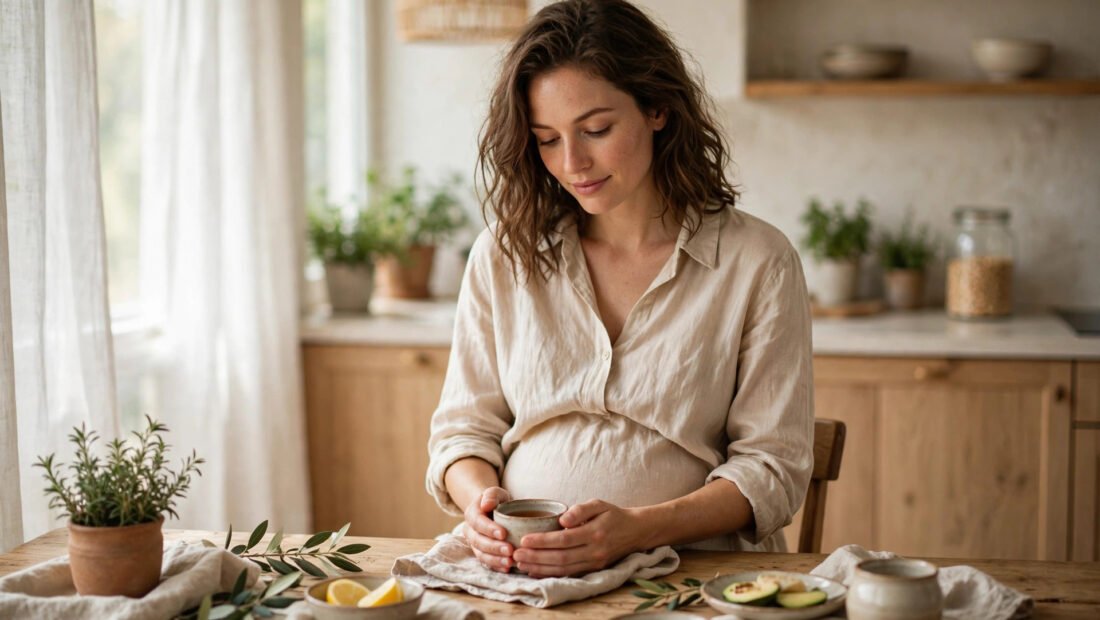
While pregnant, you can have up to 200mg of caffeine per day — roughly two mugs of instant coffee or two to three mugs of tea. This is the limit set by UK guidance, because high caffeine intakes are linked to low birth weight and a higher risk of miscarriage. Caffeine hides in tea, cola, chocolate, energy drinks and some medicines as well as coffee, so you need to count your total from all sources, not just your morning brew.
Why Caffeine Is Limited in Pregnancy
Caffeine crosses the placenta, and your unborn baby cannot metabolise it efficiently — it stays in their system far longer than in yours. High intakes have been associated with babies being born with low birth weight, and some studies link very high intakes to increased miscarriage risk. The evidence is not strong enough to demand total abstinence, which is why the guidance sets a daily cap rather than a ban. The NHS guidance on foods to avoid in pregnancy confirms the 200mg daily limit and lists the main caffeine sources to watch.
You may also like lifestyle and tech guides for further insights.
What Does 200mg of Caffeine Look Like?
Caffeine content varies enormously by drink type and serving size. Approximate UK values:
- Mug of instant coffee: ~100mg
- Mug of filter coffee: ~140mg
- Espresso (single shot): ~60–80mg; high-street lattes often contain a double shot (~120–150mg)
- Mug of tea (black): ~75mg
- Mug of green tea: ~40mg
- Can of cola (330ml): ~40mg
- Energy drink (250ml): ~80mg
- 50g bar of plain chocolate: ~25–50mg; milk chocolate roughly half that
- Hot chocolate: ~5–10mg per mug
So two mugs of instant coffee hits the limit on its own — add a cola and a chocolate bar and you are over. High-street coffee shop servings are the biggest trap: a large filter coffee or double-shot latte can contain most of your daily allowance in one cup.
Practical Ways to Stay Within the Limit
- Count everything: include tea, cola, chocolate, energy drinks and caffeine-containing medicines or “cold and flu” remedies.
- Switch your default: one regular coffee plus decaf for the rest of the day keeps the ritual without the risk — decaf still contains a few mg, but negligible amounts.
- Downsize: order a small rather than a large at coffee shops, or ask for a single shot.
- Weaken home brews: use less coffee granules or a shorter brew time.
- Watch the label: some soft drinks, pre-workout powders and headache tablets contain surprising caffeine — check before assuming.
- Go herbal in the evening: most fruit and herbal teas are caffeine-free, but check blends — some contain green tea or guarana.
Good Caffeine-Free Alternatives
Plenty of satisfying swaps exist: decaffeinated coffee and tea taste close to the real thing; hot chocolate is very low in caffeine; malted drinks, fruit infusions and sparkling water with lemon all scratch the itch. If you relied on coffee for energy, remember that pregnancy fatigue is largely hormonal and structural — short rests, good hydration, gentle walks and iron-rich foods (if your levels are low) address the cause better than stimulants. Cut down gradually rather than abruptly if you are a heavy coffee drinker, to avoid withdrawal headaches.
What About Breastfeeding?
The 200mg limit is often sensibly continued while breastfeeding, since caffeine passes into breast milk in small amounts. Most breastfed babies tolerate a moderate maternal intake fine, but newborns metabolise caffeine very slowly — if your baby seems unusually jittery, wakeful or fussy, try reducing your intake and see if it helps. Timing feeds before your coffee rather than after can reduce the amount the baby receives.
When to Talk to Your Midwife
Mention your caffeine intake at your booking appointment, especially if you regularly exceed 200mg daily or rely on energy drinks. Your midwife can help you plan a realistic reduction. Also raise it if you experience palpitations, severe anxiety or insomnia — pregnancy can heighten caffeine sensitivity, and some women find they need to cut back well below the limit to feel well. There is no need for guilt about past intake before you knew you were pregnant; the guidance is about ongoing daily habits.
Why Pregnancy Makes You More Sensitive to Caffeine
Many women notice that coffee affects them more strongly once pregnant — and there is a physiological reason. During pregnancy, the body metabolises caffeine up to three times more slowly, meaning a single cup stays in your bloodstream far longer and its stimulating effects are amplified and prolonged. This is why a coffee that once barely registered can now cause jitteriness, a racing heart or a sleepless night. Heightened sensitivity is also why some women naturally go off coffee in the first trimester; nausea and food aversions often do the limiting for you. If you feel wired, anxious or sleepless after amounts you previously tolerated, treat that as your personal signal to cut back further than the 200mg guideline — the limit is a ceiling, not a target.
What the Research Actually Shows
The 200mg guidance rests on observational studies rather than randomised trials (which would be unethical in pregnancy), so it is worth understanding what the evidence can and cannot say. The most consistent finding is a dose-response relationship between high caffeine intake and lower birth weight — the more caffeine, the stronger the association. Evidence on miscarriage is mixed: some studies find an association at high intakes, others find none after accounting for factors like nausea (women with healthy pregnancies often naturally drink less coffee because they feel sick, which can skew results). No credible evidence suggests moderate intake within the guideline harms development. The practical reading: the limit is precautionary rather than proof of danger at 201mg, but habitual high intake carries real, measured associations — which is exactly why the cap exists.
Caffeine While Trying to Conceive
If you are trying for a baby, it is sensible to start observing the 200mg limit before you conceive. Some studies have associated very high caffeine intakes with taking longer to conceive, though the evidence is weaker than for pregnancy itself. More practically, cutting down in advance means one less adjustment when the positive test arrives — and if you are taking folic acid and tracking ovulation, adding a caffeine audit is a small extra step. Partners are not off the hook entirely: very high caffeine intake in men has been weakly linked to sperm quality effects in some studies, so moderation all round is reasonable. Switch to decaf or half-caf as your default while trying, and the pregnancy limit will feel effortless.
Frequently Asked Questions
Can I drink coffee while pregnant?
Yes — up to 200mg of caffeine daily, which is about two mugs of instant coffee. You do not need to give it up entirely, just keep your total from all sources within the limit.
Is decaf coffee safe in pregnancy?
Yes. Decaffeinated coffee contains only trace amounts of caffeine (typically 2–5mg per mug), making it a safe choice at any stage of pregnancy.
Does tea count towards the caffeine limit?
Yes — a mug of black tea has around 75mg, so two to three mugs approach the daily limit on their own. Green tea, cola, chocolate and energy drinks all count too.
What happens if I have too much caffeine while pregnant?
An occasional day slightly over the limit is not a cause for panic — the concern is habitual high intake, which is linked to low birth weight and possibly higher miscarriage risk. Just return to the limit going forward.
Are energy drinks safe in pregnancy?
Energy drinks are best avoided. A single 250ml can contain ~80mg of caffeine plus high sugar and other stimulants like taurine and guarana, whose effects in pregnancy are poorly studied. They make it easy to overshoot the limit accidentally.
Conclusion
You can have up to 200mg of caffeine a day while pregnant — enough for a coffee or two if you count carefully. The key is totalling every source: coffee, tea, cola, chocolate, energy drinks and medicines. Simple swaps like decaf, smaller servings and herbal teas make the limit easy to live with. If in doubt about your intake, your midwife is the best person to ask — and an occasional slip is no reason for alarm.