Eight glasses a day. Two litres. Drink until your wee is pale. We have all heard the rules, usually from someone selling a water bottle. But how much water should I drink every day in the UK climate, where it rains sideways in July and the heating has been on since October?
The honest answer is less dramatic than the wellness industry wants you to believe. Your body is extremely good at managing water, and thirst is a better guide than most apps. Still, there are times when Britons genuinely under-drink, and the signs are easy to miss.
How Much Water Should i Drink Every Day in the UK Climate
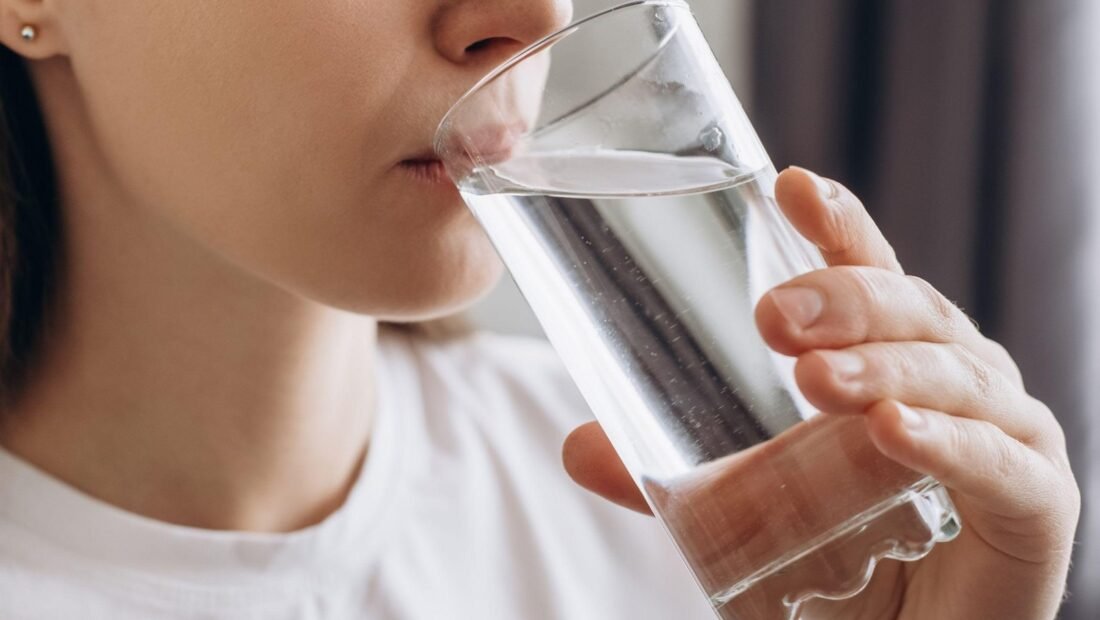
For most adults in the UK, around 1.5 to 2 litres of fluid a day from drinks is a sensible target, which matches the long-standing European guidance of about 2 litres for women and 2.5 litres for men from all sources including food. Roughly 20 to 30% of your water comes from food anyway, especially fruit, vegetables and soups. In our mild climate you rarely need the heroic intakes pushed by fitness influencers; drink regularly through the day, a bit more in hot weather or when exercising, and let pale-yellow urine be your gauge rather than a rigid number.
Related reading: How do i Know if i Have Irritable Bowel Syndrome
Why the eight-glasses rule is shaky
Nobody can find the original study behind eight glasses a day, because there probably is not one. It appears to be a misreading of old US guidance that counted all dietary water, including food, and then got simplified into a memorable slogan. Tea and coffee count toward your fluid intake, by the way, despite the persistent myth that they dehydrate you; the diuretic effect of caffeine is mild and more than offset by the water in the cup. Fizzy water counts. Milk counts. Even the much-maligned squash counts. What does not count quite so well is alcohol, which genuinely dehydrates, so match pints with water if you are having a session.
Signs you are not drinking enough
Dark yellow urine is the classic signal, along with headaches that creep in by mid-afternoon, tiredness you blame on poor sleep, and constipation. Older adults are the group to watch: the sense of thirst dulls with age, and dehydration is a common, under-recognised reason for confusion and falls in elderly people. If you care for an older relative, do not rely on them feeling thirsty; build drinks into the routine, with a glass by the chair and one with every meal. Kidney stone sufferers and anyone prone to urinary infections should also err on the side of drinking more, since dilute urine helps both.
Worth a read: How can i Boost my Energy Levels Naturally in the Afternoon
- Keep a glass or bottle where you can see it. Visibility beats willpower.
- Drink a glass of water with each meal and you are halfway to your target.
- Pale straw-coloured urine means you are hydrated; dark amber means drink more.
- Increase intake in heatwaves, during exercise, and with fever, vomiting or diarrhoea.
- You can overdo it. Constant excessive water drinking can dangerously dilute blood sodium.
The UK climate factor
Here is where our weather actually matters. Britain’s mild temperatures mean most of us lose far less water through sweat than people in hotter climates, which is why imported American hydration advice often overshoots for us. The exception is heatwaves, which are getting more frequent; during the 40-degree days of recent summers, older and vulnerable people genuinely needed to push fluids. Central heating is the sneakier dehydrator: months of dry indoor air in winter dry your skin and airways, and a glass of water by the bed helps more than expensive humidifiers for most people. Air conditioning on trains and in offices does the same in summer.
What about during exercise?
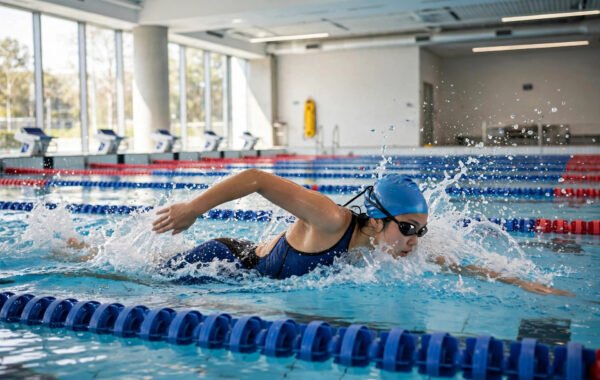
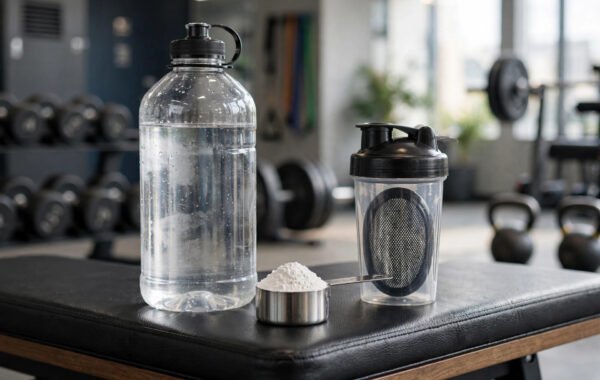
For a normal gym session or a 5k run, water before, during and after is plenty; you do not need sports drinks unless you are exercising hard for over an hour. Weigh the marketing sceptically: the sports drink industry invented much of the fear around dehydration in recreational athletes. Marathon runners should actually be more careful about drinking too much than too little, because over-drinking during long races causes hyponatraemia, which has killed runners. Drink to thirst, take the water stations, and skip the complicated hydration strategies unless you are training seriously.
Drinks that help and drinks that hinder If plain water bores you, a slice of lemon or cucumber in a jug in the fridge makes it far more inviting without adding anything your dentist would object to.
Not all fluids are equal, even if they all technically count. Water remains the simplest choice: free, calorie-free and always available from the tap, with UK tap water among the safest in the world. Herbal teas are a good alternative if you find plain water boring, though check the label on anything marketed as a detox blend. Sugary drinks hydrate but load you with calories and rot teeth, so they are a poor daily habit. Energy drinks combine sugar or sweeteners with high caffeine, which is fine occasionally but grim as a hydration strategy. And alcohol is the one drink that actively works against hydration, so enjoy it for what it is but do not count pints toward your daily fluid target.
For the official medical position, the NHS conditions A to Z is the most trustworthy place to start.
See also: What Should i do if Someone Collapses in Front of Me
The bottom line
In the UK climate, most adults do fine on 1.5 to 2 litres of drinks a day, with food covering the rest. Tea and coffee count, thirst is a reliable guide for healthy adults, and pale urine is the simplest check. Drink more in heat, illness and hard exercise, keep an eye on older relatives who may not feel thirsty, and ignore anyone telling you that hydration requires a £40 bottle and an app. The NHS Live Well hub has practical, evidence-based tips on diet, exercise and everyday health.