If you are researching how to treat fatty liver, start with this: the best treatment is sustained lifestyle change: lose 7–10% of your body weight, switch to a Mediterranean-style diet, exercise for at least 150 minutes a week, and cut out alcohol completely. There is currently no licensed medicine in the UK specifically for non-alcoholic fatty liver disease (NAFLD), so weight loss and healthy habits are the proven treatment. Liver fat often begins to fall within weeks of starting, and early-stage liver damage can stabilise — or even reverse — when the condition is caught in time. If blood tests or a scan suggest fatty liver, the NHS advises seeing your GP, especially if you have type 2 diabetes, high blood pressure or raised cholesterol.
What Is Fatty Liver?
Fatty liver means excess fat has built up inside the cells of your liver. The most common form in the UK is non-alcoholic fatty liver disease (NAFLD) — recently renamed metabolic dysfunction-associated steatotic liver disease (MASLD) — which is closely linked to being overweight, type 2 diabetes and high cholesterol rather than alcohol. An estimated one in three adults in Britain has some degree of fatty liver, and most will never know it because the early stages cause no symptoms.
The condition progresses through stages: simple fat build-up (steatosis), then inflammation (steatohepatitis), then scarring (fibrosis), and finally cirrhosis — permanent, severe scarring that raises the risk of liver failure and liver cancer. The crucial point is that the first three stages are reversible with the right treatment. That is why acting early matters so much.
How Fatty Liver Is Diagnosed
Fatty liver is usually spotted by chance — raised liver enzymes (ALT or GGT) on a routine blood test, or a bright-looking liver on an ultrasound ordered for another reason. If your GP suspects it, you may be offered a FibroScan, a painless scan that measures liver stiffness and estimates how much fat and scarring is present. You might also be referred to a hospital liver clinic if results suggest advanced fibrosis.
NHS guidance recommends that adults with type 2 diabetes or metabolic syndrome have their liver assessed, since around half of them have fatty liver without realising it. There is no need to pay for private “liver detox” scans from wellness clinics — your GP can arrange proper, evidence-based testing free of charge.
How to Treat Fatty Liver: A Step-by-Step Plan
The treatment of fatty liver is not complicated, but it does require consistency. Work through these steps in order — each one amplifies the others.
Step 1: Lose Weight Gradually
Weight loss is the single most effective treatment for fatty liver. Losing 7–10% of your body weight resolves liver inflammation in most people, and losing 10% or more can start to reverse early scarring. For someone weighing 100 kg, that means a target of 7–10 kg. Aim for a steady loss of 0.5–1 kg per week through a calorie deficit of around 500–600 kcal per day — crash diets can actually worsen liver inflammation, so slow and steady wins. Your GP can refer you to the NHS Weight Management Programme or a local tier-2 weight management service for free structured support.
Step 2: Adopt a Mediterranean-Style Diet
Of all eating patterns studied, the Mediterranean diet has the strongest evidence for treating fatty liver — even without weight loss, it reduces liver fat. Build your meals around:
- Vegetables, fruit, legumes and whole grains — high in fibre, which improves insulin sensitivity.
- Olive oil as your main fat — rich in monounsaturated fats that are gentler on the liver than butter or palm oil.
- Oily fish such as salmon, sardines and mackerel twice a week for omega-3s.
- Nuts, seeds and pulses for plant protein and healthy fats.
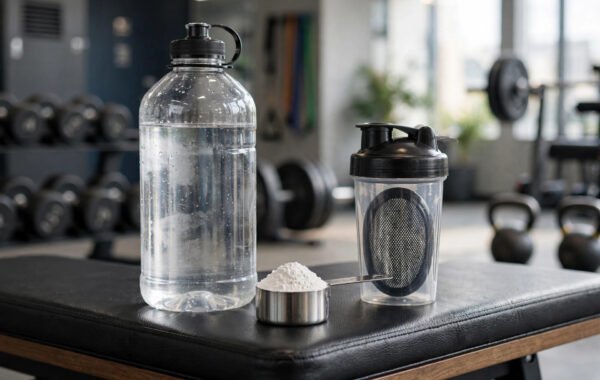
At the same time, cut back sharply on added sugars (especially sugary drinks and fruit juice), refined carbohydrates like white bread and pastries, processed meats, and fried takeaways. Fructose from sugary drinks is converted directly into liver fat, so swapping fizzy drinks for water or sparkling water is one of the highest-impact single changes you can make.
Step 3: Exercise at Least 150 Minutes a Week
Exercise reduces liver fat even if the number on the scales barely moves, because it improves how your muscles handle glucose and takes the load off the liver. The NHS recommends at least 150 minutes of moderate-intensity activity per week — brisk walking, cycling, swimming — plus strength exercises on two days. If you are starting from scratch, begin with 20-minute walks and build up; the best exercise is the one you will actually keep doing. Combining aerobic exercise with resistance training (bodyweight exercises, resistance bands, light weights) appears to give the biggest liver benefit.
Step 4: Cut Out Alcohol Completely
Even modest drinking adds to liver fat and inflammation when you already have fatty liver, so doctors advise complete abstinence while you are reversing the condition. Alcohol also sabotages weight loss — a pint of lager contains around 200 calories. If you find cutting down difficult, your GP can refer you to free local alcohol support services, and organisations like Alcoholics Anonymous UK list meetings nationwide. Be honest with your doctor about how much you drink; they have heard it all before.
Step 5: Manage Diabetes, Cholesterol and Blood Pressure
Fatty liver rarely travels alone. Keeping your HbA1c, cholesterol and blood pressure in target ranges with medication and lifestyle measures protects your liver indirectly and cuts your cardiovascular risk — which, statistically, is actually the biggest danger for people with fatty liver. Take prescribed statins, metformin or blood pressure tablets as directed; stopping them will not help your liver and may harm your heart.
Step 6: Be Cautious With Medicines and Supplements
Some medicines, including certain steroids, tamoxifen and highly active antiretroviral drugs, can worsen liver fat — ask your pharmacist for a medication review rather than stopping anything yourself. As for supplements, ignore marketing claims about “liver detox” pills and milk thistle: the evidence is weak, some products have caused liver injury themselves, and the UK’s MHRA has issued warnings about unregulated herbal remedies. Vitamin E and pioglitazone have shown benefit in selected patients in clinical trials, but they are prescription decisions for a liver specialist, not something to start on your own.
Step 7: Consider Coffee — With Limits
Observational studies consistently link moderate coffee drinking (two to three cups a day) with less liver fat and slower fibrosis progression. It is not a treatment on its own, but if you already enjoy coffee, there is no reason to stop — just keep it black or with a little milk and skip the sugary syrups.
How Long Does It Take to Reverse Fatty Liver?
Liver fat can fall measurably within four to six weeks of meaningful weight loss, which is encouraging. Inflammation typically settles over three to six months, and early fibrosis may improve over one to two years of sustained healthy habits. Advanced cirrhosis, however, is permanent — which is why the NHS pushes for early detection through routine blood tests in at-risk patients. Ask your GP about a repeat FibroScan or blood panel after six to twelve months to track your progress objectively.
Warning Signs: When to Seek Medical Help
Early fatty liver causes no symptoms, so do not wait to “feel” something before acting. See your GP promptly if you develop persistent fatigue, pain or a dull ache in the upper right abdomen, unexplained weight loss, or yellowing of the skin or eyes (jaundice). Swelling of the abdomen or legs, confusion, or vomiting blood are signs of advanced liver disease — call 111 or go to A&E. You can read the NHS overview of the condition at nhs.uk on non-alcoholic fatty liver disease, and the British Liver Trust offers a free nurse-led helpline for ongoing support.
How to Treat Fatty Liver if You Have Type 2 Diabetes
Diabetes and fatty liver are tightly linked — each makes the other worse — so if you have both, coordinate your treatment. Prioritise getting your HbA1c into target range, as better blood sugar control directly reduces liver fat. Some diabetes medications, particularly GLP-1 receptor agonists (such as semaglutide), produce significant weight loss that benefits the liver as a side effect; ask your diabetes team whether your current regimen is liver-friendly. You will need closer monitoring with twice-yearly liver blood tests, and your GP may refer you to a joint diabetes-liver clinic, which several NHS trusts now run.
Frequently Asked Questions
Can fatty liver be cured completely?
In its early stages — simple steatosis and mild inflammation — yes, it is fully reversible with weight loss and lifestyle change. Once cirrhosis has developed, the scarring is permanent, but progression can still be slowed and complications managed.
What foods should I avoid with fatty liver?
Avoid sugary drinks, sweets, pastries, white bread, fried foods, processed meats and alcohol. These drive liver fat accumulation directly. Focus instead on vegetables, whole grains, legumes, oily fish, nuts and olive oil.
Is fatty liver painful?
Usually not in the early stages — most people have no symptoms at all. Some notice a dull ache or fullness in the upper right side of the abdomen as the liver enlarges, but pain is not a reliable indicator of severity.
Can thin people get fatty liver?
Yes. Around 10–20% of people with fatty liver are a healthy weight (“lean NAFLD”), often linked to genetics, insulin resistance or a diet high in sugar despite normal weight. The same lifestyle treatment applies.
Do I need a liver biopsy?
Rarely. Non-invasive tests — blood-based fibrosis scores and FibroScan — diagnose and stage fatty liver accurately in most cases. Biopsies are reserved for unclear or complicated cases, decided by a hospital liver specialist.
Conclusion
Knowing how to treat fatty liver is one of the clearest wins in medicine: no expensive drugs, no surgery — just steady weight loss, a Mediterranean-style diet, regular exercise and zero alcohol. Start with the step that feels easiest, build momentum, and get your GP to track your progress with repeat blood tests. Your liver is remarkably forgiving if you give it the chance.