You need an eye test. The high street optician offers one free on the NHS, or a more thorough-sounding private one for £25. What is the actual difference, and is the paid version worth it?
Eye tests are one of those areas where the NHS and private offerings overlap confusingly. Here is what is the difference between NHS and private eye tests, who gets what free, and when paying extra makes sense.
What is the Difference Between NHS and Private Eye Tests
An NHS sight test and a standard private sight test are essentially the same examination: the optician must meet the same professional standards either way. The difference is eligibility and funding: NHS tests are free for under-16s, under-19s in full-time education, over-60s, people with certain medical conditions like diabetes or glaucoma, those at risk of eye disease, and people on certain benefits. Everyone else pays privately, typically £20 to £30 on the high street. Some opticians offer enhanced private examinations with extra scans like OCT for £10 to £40 more, which can detect eye disease earlier but are not part of the standard NHS test.
Related reading: How Long does it Take to Get a GP Appointment in the UK Right Now
Who gets a free NHS sight test
The eligibility list is broader than many realise. All children under 16 qualify, as do 16 to 18-year-olds in full-time education. Everyone aged 60 and over gets free tests. People diagnosed with diabetes or glaucoma qualify, as do those aged 40 and over with a close relative with glaucoma. Prisoners on leave, people registered blind or partially sighted, and those receiving certain benefits including Income Support, income-based Jobseeker’s Allowance, and Pension Credit also qualify, along with holders of an HC2 certificate. If none of these apply, you pay privately, but at £20 to £30 it is hardly a barrier, and many employers contribute through eye-care schemes, especially for screen users.
What the standard test covers
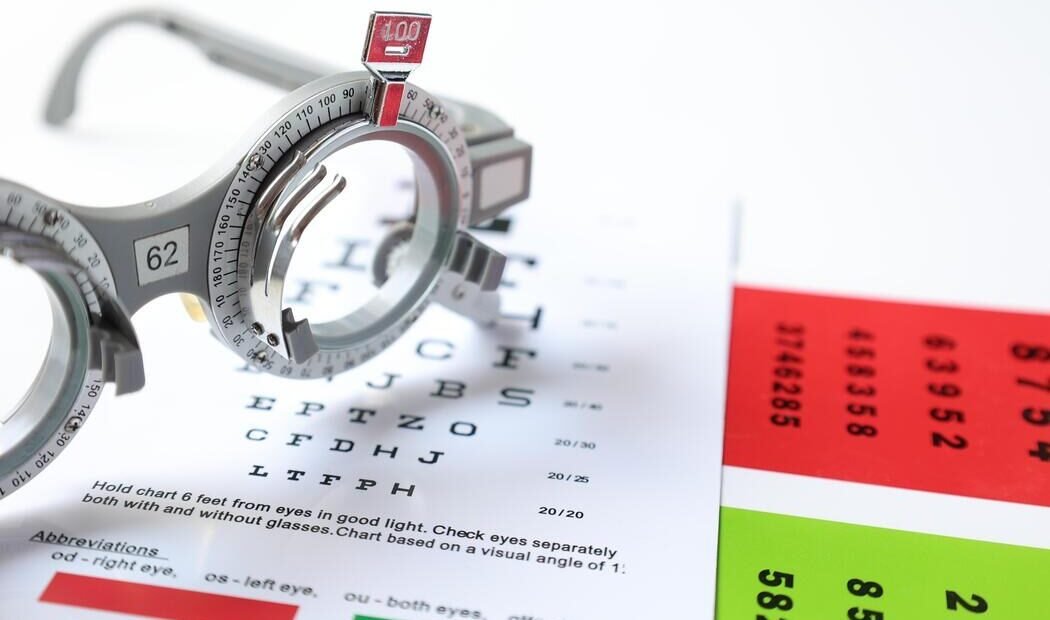
Whether NHS or private, the core examination follows the same professional standards set by the General Optical Council. It includes your history and symptoms, measurement of your vision with and without correction, refraction to determine your exact prescription, eye movement and coordination checks, examination of the front of the eye, measurement of eye pressure (relevant for glaucoma), and examination of the retina and optic nerve at the back of the eye. The optician must also assess your eye health generally and refer you to a GP or hospital eye service if anything concerning appears. A standard test takes around 20 to 30 minutes. The idea that a free test is a cut-down version is a myth; the clinical content is regulated identically.
- Under-16s, over-60s, and people with diabetes or glaucoma get free NHS tests.
- Book every 2 years, or as your optician advises; annually if higher risk.
- Bring your current glasses and a list of medications to every test.
- Mention family history of glaucoma, macular degeneration or diabetes.
- Report new flashes, floaters, or vision changes promptly; do not wait for a routine test.
Worth a read: How can i Lower my Blood Pressure without Medication
Enhanced scans: OCT and retinal photography
This is where paid extras enter. Optical coherence tomography (OCT) scans the layers of the retina in 3D and can detect glaucoma, macular degeneration and diabetic changes years before symptoms; it typically costs £10 to £25 as an add-on. Digital retinal photography keeps an image on file for comparison over time. These are genuinely useful technologies, particularly if you are over 40, diabetic, very short-sighted, or have a family history of eye disease. But they are screening enhancements, not necessities for everyone; a good standard examination catches most problems. If you pay for extras, make sure you understand what was found: ask the optician to show you the images and explain them, because an unexplained scan is just an expensive photo.
Glasses, vouchers and the hard sell
After the test comes the frames, and this is where costs diverge from clinical care. NHS optical vouchers help with glasses costs for children, over-60s on benefits, and other eligible groups, covering basic frames and lenses in full. Everyone else pays, and high street prices range from budget £25 complete pairs to designer hundreds. You are entitled to your prescription and can take it anywhere, including online retailers, though complex prescriptions are better dispensed face to face. Be politely sceptical of upsells: lens thinning, coatings and premium varifocals suit some people, but a straightforward prescription in a standard frame serves most perfectly well. And never feel pressured to decide on the day; take the prescription home and think.
How often to go, and red flags between tests
Every two years is the standard advice for most adults, annually if you are diabetic, have glaucoma in the family, or your optician says so. But do not wait for the routine date if something changes: sudden flashes of light with new floaters, a shadow or curtain across vision, sudden vision loss in one eye, or severe eye pain all need same-day assessment, via A&E, your GP or an emergency optician appointment. Gradual changes like needing brighter light to read, colours looking washed out, or straight lines appearing wavy deserve a prompt but non-emergency booking. Your eyes cannot tell you their pressure is rising or your retina is thinning; only examinations can. Regular testing is how silent diseases get caught in time.
If you need a GP appointment, the NHS GP services guide explains how the system works.
See also: What are the Early Signs of Type 2 Diabetes i Should Watch for
The bottom line
NHS and standard private eye tests are clinically identical; the difference is who pays and some optional extra scans. If you are eligible, the NHS test is free and comprehensive. Consider paying for OCT if you have risk factors, take your prescription home before buying glasses, and never wait for a routine test if vision changes suddenly. For the official medical position, the NHS conditions A to Z is the most trustworthy place to start.