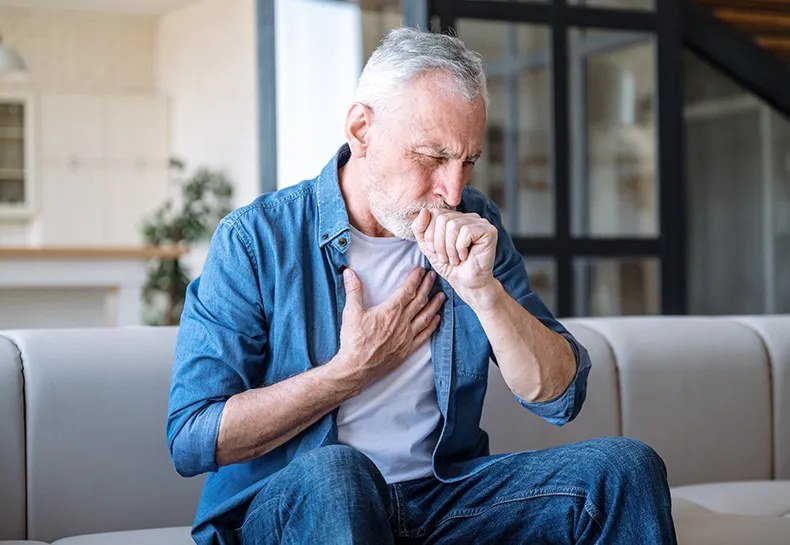
It starts as a cold that will not shift, then the cough deepens, your chest feels tight, and climbing the stairs leaves you breathless. A chest infection, whether bronchitis or pneumonia, takes it out of you in a way that surprises people. You expect a week; your body has other plans.
So how long does it take to recover from a chest infection? The honest answer is longer than most people allow, and rushing back too soon is the classic mistake. Here is the realistic timeline and how to support your recovery.
How Long does it Take to Recover from a Chest Infection
Acute bronchitis, the common viral kind, typically improves within 2 to 3 weeks, though the cough can linger for 3 to 4 weeks or more. Bacterial chest infections treated with antibiotics usually start improving within 48 to 72 hours of starting treatment. Pneumonia is more serious: expect 1 to 2 weeks for the worst to pass and 6 to 12 weeks to feel fully yourself, with fatigue and breathlessness lingering longest. Seek medical advice if you are not improving after a few days, if breathing becomes difficult, if you cough blood, or if you have a high fever that will not settle. Older adults and people with lung conditions should have a lower threshold for seeking help.
Related reading: What are the Side Effects of Statins and are They Worth Taking
Bronchitis versus pneumonia: different beasts
Acute bronchitis is inflammation of the airways, usually viral, and antibiotics do not help, which is why GPs often decline to prescribe them despite pressure. The cough is the headline symptom and it hangs around: airways stay twitchy for weeks after the infection clears, producing the infamous 100-day cough in some. Pneumonia is infection of the lung tissue itself, more serious, and often bacterial, which is why antibiotics are the treatment. Signs pointing toward pneumonia include high fever, rapid breathing, sharp chest pain when breathing in, and feeling significantly more unwell than a bad cold would explain. Your GP distinguishes them by listening to your chest, checking oxygen levels and sometimes ordering a chest X-ray. When in doubt, get assessed; pneumonia in older adults can deteriorate quickly.
The recovery timeline, honestly
Week one is the worst: fever, fatigue, chest discomfort and a cough that makes sleep difficult. By week two most people with bronchitis turn a corner, though the cough persists. Weeks three to four bring gradual improvement, with energy returning in fits and starts; good days followed by tired days are normal, not relapse. The lingering cough can continue to week six or eight as airways calm down. Pneumonia runs longer: the acute illness lasts one to two weeks, but fatigue, breathlessness on exertion and a general sense of fragility commonly persist for six to twelve weeks. Older adults recover slowest, and full lung function can take months. Plan for this; the commonest error is expecting to bounce back like it was a cold.
- Rest properly in week one; pushing through prolongs recovery.
- Drink plenty of fluids; they thin mucus and ease coughing.
- Do not smoke, and avoid smoky or dusty environments while recovering.
- Take paracetamol for fever and aches; honey and warm drinks soothe coughs.
- Seek help for worsening breathlessness, chest pain, or coughing blood.
Worth a read: How Much Water Should i Drink Every Day in the UK Climate
Do antibiotics help, and should you ask for them?
For viral bronchitis, no, and taking them anyway contributes to antibiotic resistance while risking side effects like diarrhoea and thrush. GPs follow guidance to withhold antibiotics for uncomplicated bronchitis, and they are right to, even when patients push. Antibiotics are appropriate for suspected bacterial infections and for pneumonia, where prompt treatment matters. If prescribed, finish the course as directed and expect improvement within two to three days; if you are not improving, contact the GP rather than waiting it out. Delayed prescriptions, where the GP gives you antibiotics to use only if you worsen after a few days, are a sensible middle ground. Trust the clinical judgement over the instinct that antibiotics fix everything.
Supporting your recovery at home
Rest is treatment, not laziness, especially in the first week; your immune system does its best work when you are not spending energy elsewhere. Fluids thin the mucus that clogs your airways, so drink more than usual, with warm drinks and honey particularly soothing for coughs. Keep the air moist if your home is dry; a bowl of water near the radiator is the low-tech humidifier. Sleep propped up if lying flat triggers coughing fits. Avoid smoke, vapes, dust and strong fumes while airways are inflamed. Gentle walking as you improve helps clear the chest and rebuild stamina, but build gradually: a short flat walk that leaves you pleasantly tired is right; breathlessness that takes an hour to settle means you overdid it.
When recovery stalls: complications to watch for
Most chest infections resolve, but watch for the turn for the worse. Contact your GP if fever returns after improving, if breathlessness worsens rather than eases, if you develop sharp chest pain, or if the cough produces blood or rust-coloured phlegm. People with asthma or COPD should follow their action plans and seek help earlier, as chest infections commonly trigger flare-ups. Those with weakened immunity, including from chemotherapy or high-dose steroids, need prompt assessment for any chest infection. And if fatigue and breathlessness persist months after pneumonia, ask about follow-up; some people benefit from pulmonary rehabilitation or further investigation. Recovery is usually just slow, but stalled recovery deserves a second look.
For the official medical position, the NHS conditions A to Z is the most trustworthy place to start.
See also: How do i Treat a Sprained Ankle at Home Properly
The bottom line
Bronchitis typically takes two to three weeks with a lingering cough; pneumonia needs six to twelve weeks for full recovery. Rest, fluids and patience are the treatment for viral infections, antibiotics for bacterial ones. Do not rush back, watch for worsening symptoms, and let your body set the timeline rather than your diary. The NHS Live Well hub has practical, evidence-based tips on diet, exercise and everyday health.