The most reliable ways to make money in Gloucester are skilled trade work (the city’s construction and engineering sectors pay £15–£25 an hour), gig-economy delivery, leveraging the tourism around the Cathedral and historic Docks, and freelancing or selling online. Gloucester’s lower cost of living means a side income of £400–£1,000 a month goes further here than in most UK cities.
How to Make Money in Gloucester: Where the Opportunity Is
How to make money in Gloucester starts with understanding the local economy. This is a working city, not a tourist trap with seasonal gimmicks: major employers include engineering firms, the NHS (Gloucestershire Royal Hospital), insurance and financial services, and a busy construction sector fuelled by ongoing regeneration. That means steady, year-round demand for trades, temps, and services rather than boom-and-bust seasonal work.
If you have a trade — plumbing, electrics, carpentry, plastering — you’re in the strongest position. Gloucester’s housing stock is old, the rental market is active, and skilled tradespeople charge £200–£300 a day with waiting lists. Even as a labourer or improver, £12–£16 an hour is standard on local sites. Check gov.uk’s Find a Job service alongside local agencies for openings.
Quick-Start Income: Gig Work and Temp Shifts
For money this week, the usual suspects all operate in Gloucester. Deliveroo and Just Eat cover the city centre, the Quays, and the suburbs — riders earn £10–£14 an hour at peak times, with Friday and Saturday nights the busiest. Uber operates here too, and the relatively compact city means short trips and quick turnarounds.
Temp and warehouse work is plentiful around the city’s industrial estates and the nearby M5 corridor distribution hubs. Agencies regularly recruit for picking, packing, and production roles at £11.50–£13.50 an hour, often with overtime. Hospitality temping spikes around race weeks at nearby Cheltenham and during the Cathedral’s concert season. Signing up with two or three agencies rather than one keeps your diary full — quiet weeks at one are often covered by demand at another.
Tourism, Heritage, and the Cathedral Economy
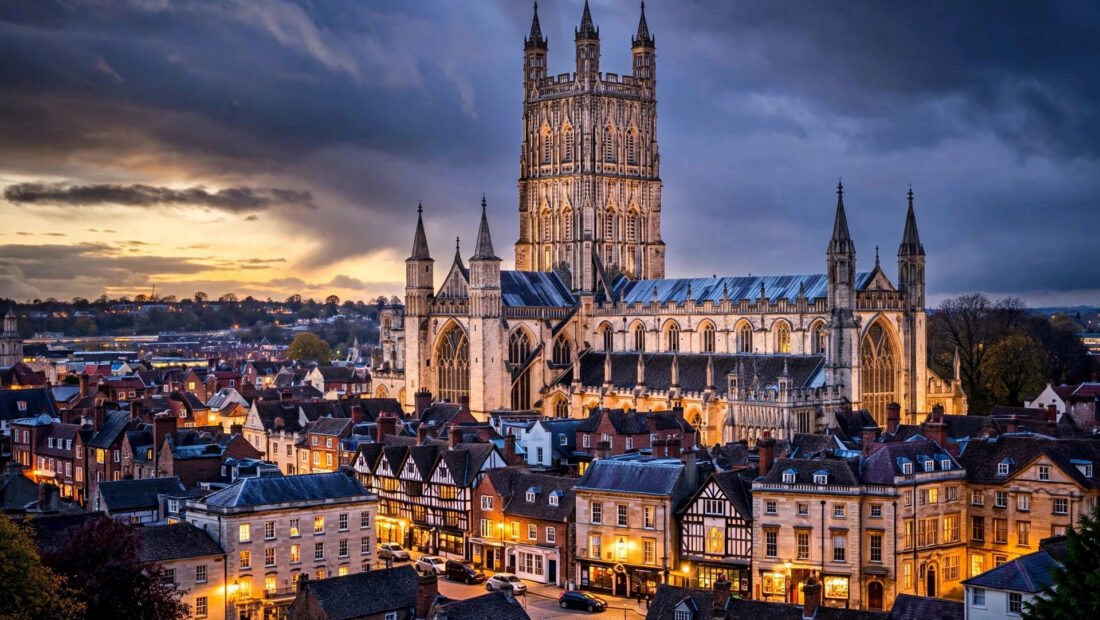
Gloucester punches above its weight on tourism: the Cathedral (a Harry Potter filming location), the historic Docks with its Victorian warehouses, and the Gloucester Quays outlet centre draw millions of visitors a year. That creates income niches:
- Walking tours and experiences. Cathedral tours, ghost walks, and Docks history walks — £10–£15 per head adds up fast in summer.
- Photography. Wedding and event photographers are in constant demand; the Cathedral and Docks are premium backdrops.
- Hospitality shifts. Hotels, restaurants, and bars around the Quays recruit heavily for summer and Christmas.
- Market trading. Gloucester’s markets and the Quays’ event calendar offer low-cost pitches for crafts, food, and vintage.
Freelance, Online, and Asset Income
Location matters less for online income, but Gloucester’s low overheads are an advantage — you need less revenue to make freelancing viable. Local demand exists for web design, social media management (independent shops on the Quays and in the city centre need help), and bookkeeping for the city’s many small firms.
Other proven earners:
- Tutoring — strong demand from grammar-school-aspirant families; £25–£40 an hour for 11+ and GCSE prep.
- Reselling — Gloucester’s charity shops and the famous car boot sales are excellent sourcing grounds for Vinted and eBay flips.
- Spare room rental — the Rent a Room Scheme allows £7,500 a year tax-free; demand is steady from hospital staff and contractors.
- Van and tool hire — in a trades-heavy city, renting out a van, pressure washer, or power tools on peer-to-peer platforms earns weekly income.
- Content and local media — Gloucester’s independent business scene needs photographers, videographers, and writers for websites and social channels; a decent portfolio wins recurring monthly retainers.
Getting Started: A Practical Plan
- Pick one fast earner and one builder. Gig work or temping for immediate cash; a trade skill, freelance service, or reselling habit for growth.
- Register with HMRC if self-employed. The gov.uk self-employment guide covers registration, tax, and expenses — it’s free and takes minutes.
- Work the local calendar. Cheltenham race weeks, Cathedral events, summer tourism, and Christmas at the Quays are the peak earning windows.
- Network locally. Gloucester runs on relationships — join local business Facebook groups and attend networking events; referrals come quickly.
- Keep records from day one. A simple income/expense spreadsheet makes Self Assessment straightforward.
Frequently Asked Questions
What is the best-paid side work in Gloucester?
Skilled trades lead by a distance — plumbers, electricians, and carpenters earn £200–£300 a day. Without a trade, tutoring (£25–£40/hour) and HGV-adjacent logistics work pay best.
How quickly can I start earning in Gloucester?
Gig delivery and temp agency work can have you earning within a week. Freelancing and reselling typically take 3–6 weeks to generate meaningful income as you build clients and stock.
Is Gloucester good for freelancers?
Yes, particularly because living costs are low — you need less monthly revenue to go full-time than in Bristol or London, and there’s steady local demand from independent businesses for digital and creative services.
Do I need to register as self-employed for a side hustle?
If your self-employed income exceeds £1,000 in a tax year, you must register with HMRC and file a Self Assessment return. Registration is free and done online.
Conclusion
Making money in Gloucester is about playing to the city’s strengths: its trades and construction demand, NHS and logistics employers, heritage tourism, and low cost base. Combine a quick earner with something that compounds, keep proper records, and a meaningful second income is well within reach.